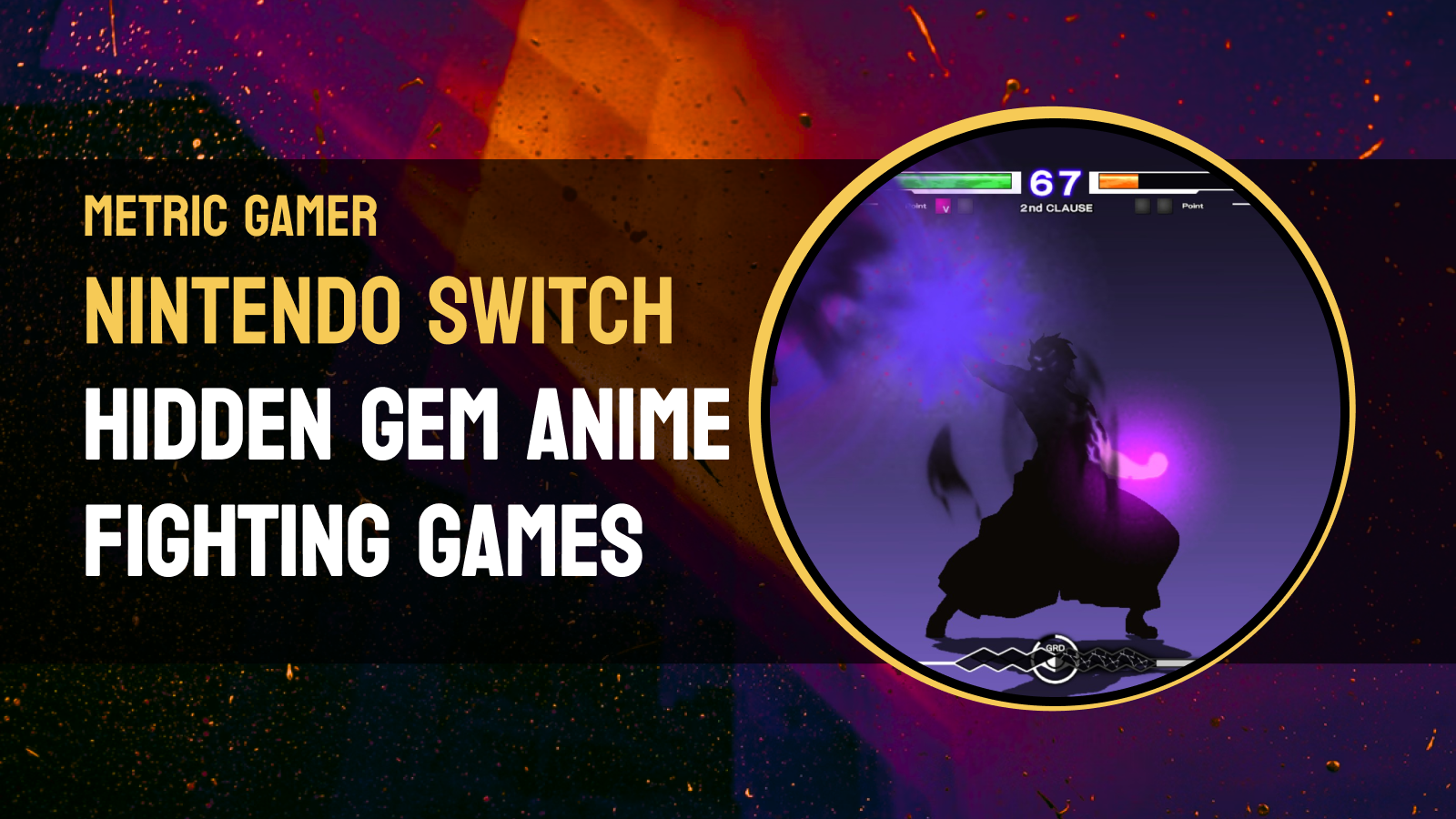
Best Anime Fighting Games for the Nintendo Switch that are Hidden Gems in 2024

What are the best Nintendo Switch fighting games ranked in 2024?

Check out our previous blog on anime fighting games here!

The Nintendo Switch has become a haven for fighting game enthusiasts, offering a perfect blend of portability and power. While many popular franchises dominate the spotlight, there are several hidden gems in the anime fighting game genre that deserve attention. In this comprehensive guide, we’ll explore five exceptional anime fighting games that shine on the Switch, assessing them based on key elements that define the genre. Expect ratings based on variety of game modes, skill ceiling, combat mechanics, and story depth!

Story Skill Ceiling Diversity of Game Modes
Combat

Under Night In-Birth Exe:Late[cl-r] /rating:4.25

Ratings (Out of 5)

  • Story: Good 3 /icon:star/rating:3
  • Skill Ceiling: Outstanding 5 /icon:star/rating:5
  • Diversity of Game Modes: Great 4/icon:star/rating:4
  • Combat: Outstanding 5 /icon:star/rating:5
  • Players: 2 /icon:gamepad/rating:2
  • Cross-Platform Play: No

Available On:

  • Nintendo Switch
  • PlayStation 4
  • PC

Game Features

  • Extensive Tutorial System
  • Unique GRD (Grind Grid) Mechanic
  • Chronicle Mode for Story
  • Various Arcade and Versus Modes

Under Night In-Birth Exe:Late[cl-r] brings a deep and technical fighting game experience to the Nintendo Switch, offering a hidden gem for those seeking a challenge.

Variety of Game Modes

Under Night In-Birth Exe:Late[cl-r] offers a robust selection of game modes that cater to both single-player and competitive play. The arcade mode provides a traditional fighting game experience, while the versus mode allows for local multiplayer battles. The inclusion of time attack and score attack modes adds replayability for those seeking to improve their skills. The standout feature is the extensive tutorial system, which goes beyond basic move lists to teach advanced fighting game concepts. This comprehensive approach to teaching game mechanics sets Under Night apart from many of its peers, making it an excellent choice for both newcomers and veterans of the genre.

Skill Ceiling

The skill ceiling in Under Night In-Birth Exe:Late[cl-r] is remarkably high, offering a deep well of techniques and strategies for players to master. The game’s unique GRD (Grind Grid) system adds a layer of resource management to fights, rewarding aggressive play and creating a constant ebb and flow to matches. Mastering the intricacies of the GRD system, along with character-specific combos and mixups, provides a satisfying long-term goal for dedicated players. The game’s balance between accessibility and depth ensures that while new players can enjoy the basics, there’s always room for improvement and optimization at higher levels of play.

Combat

The combat in Under Night In-Birth Exe:Late[cl-r] is fast-paced, fluid, and deeply satisfying. Each character in the diverse roster feels unique, with distinct playstyles that cater to various approaches to fighting games. The chain-based combo system allows for creative expression in offense, while the defensive options provide counterplay opportunities. The aforementioned GRD system adds a strategic layer to every interaction, making even footsies and neutral game engaging. The game’s smooth animations and responsive controls translate well to the Nintendo Switch, ensuring that the technical demands of high-level play are achievable on the portable console.

Story

While not the primary focus of the game, Under Night In-Birth Exe:Late[cl-r] offers a surprisingly deep narrative for those willing to delve into it. The Chronicle Mode presents an extensive visual novel-style story that explores the game’s world and characters. The plot, revolving around the supernatural phenomenon known as the Hollow Night, provides context for the diverse cast and their motivations. However, the story’s delivery through text-heavy scenes may not appeal to all players, and its complexity can be overwhelming for those not invested in the lore. Despite these potential drawbacks, the depth of the narrative adds value for players who enjoy rich backstories in their fighting games.

Under Night In-Birth Exe:Late[cl-r] stands out as a hidden gem in the Nintendo Switch’s fighting game library. Its combination of deep mechanics, excellent combat, and comprehensive tutorial system makes it a must-play for fighting game enthusiasts looking for a new challenge. While its story mode may be divisive, the core gameplay experience offers endless depth and replayability for those willing to invest the time to master its systems.


JoJo’s Bizarre Adventure: All Star Battle R /rating:3.75

Ratings (Out of 5)

  • Story: Good 3 /icon:star/rating:3
  • Skill Ceiling: Great 4 /icon:star/rating:4
  • Diversity of Game Modes: Great 4/icon:star/rating:4
  • Combat: Great 4 /icon:star/rating:4
  • Players: 2 /icon:gamepad/rating:2
  • Cross-Platform Play: No

Available on:

  • Nintendo Switch
  • PlayStation 4
  • PlayStation 5
  • Xbox One
  • Xbox Series X/S
  • PC

Game Features

  • Large Roster
  • Unique Stand System
  • Story Mode
  • Battle Mode
  • Practice Mode
  • Arcade Mode
  • Online Play
  • Faithful Adaptation

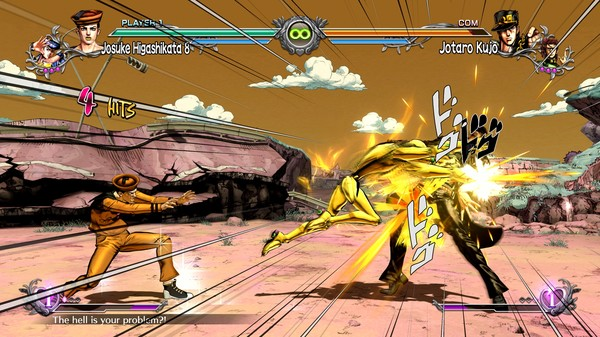
JoJo’s Bizarre Adventure: All Star Battle R brings the flamboyant and over-the-top action of the beloved anime and manga series to the Nintendo Switch, offering a fighting game experience that’s as bizarre as its source material.

Variety of Game Modes

JoJo’s Bizarre Adventure: All Star Battle R impresses with its diverse array of game modes. The All Star Battle Mode serves as the primary single-player experience, offering a series of what-if battles that span the entire JoJo timeline. Arcade Mode provides a more traditional fighting game experience, while Versus Mode allows for local multiplayer battles. The inclusion of a Practice Mode with detailed command lists helps players master the unique mechanics of each character. Online play rounds out the package, ensuring that players always have opponents to test their skills against. The variety of modes caters to both casual fans of the series and serious fighting game enthusiasts, providing ample content to explore on the Switch.

Skill Ceiling

The skill ceiling in JoJo’s Bizarre Adventure: All Star Battle R is notably high, thanks to the game’s unique Stand system and character-specific mechanics. Each character’s playstyle is deeply rooted in their abilities from the source material, leading to a diverse roster with widely varying approaches to combat. Mastering the intricacies of Stand activation, character-specific gimmicks, and optimal combo routes provides a satisfying challenge for dedicated players. The game’s balance between flashy, easy-to-execute special moves and more technical advanced techniques ensures that while new players can enjoy the spectacle, there’s always room for skill expression at higher levels of play.

Combat

The combat in JoJo’s Bizarre Adventure: All Star Battle R is a faithful representation of the series’ outlandish battles. The Stand system, where characters can summon manifestations of their fighting spirit, adds a unique dynamic to fights. Some characters can freely switch between Stand and non-Stand modes, effectively giving players two movesets to master. The inclusion of stage gimmicks and dramatic finishers adds to the spectacle, creating memorable moments that feel ripped straight from the manga panels. While the combat system may not be as technically deep as some traditional fighting games, it excels in capturing the essence of JoJo’s stylish and strategic battles.

Story

The story presentation in JoJo’s Bizarre Adventure: All Star Battle R is tailored more towards fans of the series than newcomers. The All Star Battle Mode offers a series of what-if scenarios that span across all parts of JoJo’s Bizarre Adventure, allowing fans to experience dream matchups and alternate takes on iconic moments. However, the lack of a traditional story mode with cutscenes or extensive dialogue may disappoint players looking for a more narrative-driven experience. The game assumes a certain level of familiarity with the source material, which can make the context for battles confusing for those new to JoJo. Despite these limitations, the sheer variety of character interactions and faithful recreation of the series’ iconic moments provide ample fanservice for JoJo enthusiasts.

JoJo’s Bizarre Adventure: All Star Battle R stands out as a love letter to fans of the series, offering a fighting game experience that’s dripping with style and fanservice. While it may not reach the technical depths of some fighting game staples, its unique mechanics and faithful adaptation of the source material make it a hidden gem for both JoJo fans and fighting game enthusiasts on the Nintendo Switch.


Demon Slayer: Kimetsu no Yaiba – The Hinokami Chronicles /rating:3.5

  • Story: Great 4 /icon:star/rating:4
  • Skill Ceiling: Good 3 /icon:star/rating:3
  • Diversity of Game Modes: Good 3 /icon:star/rating:3
  • Combat: Great 4 /icon:star/rating:4
  • Players: 2 /icon:gamepad/rating:2
  • Cross-Platform Play: No

Available On:

  • Nintendo Switch
  • PlayStation 4
  • PlayStation 5
  • Xbox One
  • Xbox Series X/S
  • PC

Game Features

  • Story Mode
  • Versus Mode
  • Practice Mode
  • Diverse Roster
  • Online Multiplayer Battles

Demon Slayer: Kimetsu no Yaiba – The Hinokami Chronicles brings the popular anime series to life on the Nintendo Switch, offering a visually stunning fighting game experience that captures the essence of the show’s breathtaking battles.

Variety of Game Modes

Demon Slayer: The Hinokami Chronicles offers a solid, if somewhat standard, selection of game modes. The Story Mode serves as the centerpiece, allowing players to relive key moments from the anime’s first season and the Mugen Train arc. This mode blends exploration and combat, providing a more varied experience than typical fighting game story modes. The Versus Mode allows for local and online multiplayer battles, while the Training Mode helps players master the intricacies of each character’s moveset. While these modes cover the essentials, the game lacks additional content that might extend its longevity, such as challenge towers or more extensive single-player content beyond the main story.

Skill Ceiling

The skill ceiling in Demon Slayer: The Hinokami Chronicles is moderate, offering room for mastery without overwhelming complexity. The combat system emphasizes accessibility, allowing players to perform impressive combos with relatively simple inputs. Advanced players can find depth in mastering perfect guards, switch cancels, and optimal combo routes for each character. The inclusion of assist characters adds a layer of strategy to team composition and combo extensions. However, compared to more technically demanding fighting games, the skill ceiling may feel limited for hardcore genre enthusiasts. This balance makes the game approachable for fans of the anime while still providing enough depth to reward dedicated practice.

Combat

The combat in Demon Slayer: The Hinokami Chronicles is a visual spectacle that faithfully recreates the anime’s dynamic sword battles. Each character’s moveset is deeply rooted in their techniques from the series, from Tanjiro’s Water Breathing to Zenitsu’s lightning-fast Thunder Breathing attacks. The game’s graphics engine does an excellent job of capturing the fluidity and impact of these moves, with special attacks that are particularly impressive on the Switch’s screen. The inclusion of a meter system that allows for powered-up states adds strategic depth to battles, forcing players to manage resources carefully. While the combat system may not be as complex as some traditional 2D fighters, it excels in creating cinematic and engaging battles that feel true to the source material.

Story

The Story Mode in Demon Slayer: The Hinokami Chronicles is one of its strongest features, offering a faithful retelling of the anime’s early arcs. Players can experience key moments from the series, from Tanjiro’s early training to the intense battles of the Mugen Train. The mode blends exploration segments, where players can interact with characters and environments, with combat encounters that recreate iconic fights. The inclusion of voiced cutscenes and faithfully recreated environments adds to the immersion, making it a treat for fans of the series. While the story may not offer much new for those familiar with the anime, it serves as an excellent interactive recap and a way for newcomers to experience the early parts of Demon Slayer’s narrative.

Demon Slayer: Kimetsu no Yaiba – The Hinokami Chronicles stands out as a visually impressive and faithful adaptation of the popular anime series. While it may not push the boundaries of the fighting game genre, its accessible combat system and strong story mode make it a hidden gem for fans of Demon Slayer and casual fighting game players on the Nintendo Switch.


Dengeki Bunko: Fighting Climax Ignition /rating:3.25

Ratings (Out of 5)

  • Story: Average 2 /icon:star/rating:2
  • Skill Ceiling: Great 4 /icon:star/rating:4
  • Diversity of Game Modes: Good 3 /icon:star/rating:3
  • Combat: Great 4 /icon:star/rating:4
  • Players: 2 /icon:gamepad/rating:2
  • Cross-Platform Play: No

Available On:

  • Nintendo Switch
  • PlayStation 3
  • PlayStation 4
  • PlayStation Vita

Game Features

  • Crossover Fighting Game
  • Characters from Various Dengeki Bunko Light Novels
  • Unique Support Character System
  • Arcade Mode
  • Versus Mode
  • Story Mode
  • Training Mode

Dengeki Bunko: Fighting Climax Ignition brings together a diverse cast of characters from popular light novels, offering a unique crossover fighting experience on the Nintendo Switch.

Variety of Game Modes

Dengeki Bunko: Fighting Climax Ignition offers a standard selection of game modes that cover the essentials of a fighting game. The Arcade Mode provides a traditional ladder-style experience, while the Story Mode offers character-specific narratives that, while brief, give context to the crossover battles. The Versus Mode allows for local multiplayer matches, essential for a fighting game on the Switch. The Training Mode is particularly noteworthy, offering detailed tutorials that break down the game’s mechanics, making it accessible to newcomers. While these modes provide a solid foundation, the game lacks additional content that might extend its longevity, such as challenge towers or more extensive single-player content beyond the main story and arcade modes.

Skill Ceiling

The skill ceiling in Dengeki Bunko: Fighting Climax Ignition is surprisingly high, offering depth that belies its crossover nature. The game’s unique mechanics, such as the Trump Card system and Support Character attacks, add layers of strategy to matches. Mastering the timing of these elements, along with character-specific combos and mixups, provides a satisfying long-term goal for dedicated players. The balance between accessibility and depth ensures that while new players can enjoy the flashy moves and recognizable characters, there’s always room for improvement and optimization at higher levels of play. This depth is particularly impressive given the game’s diverse roster of characters from different franchises.

Combat

The combat in Dengeki Bunko: Fighting Climax Ignition is fast-paced and visually striking, capturing the essence of each character’s abilities from their respective light novels. The game’s four-button system (weak, medium, strong, and support) provides a good balance between simplicity and depth. The inclusion of the Blast system, which allows for combo breakers and momentum shifts, adds a strategic layer to fights. The Support Character system is a standout feature, allowing players to call in assists that can extend combos or provide defensive options. While the combat system may not be as technically demanding as some traditional fighting games, it offers enough depth and flashy visuals to keep battles exciting and engaging on the Switch’s screen.

Story

The story in Dengeki Bunko: Fighting Climax Ignition is perhaps its weakest element. While the game offers character-specific story modes, the narratives are often brief and serve more as a vehicle for battles than a cohesive plot. The crossover nature of the game means that the story struggles to provide a meaningful context for why characters from different universes are fighting each other. For fans of the various light novels represented, there’s some enjoyment in seeing characters interact, but the storytelling lacks the depth or impact found in fighting games with more focused narratives. The story mode serves its purpose of providing some single-player content, but it’s unlikely to be the main draw for most players.

Dengeki Bunko: Fighting Climax Ignition stands as a unique entry in the Nintendo Switch’s fighting game library. Its crossover nature and accessible yet deep combat system make it a hidden gem for fans of the represented light novels and fighting game enthusiasts looking for something different. While its story mode may be lacking, the solid gameplay mechanics and diverse character roster offer plenty of enjoyment for those willing to dive into its systems.


My Hero One’s Justice 2 /rating:3

Ratings (Out of 5)

  • Story: Good 3 /icon:star/rating:3
  • Skill Ceiling: Good 3 /icon:star/rating:3
  • Diversity of Game Modes: Good 3 /icon:star/rating:3
  • Combat: Good 3 /icon:star/rating:3
  • Players: 2 /icon:gamepad/rating:2
  • Cross-Platform Play: No

Available On:

  • Nintendo Switch
  • PlayStation 4
  • Xbox One
  • PC

Game Features

  • Story Mode
  • Large Roster of Heroes and Villains
  • Customization
  • Online and Local Multiplayer Battles

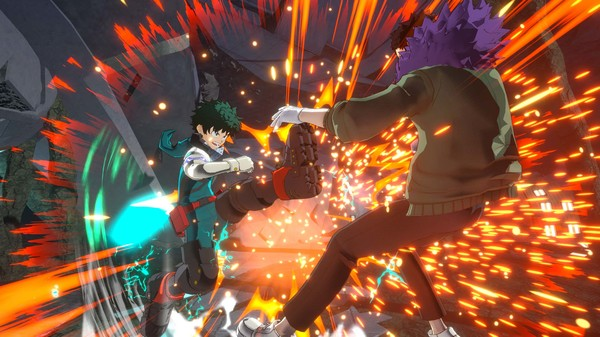
My Hero One’s Justice 2 brings the superhero action of My Hero Academia to the Nintendo Switch, offering an arena fighter that captures the quirky and explosive battles of the popular anime series.

Variety of Game Modes

My Hero One’s Justice 2 offers a standard but solid selection of game modes. The Story Mode allows players to experience key events from the anime’s narrative, covering arcs that follow the first game. The Mission Mode provides additional challenges and unlockables, adding some replay value for solo players. Versus Mode supports both local and online multiplayer, allowing fans to settle debates about their favorite heroes and villains. The Training Mode helps players master the intricacies of each character’s quirk-based moveset. While these modes cover the basics expected from a fighting game, the game doesn’t introduce many innovative features that set it apart from its peers or its predecessor.

Skill Ceiling

The skill ceiling in My Hero One’s Justice 2 is moderate, offering enough depth to reward dedicated players without alienating casual fans. The combat system emphasizes flashy moves and combos that are relatively easy to execute, making it accessible for newcomers to the fighting game genre. Advanced players can find depth in mastering perfect guards, dash cancels, and optimal quirk usage for each character. The inclusion of assist characters adds a layer of strategy to team composition and extends combo possibilities. However, compared to more technically demanding fighting games, the skill ceiling may feel limited for hardcore genre enthusiasts. This balance makes the game approachable for fans of the anime while still providing enough depth to keep players engaged.

Combat

The combat in My Hero One’s Justice 2 captures the essence of the quirk-based battles from My Hero Academia. Each character’s moveset is built around their unique superpower, from Deku’s Full Cowl techniques to Bakugo’s explosive attacks. The 3D arena format allows for dynamic encounters, with players able to use the environment to their advantage. The visual presentation of quirks is impressive, with special moves that feel impactful and true to the source material. The inclusion of a Plus Ultra meter adds a strategic element, allowing for powered-up states and spectacular finishers. While the combat system may lack the technical depth of traditional 2D fighters, it succeeds in delivering exciting and visually appealing battles that feel authentic to the My Hero Academia universe.

Story

The Story Mode in My Hero One’s Justice 2 provides a decent recap of key events from the anime, picking up where the first game left off. Players can experience significant battles and moments from the series, with the narrative unfolding through a combination of in-engine cutscenes and still images with voice-over. The ability to play through story events from both the hero and villain perspectives adds some variety and replayability. However, the storytelling can feel disjointed at times, with the game assuming a level of familiarity with the source material. While it serves as a good interactive companion to the anime, it may not offer much new for die-hard fans who are already familiar with the plot.

My Hero One’s Justice 2 stands as a solid entry in the arena fighter genre on the Nintendo Switch, particularly for fans of My Hero Academia. While it may not revolutionize the fighting game formula, its faithful representation of the series’ quirk-based combat and diverse character roster make it an enjoyable experience for those looking to step into the shoes of their favorite heroes and villains.


In conclusion, the Nintendo Switch hosts a variety of anime fighting games that cater to different tastes and skill levels. From the technical depth of Under Night In-Birth Exe:Late[cl-r] to the flashy, accessible combat of Demon Slayer: The Hinokami Chronicles, there’s something for every fan of the genre. Each of the games brings something unique to the table, whether it’s complex mechanics, fan service, or accessible gameplay. While they may not all be perfect, these hidden gems offer fighting game enthusiasts and anime fans alike plenty of reasons to pick up their Switch and jump into some thrilling battles.

/meta-title: Best Anime Fighting Games for the Nintendo Switch that are Hidden Gems in 2024

/meta-description: Discover some of the best Nintendo Switch Games of the anime fighting genre that are hidden gems, ranked based on metrics such as skill ceiling, combat, and diversity of games modes.

Best Steam Deck Survival games in 2024

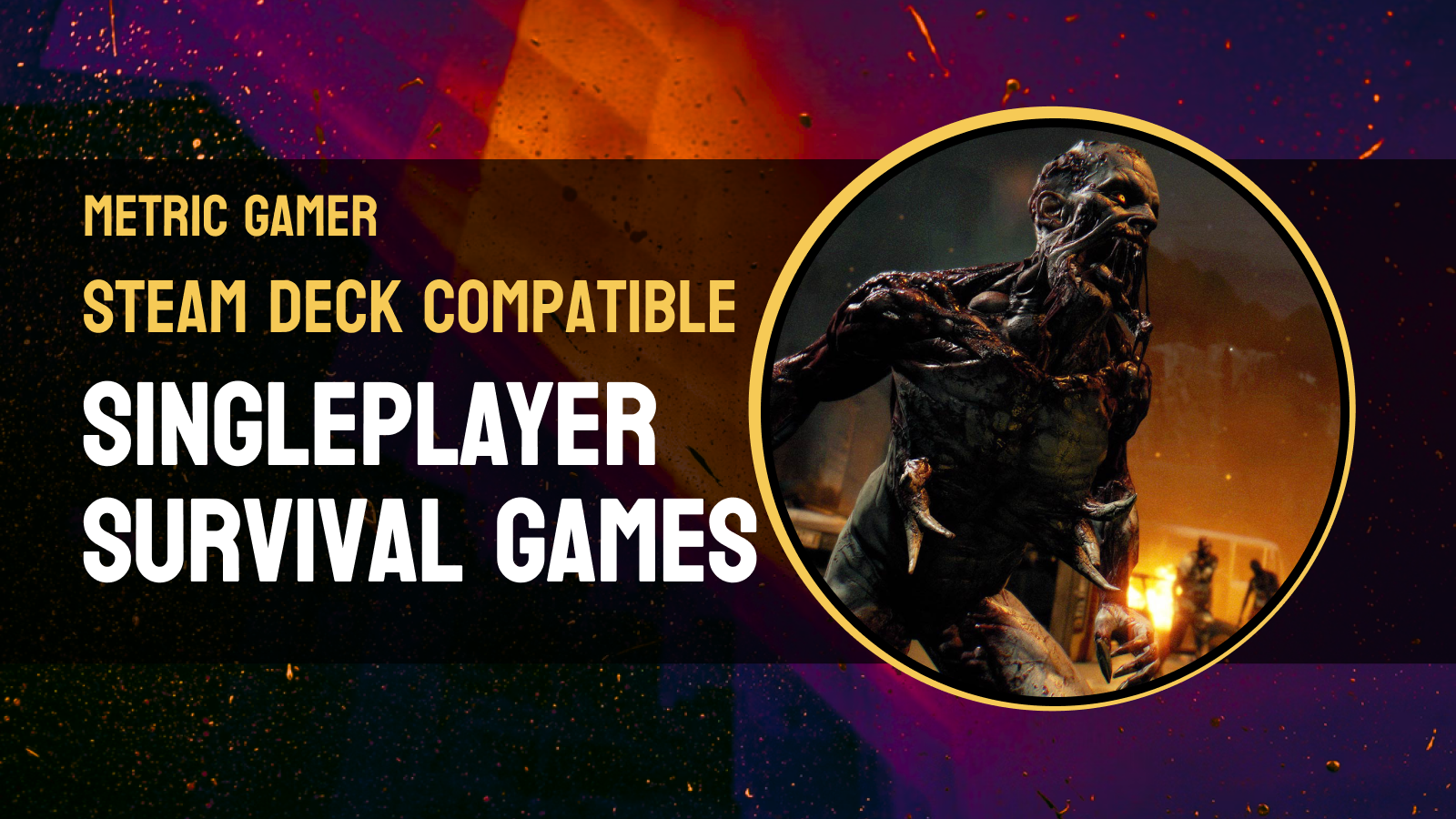
the thumbnail image showing the title of the blog and a screenshot of the dying light gameplay

What are the best Steam Deck games ranked for singleplayer survival fans?

With the highly anticipated release of Silent Hill 2, it can be a shame to discover the game is not Steam Deck Verified (as of right now). So, to scratch that single player survival game itch on the Steam Deck, we have compiled a comprehensive guide of some of the best survival games on Steam. The best part? All of them are Steam Deck verified, meaning they are perfect for on-the-go gaming! Expect ratings based on:

Story Exploration Combat
Survival Mechanics

Resident Evil 2 and 4 /rating:4.5

Ratings (Out of 5)

  • Combat: Outstanding 5 /icon:star/rating:5
  • Exploration: Great 4 /icon:star/rating:4
  • Story: Outstanding 5 /icon:star/rating:5
  • Survival Mechanics: Outstanding 5 /icon:star/rating:5
  • Players: 1 /icon:gamepad/rating:1
  • Cross-Platform Play: No

Available On:

  • Steam Deck
  • PC
  • PlayStation 4
  • PlayStation 5
  • Xbox One
  • Xbox Series X/S

Game Features

  • Single Player
  • Intense survival horror experience
  • Resource management
  • Puzzle solving
  • Multiple playable characters

Resident Evil 2 and 4 bring classic survival horror to the Steam Deck, offering tense and immersive experiences that shines on the portable screen.

Combat

The combat in Resident Evil 2 and 4 is a masterclass in survival horror gameplay. Each encounter feels tense and meaningful, with limited resources adding weight to every decision. The over-the-shoulder perspective, introduced in Resident Evil 4 and refined in the Resident Evil 2 remake, provides precise aiming that translates well to the Steam Deck’s controls. Enemies are varied and challenging, requiring different strategies to overcome. The satisfying feedback of each shot and the strategic dismemberment mechanics in Resident Evil 2 create a combat system that’s both visceral and tactical.

Exploration

Both games excel in creating atmospheric environments that beg to be explored. The intricate level design encourages thorough investigation, with hidden items and secrets rewarding observant players. Resident Evil 2’s police station and Resident Evil 4’s rural village are memorable settings, each filled with puzzles and locked areas that gradually open up as you progress. The Steam Deck’s portability enhances this aspect, allowing players to dive into these rich environments whenever they have a spare moment.

Story

The narratives in Resident Evil 2 and 4 are compelling and well-paced, driving players forward through the horror-filled worlds. Resident Evil 2’s dual storylines, following Leon Kennedy and Claire Redfield, offer different perspectives on the Raccoon City outbreak. Resident Evil 4’s story takes a more action-oriented approach, with Leon’s mission to rescue the President’s daughter evolving into a fight against a sinister cult. Both games feature strong character development and memorable villains, creating stories that resonate long after the credits roll.

Survival Mechanics

The survival mechanics in these games are finely tuned to create a constant sense of tension. Inventory management is crucial, forcing players to make tough decisions about what to carry. The limited save system in Resident Evil 2 (using typewriters and ink ribbons) adds to the suspense, making each safe room a welcome respite. Health is a precious resource, with herbs and first aid sprays requiring strategic use. The crafting system in both games allows for some flexibility in resource management, adding depth to the survival experience.

Resident Evil 2 and 4 stand as pinnacles of the survival horror genre, offering experiences that are perfectly suited for the Steam Deck. The combination of intense combat, atmospheric exploration, gripping storytelling, and challenging survival mechanics creates games that are both thrilling and deeply satisfying gameplay experiences.


Dead Space /rating:4.5

Ratings (Out of 5)

  • Combat: Outstanding 5 /icon:star/rating:5
  • Exploration: Great 4 /icon:star/rating:4
  • Story: Great 4 /icon:star/rating:4
  • Survival Mechanics: Outstanding 5 /icon:star/rating:5
  • Players: 1 /icon:gamepad/rating:1
  • Cross-Platform Play: No

Available on:

  • Steam Deck
  • PC
  • PlayStation 3 (original)
  • Xbox 360 (original)
  • PlayStation 5 (remake)
  • Xbox Series X/S (remake)

Game Features

  • Single Player
  • Sci-fi survival horror
  • Strategic dismemberment combat
  • Zero-gravity sections
  • Upgradeable weapons and abilities

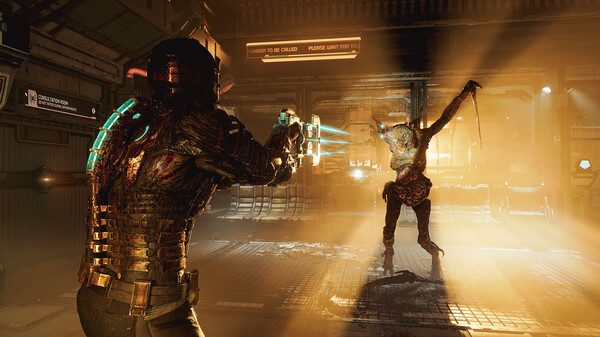
Dead Space brings deep space terror to the Steam Deck, offering a unique blend of sci-fi horror and action that’s perfectly suited for portable play.

Combat

Dead Space’s combat system is revolutionary in the survival horror genre. The strategic dismemberment mechanic adds a layer of depth to each encounter, requiring players to target specific limbs to efficiently take down the Necromorphs. This precision-based combat translates surprisingly well to the Steam Deck’s controls, with the gyro aiming option enhancing accuracy. The variety of weapons, each with alternate fire modes, encourages experimentation and adaptation to different situations. The tension of combat is amplified by the claustrophobic environments of the USG Ishimura, making each battle a heart-pounding experience.

Exploration

The USG Ishimura serves as a character in its own right, with its winding corridors and vast chambers begging to be explored. The game’s level design encourages backtracking with new abilities, revealing previously inaccessible areas and rewards. The zero-gravity sections add a unique dimension to exploration, allowing for 360-degree movement that’s both disorienting and exhilarating. The Steam Deck’s OLED screen (on newer models) enhances the game’s dark, atmospheric visuals, making exploration in the dimly lit ship even more immersive.

Story

Dead Space weaves a compelling narrative that blends cosmic horror with personal tragedy. The story of Isaac Clarke’s search for his girlfriend Nicole amidst the Necromorph outbreak is both haunting and engaging. The game’s approach to storytelling, with much of the plot revealed through audio logs and environmental details, is well-suited to the Steam Deck’s pick-up-and-play nature. The gradual unraveling of the Unitologist conspiracy and the true nature of the Marker creates a narrative that keeps players invested throughout their journey.

Survival Mechanics

Dead Space excels in its survival mechanics, creating a constant sense of vulnerability even as the player grows stronger. The resource management is tight, with ammo and health packs always feeling scarce. The unique health bar integrated into Isaac’s suit adds to the immersion, eliminating the need for a traditional HUD. The upgrade system for both weapons and Isaac’s suit provides meaningful progression, allowing players to tailor their playstyle. The Store and workbench mechanics add a strategic layer to resource management, forcing players to make tough decisions about what to buy, sell, or upgrade.

Dead Space stands as a masterpiece of survival horror, offering an experience that’s both terrifying and exhilarating on the Steam Deck. Its combination of innovative combat, atmospheric exploration, engaging storytelling, and challenging survival mechanics makes it a must-play for fans of the genre looking for a premium portable gaming experience.


Dying Light /rating:4

  • Combat: Great 4 /icon:star/rating:4
  • Exploration: Outstanding 5 /icon:star/rating:5
  • Story: Good 3 /icon:star/rating:3
  • Survival Mechanics: Great 4 /icon:star/rating:4
  • Players: 4 /icon:gamepad/rating:4
  • Cross-Platform Play: No

Available On:

  • Steam Deck
  • PC
  • PlayStation 4
  • Xbox One
  • Nintendo Switch

Game Features

  • Single Player (with co-op options)
  • Open-world zombie survival
  • Parkour movement system
  • Day/night cycle with increased difficulty
  • Crafting and weapon modification

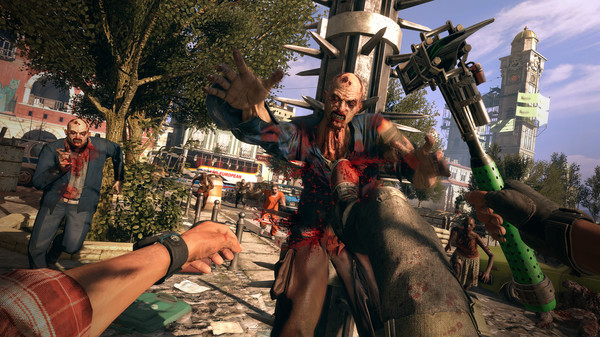
Dying Light brings parkour-infused zombie survival to the Steam Deck, offering a unique blend of action, exploration, and horror in a portable package.

Combat

Dying Light’s combat system shines in its visceral, up-close encounters with the infected. The melee-focused gameplay feels weighty and impactful, with each swing of a weapon carrying real consequence. The addition of parkour elements to combat creates dynamic encounters, allowing players to use the environment to their advantage. The progression system, which unlocks new combat abilities over time, ensures that fighting remains engaging throughout the game. While firearms are available, their limited ammo makes each shot count, maintaining the tension of survival horror.

Exploration

The city of Harran is a playground for parkour enthusiasts, with its dense urban environment designed for fluid movement. The freerunning mechanics are smooth and intuitive, translating well to the Steam Deck’s controls. The open-world design encourages exploration, with hidden caches, side quests, and scenic vistas rewarding curious players. The day/night cycle adds a thrilling dimension to exploration, with the more dangerous nighttime encouraging risky excursions for greater rewards. The Steam Deck’s portability enhances this aspect, allowing players to engage in quick scavenging runs or longer expeditions as time allows.

Story

While not the game’s strongest aspect, Dying Light’s narrative provides sufficient motivation to progress through its zombie-infested world. The story follows Kyle Crane, an undercover agent sent to infiltrate a quarantine zone, and touches on themes of survival, loyalty, and the breakdown of society. Side quests often offer more compelling narratives, presenting moral dilemmas and character-driven stories that add depth to the world. The game’s approach to storytelling, with many quests able to be completed in short bursts, is well-suited to the Steam Deck’s portable nature.

Survival Mechanics

Dying Light’s survival mechanics create a constant sense of tension and progression. The crafting system allows players to create and modify weapons, adding a layer of strategy to resource management. The day/night cycle is a standout feature, with the more aggressive nighttime zombies forcing players to adapt their tactics. Safe zones provide respite and serve as fast travel points, but reaching them often requires careful planning. The skill trees for survival, agility, and combat provide a sense of growth, with each level-up feeling impactful. The inclusion of consumables like medkits and boosters adds depth to moment-to-moment survival decisions.

Dying Light offers a unique take on the survival horror genre, blending parkour mechanics with zombie survival to create an experience that feels fresh and exciting. Its emphasis on fluid movement and environmental interaction, combined with solid combat and survival elements, makes it a real standout title.


SOMA /rating:3.25

Ratings (Out of 5)

  • Combat: Poor 1 /icon:star/rating:1
  • Exploration: Great 4 /icon:star/rating:4
  • Story: Outstanding 5 /icon:star/rating:5
  • Survival Mechanics: Good 3 /icon:star/rating:3
  • Players: 1 /icon:gamepad/rating:1
  • Cross-Platform Play: No

Available On:

  • Steam Deck
  • PC
  • PlayStation 4
  • Xbox One

Game Features

  • Single Player
  • Psychological horror
  • Underwater sci-fi setting
  • Stealth-based gameplay
  • Philosophical narrative

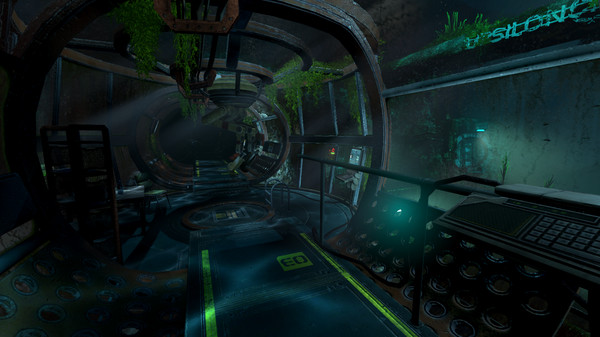
SOMA brings existential dread to the Steam Deck, offering a thought-provoking and atmospheric horror experience that challenges players’ perceptions of consciousness and humanity.

Combat

SOMA intentionally eschews traditional combat mechanics, focusing instead on stealth and avoidance. The lack of combat contributes to the game’s atmosphere of vulnerability and dread. Players must navigate around hostile entities, using sound and environmental cues to avoid detection. While this approach may not appeal to action-oriented players, it creates a tense and immersive experience that aligns perfectly with the game’s themes of helplessness and survival. The Steam Deck’s intimate screen and headphone setup enhance these stealth sections, making every encounter feel immediate and dangerous.

Exploration

The underwater facility of PATHOS-II is a masterpiece of atmospheric level design. Each area feels distinct and lived-in, with environmental storytelling providing insights into the facility’s history and the fate of its inhabitants. The game encourages thorough exploration, with terminals, audio logs, and interactive objects fleshing out the rich backstory. The underwater sections, where players navigate the abyssal depths between facility sections, create a sense of isolation and wonder.

Story

SOMA’s narrative is its crowning achievement, tackling complex philosophical questions about consciousness, identity, and the nature of humanity. The story follows Simon Jarrett as he awakens in the underwater facility, unraveling the mystery of his situation and the fate of the world above. The game presents moral dilemmas that have no easy answers, forcing players to confront uncomfortable truths about existence and continuity of self. The narrative unfolds through a combination of environmental storytelling, character interactions, and pivotal choice moments, creating a deeply engaging experience that lingers long after the game ends.

Survival Mechanics

While not as prominent as in other survival horror games, SOMA’s survival mechanics contribute significantly to its atmosphere of tension and vulnerability. Resource management is minimal, focusing instead on careful navigation of hostile environments. The player’s ability to interact with the environment to create distractions or hide from threats adds a layer of strategy to survival. The game’s approach to player “death” is unique, with failures often resulting in disorientation rather than a traditional game over, maintaining immersion.

SOMA offers a unique and thought-provoking survival horror experience on the Steam Deck. While it may not feature traditional combat or extensive survival mechanics, its atmospheric exploration, masterful storytelling, and philosophical depth create an unforgettable journey that’s perfectly suited for immersive portable play.


Outlast 1 & 2 /rating:3

Ratings (Out of 5)

  • Combat: Poor 1 /icon:star/rating:1
  • Exploration: Great 4 /icon:star/rating:4
  • Story: Great 4 /icon:star/rating:4
  • Survival Mechanics: Good 3 /icon:star/rating:3
  • Players: 1 /icon:gamepad/rating:1
  • Cross-Platform Play: No

Available On:

  • Steam Deck
  • PC
  • PlayStation 4
  • Xbox One
  • Nintendo Switch

Game Features

  • Single Player
  • First-person survival horror
  • Stealth-based gameplay
  • Night vision camera mechanics
  • Intense chase sequences

Outlast 1 and 2 bring pure, unadulterated horror to the Steam Deck, offering intense and terrifying experiences that push the boundaries of the survival horror genre.

Combat

Outlast intentionally removes all combat options, leaving players completely defenseless against the horrors they encounter. This design choice creates a constant state of vulnerability and fear, as every encounter becomes a desperate struggle for survival. The lack of combat is compensated by intense chase sequences and stealth sections, where timing and environmental awareness are crucial. While this approach may frustrate players looking for more active gameplay, it perfectly serves the game’s goal of creating pure, unrelenting terror.

Exploration

Both Outlast games excel in creating richly detailed, nightmarish environments that beg to be explored – albeit cautiously. The first game’s Mount Massive Asylum and the second’s rural Arizona setting are filled with dark corners, hidden passages, and environmental storytelling elements. The level design encourages thorough investigation to find key items, batteries for your camera, and documents that flesh out the backstory. The Steam Deck’s portability allows players to dive into these terrifying worlds in short bursts, perfect for those who might find the intensity overwhelming in longer sessions.

Story

Outlast’s narratives delve into dark, controversial themes that push the boundaries of horror storytelling. The first game follows journalist Miles Upshur as he uncovers the twisted experiments at Mount Massive Asylum, while the sequel explores religious fanaticism and cult psychology through the eyes of cameraman Blake Langermann. Both games use a combination of found footage style storytelling, environmental clues, and intense set pieces to craft narratives that are as disturbing as they are engaging. The stories unfold at a brisk pace, well-suited to the Steam Deck’s pick-up-and-play nature, keeping players invested in uncovering the next shocking revelation.

Survival Mechanics

Outlast’s survival mechanics are minimalistic but effective in maintaining tension throughout the experience. The core mechanic revolves around managing the battery life of your night vision camera, which is essential for navigating dark areas and spotting threats. This creates a constant risk-reward dynamic, as players must decide when to use this limited resource. The inability to fight back means that stealth and quick thinking are your primary tools for survival. Hiding spots like lockers, beds, and dark corners become crucial for evading enemies. In Outlast 2, the addition of a microphone feature for detecting distant sounds adds another layer to the survival mechanics. The Steam Deck’s touchscreen can enhance interactions with the camera and inventory, adding to the immersive experience.

Outlast 1 and 2 offer intense, psychological horror experiences that are well-suited to the Steam Deck’s portable nature. While they may not feature traditional combat or complex survival systems, their focus on stealth, exploration, and storytelling creates a uniquely terrifying journey that horror enthusiasts can enjoy on the go.


In conclusion, the Steam Deck offers an impressive selection of single-player survival games that cater to a variety of horror enthusiasts. From the intense combat and atmospheric storytelling of Resident Evil 2/4 and Dead Space to the unique parkour mechanics of Dying Light, each title provides a distinct experience that shines on the portable platform. SOMA and Outlast further demonstrate that survival horror can thrive without traditional combat, focusing instead on psychological tension and immersive narratives. The Steam Deck’s portability enhances these chilling adventures, allowing players to dive into terrifying worlds anytime, anywhere. Whether you’re battling zombies, navigating dark underwater facilities, or evading relentless foes, these games ensure that survival horror fans have plenty of thrilling options to explore on the go.

/meta-title: Best Steam Deck Survival Games in 2024

/meta-description: Discover some of the best Steam Deck Survival Games ranked based on metrics based on metrics such as story, combat, and survival mechanics.

Best Steam Deck Games – Best 2 player Anime Fighting Games

What are the best Steam Deck games in the anime fighting genre?

Check out our previous blog on anime fighting games here!

The Steam Deck has revolutionized portable gaming, bringing a vast library of PC titles to the palm of your hand. Among these, anime fighting games stand out as perfect candidates for on-the-go multiplayer action. In this comprehensive guide, we’ll delve into seven exceptional anime fighting titles that either feature anime-style graphics or are based on popular anime or manga series. The best part? All of them are Steam Deck verified, meaning they are perfect for on-the-go gaming! Expect ratings based on variety of game modes, learning curve, skill ceiling, combat mechanics, and co-op accessibility!

Learning Curve Skill Ceiling Diversity of Game Modes
Combat Co-op Accessibility

Demon Slayer -Kimetsu no Yaiba- The Hinokami Chronicles /rating:4

Ratings (Out of 5)

  • Learning Curve: Great 4 /icon:star/rating:4
  • Skill Ceiling: Great 4 /icon:star/rating:4
  • Diversity of Game Modes: Great 4/icon:star/rating:4
  • Combat: Outstanding 5 /icon:star/rating:5
  • Co-op Accessibility: Good 3 /icon:star/rating:3
  • Players: 2 /icon:gamepad/rating:2
  • Cross-Platform Play: No

Available On:

  • Steam Deck
  • PC
  • PlayStation 4
  • PlayStation 5
  • Xbox One
  • Xbox Series X/S
  • Nintendo Switch

Game Features

  • Single Player Story Mode
  • Versus Mode
  • Online Multiplayer
  • Local Multiplayer
  • Training Mode

Demon Slayer -Kimetsu no Yaiba- The Hinokami Chronicles brings the popular anime series to life on the Steam Deck, offering a visually stunning and accessible fighting game experience.

Learning Curve

With a 4/5 for its learning curve, Demon Slayer strikes an excellent balance between accessibility and depth. Newcomers to fighting games will find the basic controls intuitive, with special moves and combos easy to execute. The game’s tutorial system effectively introduces core mechanics, allowing players to quickly grasp the fundamentals. This approachability makes it an ideal choice for casual play on the Steam Deck.

Skill Ceiling

The skill ceiling in Demon Slayer earns a 4/5, offering room for growth without becoming overwhelming. While the combo system isn’t as extensive as some hardcore fighting games, mastering character-specific techniques and optimal punishes provides a satisfying challenge. The inclusion of advanced mechanics like parries and surge modes adds depth for players looking to improve their skills, ensuring long-term engagement.

Diversity of Game Modes

Players can immerse themselves in the story mode, which faithfully recreates key moments from the anime’s first season and Mugen Train arc. The versus mode allows for quick matches against AI or local opponents. While the game doesn’t offer as many additional modes as some fighting game staples, the quality of its core offerings compensates for this.

Combat

Combat in Demon Slayer beautifully captures the essence of the anime’s sword-based fighting. Each character feels unique, with movesets that reflect their fighting styles from the series. The inclusion of assist characters adds strategic depth, allowing for creative combo extensions and setups. The fluidity of the combat, combined with the Steam Deck’s responsive controls, creates an immersive and enjoyable fighting experience.

Co-op Accessibility

Co-op accessibility scores a 3/5, offering solid options for local multiplayer on the Steam Deck. The game supports local versus matches out of the box, allowing friends to compete using a single device. However, the lack of a dedicated co-op story mode or tag team options slightly limits its cooperative potential. Despite this, the ease of setting up quick matches makes it a great choice for impromptu gaming sessions on the go.

Demon Slayer -Kimetsu no Yaiba- The Hinokami Chronicles stands out as an excellent anime fighting game for the Steam Deck. Its combination of stunning visuals, accessible gameplay, and faithful representation of the source material makes it a must-play for fans of the series and fighting game enthusiasts alike.


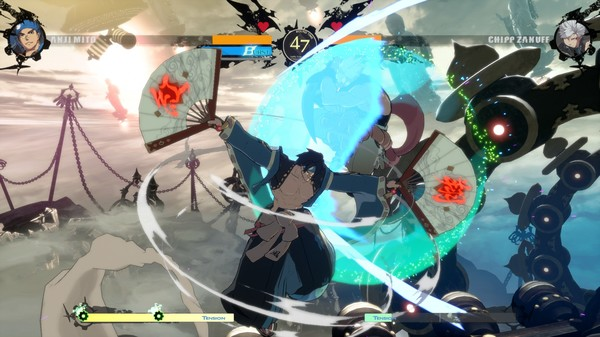
GUILTY GEAR -STRIVE- /rating:4

Ratings (Out of 5)

  • Learning Curve: Great 4 /icon:star/rating:4
  • Skill Ceiling: Good 3 /icon:star/rating:3
  • Diversity of Game Modes: Outstanding 5 /icon:star/rating:5
  • Combat: Outstanding 5 /icon:star/rating:5
  • Co-op Accessibility: Good 3 /icon:star/rating:3
  • Players: 2 /icon:gamepad/rating:2
  • Cross-Platform Play: No

Available on:

  • Steam Deck
  • PC
  • PlayStation 4
  • PlayStation 5
  • Xbox One
  • Xbox Series X/S

Game Features

  • Arcade Mode
  • Versus Mode
  • Online Multiplayer
  • Local Multiplayer
  • Training Mode
  • Extensive Tutorial System

GUILTY GEAR -STRIVE- brings the legendary fighting game series to new heights, offering a visually spectacular and mechanically deep experience that shines on the Steam Deck.

Learning Curve

GUILTY GEAR -STRIVE- presents a steeper initial challenge compared to some anime fighters. The game’s unique mechanics, such as the Roman Cancel system, require dedication to master. However, the extensive tutorial and mission modes provide excellent resources for learning, making the journey less daunting. The Steam Deck’s portability allows players to practice in short bursts, gradually building their skills over time.

Skill Ceiling

GUILTY GEAR -STRIVE- boasts one of the deepest and most rewarding fighting game experiences available. The game’s complex systems, including its unique approach to combos and neutral game, provide endless opportunities for creativity and improvement. High-level play involves intricate decision-making and execution, ensuring that even veteran players will find new strategies to explore on their Steam Deck.

Diversity of Game Modes

GUILTY GEAR -STRIVE- offers a robust arcade mode, story mode, versus mode, and online play. The inclusion of a mission mode that teaches advanced techniques adds significant value, especially for players looking to improve their skills during commutes. While the game doesn’t reinvent the wheel in terms of mode variety, each offering is polished and substantial.

Combat

The combat in GUILTY GEAR -STRIVE- earns a perfect 5/5. Each character in the roster feels distinct, with unique playstyles that cater to various approaches to fighting games. The visual spectacle of the battles, with stunning animations and impactful moves, translates surprisingly well to the Steam Deck’s screen. The game’s emphasis on neutral play and strategic use of meter creates tense, exciting matches that feel rewarding whether played in short bursts or extended sessions.

Co-op Accessibility

GUILTY GEAR -STRIVE- focuses more on competitive play rather than cooperative experiences. While local versus matches are easily set up on the Steam Deck, the game lacks dedicated co-op modes. However, the ability to play local matches anywhere makes it a solid choice for impromptu gaming sessions with friends, even if the options are limited.

GUILTY GEAR -STRIVE- stands as a pinnacle of the anime fighting game genre on Steam Deck. Its combination of visual flair, deep mechanics, and robust training options make it an excellent choice for players looking for a serious fighting game experience on the go.


NARUTO SHIPPUDEN: Ultimate Ninja STORM 2 /rating:3.8

  • Learning Curve: Great 4 /icon:star/rating:4
  • Skill Ceiling: Great 4 /icon:star/rating:4
  • Diversity of Game Modes: Great 4/icon:star/rating:4
  • Combat: Great 4 /icon:star/rating:4
  • Co-op Accessibility: Good 3 /icon:star/rating:3
  • Players: 2 /icon:gamepad/rating:2
  • Cross-Platform Play: No

Available On:

  • Steam Deck
  • PC
  • PlayStation 3 (original release)
  • Xbox 360 (original release)
  • Nintendo Switch (as part of a collection)

Game Features

  • Story Mode
  • Free Battle Mode
  • Online Multiplayer
  • Local Multiplayer
  • Collectibles and Unlockables

NARUTO SHIPPUDEN: Ultimate Ninja STORM 2 brings the beloved ninja anime to life on the Steam Deck, offering a nostalgic and accessible fighting game experience.

Learning Curve

Ultimate Ninja STORM 2 proves highly accessible to newcomers. The game’s simplified control scheme, with most actions mapped to single button presses, allows players to perform impressive moves and combos with ease. This approachability makes it an excellent choice for casual play, especially for anime fans who may not be fighting game veterans.

Skill Ceiling

While the game’s mechanics are not as deep as traditional fighting games, mastering character-specific techniques, timing, and resource management provides a moderate challenge. The inclusion of support characters and awakening modes adds layers of strategy, offering room for improvement without becoming overwhelming. This balance makes it suitable for both quick pick-up-and-play sessions and more serious competitive matches.

Diversity of Game Modes

The extensive story mode faithfully recreates key arcs from the Naruto Shippuden anime, providing hours of single-player content perfect for long gaming sessions on the Steam Deck. Free Battle mode allows for quick matches against AI or local opponents, ideal for short bursts of play. The inclusion of online multiplayer, though dated by modern standards, adds to the game’s longevity.

Combat

Combat in Ultimate Ninja STORM 2 faithfully captures the essence of Naruto’s ninja battles. The 3D arena-style fighting allows for dynamic encounters, with characters able to move freely around the battlefield. Special moves and ultimate jutsus are visually spectacular, translating well to the Steam Deck’s screen. While not as technically demanding as traditional 2D fighters, the combat system offers enough depth to keep gameplay exciting and varied.
Co-op Accessibility

Co-op accessibility scores a 3/5, offering solid options for local multiplayer on the Steam Deck. The game supports local versus matches out of the box, allowing friends to compete using a single device. The simplicity of the controls makes it easy for even non-gamers to join in, perfect for impromptu multiplayer sessions. However, the lack of a dedicated co-op story mode slightly limits its cooperative potential.

NARUTO SHIPPUDEN: Ultimate Ninja STORM 2 stands as a solid choice for anime fighting game fans. Its combination of accessible gameplay, extensive story mode, and faithful representation of the Naruto universe makes it an enjoyable experience for both fans of the series and casual fighting game players.


MY HERO ONE’S JUSTICE 2 /rating:3.6

Ratings (Out of 5)

  • Learning Curve: Good 3 /icon:star/rating:3
  • Skill Ceiling: Great 4 /icon:star/rating:4
  • Diversity of Game Modes: Great 4/icon:star/rating:4
  • Combat: Great 4 /icon:star/rating:4
  • Co-op Accessibility: Good 3 /icon:star/rating:3
  • Players: 2 /icon:gamepad/rating:2
  • Cross-Platform Play: No

Available On:

  • Steam Deck
  • PC
  • Nintendo Switch
  • PlayStation 4
  • Xbox One

Game Features

  • Story Mode
  • Mission Mode
  • Arcade Mode
  • Online Multiplayer
  • Local Multiplayer
  • Training Mode
  • Customization Options

MY HERO ONE’S JUSTICE 2 brings the superhero action of My Hero Academia to life as a 3D arena fighter, offering an accessible and visually spectacular experience.

Learning Curve

With a 4/5 for its learning curve, MY HERO ONE’S JUSTICE 2 proves highly accessible to newcomers. The game’s control scheme is intuitive, allowing players to easily perform flashy moves and combos that capture the essence of each hero’s quirk. The tutorial system effectively introduces core mechanics, enabling players to quickly grasp the fundamentals. This approachability makes it an ideal choice for casual play on the Steam Deck, especially for fans of the My Hero Academia series who may not be fighting game veterans.

Skill Ceiling

The skill ceiling in MY HERO ONE’S JUSTICE 2 offers more depth than its accessible exterior might suggest. While basic combos are easy to execute, mastering character-specific techniques, optimal punishes, and the strategic use of assist characters provides a satisfying challenge. The inclusion of advanced mechanics like counter attacks and plus ultra moves adds layers of complexity for players looking to improve their skills.

Diversity of Game Modes

MY HERO ONE’S JUSTICE 2 offers a story mode that covers key arcs from the anime, allowing players to experience iconic moments on their Steam Deck. The mission mode provides additional challenges and unlockables, adding replay value for solo players. While the arcade and versus modes offer standard fighting game fare, the game doesn’t introduce many innovative modes to set it apart. However, the inclusion of extensive character customization options adds a layer of personalization that fans will appreciate.

Combat

Combat in MY HERO ONE’S JUSTICE 2 delivers fast-paced and visually impressive battles. The 3D arena format allows for dynamic encounters, with characters able to utilize the environment and move freely around the battlefield. Each character’s quirk is well-represented in their moveset, creating a diverse roster that encourages players to experiment with different fighting styles. The spectacle of the super moves translates surprisingly well to the Steam Deck’s screen, maintaining the excitement of the anime’s action sequences.

Co-op Accessibility

The game supports local versus matches out of the box, allowing friends to compete using a single device. The simplicity of the basic controls makes it easy for even non-gamers to join in, perfect for impromptu multiplayer sessions. However, the lack of a dedicated co-op story mode or tag team options slightly limits its cooperative potential.

MY HERO ONE’S JUSTICE 2 stands as an enjoyable anime fighting game experience. Its combination of accessible gameplay, faithful representation of the source material, and visual flair makes it a great choice for fans of My Hero Academia and casual fighting game players alike. While it may not offer the depth of more traditional fighting games, its pick-up-and-play nature and spectacular battles make it well-suited for portable gaming sessions.


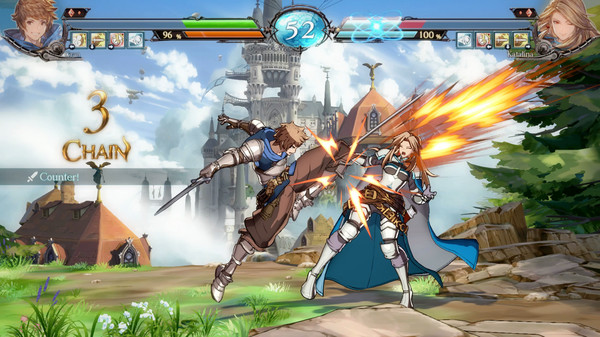
Granblue Fantasy: Versus /rating:3.6

Ratings (Out of 5)

  • Learning Curve: Good 3 /icon:star/rating:3
  • Skill Ceiling: Great 4 /icon:star/rating:4
  • Diversity of Game Modes: Great 4/icon:star/rating:4
  • Combat: Great 4 /icon:star/rating:4
  • Co-op Accessibility: Good 3 /icon:star/rating:3
  • Players: 2 /icon:gamepad/rating:2
  • Cross-Platform Play: No

Available On:

  • Steam Deck
  • PC
  • PlayStation 4

Game Features

  • Arcade Mode
  • RPG Mode
  • Versus Mode
  • Online Multiplayer
  • Local Multiplayer
  • Training Mode

Granblue Fantasy: Versus brings the popular mobile RPG to life as a stunning fighting game, offering a unique blend of accessibility and depth.

Learning Curve

With a 4/5 for its learning curve, Granblue Fantasy: Versus shines in its accessibility. The game’s unique “skill button” system allows newcomers to easily perform special moves, making it welcoming for players new to fighting games. At the same time, the option to use traditional inputs provides depth for experienced players. This dual approach to controls makes it an excellent choice for both casual and serious play on the Steam Deck.

Skill Ceiling

While the basic mechanics of the game are easy to grasp, mastering the unique cooldown system, optimal combos, and character-specific strategies provides a satisfying challenge. The inclusion of technical mechanics like spot dodges and cross-overs adds layers of complexity for players looking to improve, ensuring long-term engagement.

Diversity of Game Modes

The standout feature of Granblue Fantasy: Versus is its RPG mode, which offers a unique single-player experience blending fighting game mechanics with RPG elements. Traditional arcade and versus modes provide quick fighting action, while online play extends the game’s longevity. However, the limited number of additional modes keeps it from scoring higher in this category.

Combat

Combat in Granblue Fantasy: Versus strikes a great balance between accessibility and depth. The fighting system emphasizes strong fundamentals and strategic use of special moves, rather than long combo strings. Each character in the diverse roster feels unique, with playstyles that reflect their roles in the original RPG. The visual spectacle of the battles, with stunning animations and impactful moves, translates beautifully to the Steam Deck’s screen, making every match a feast for the eyes.

Co-op Accessibility

Co-op accessibility in Granblue Fantasy: Versus earns a 3/5, offering standard options for local multiplayer on the Steam Deck. The game gives you instant access to local versus matches, allowing for easy setup of casual competitions. The RPG mode, while primarily single-player, does offer some co-op elements that can be enjoyed locally. The simplicity of the basic controls makes it easy for friends to jump in for quick matches, perfect for social gaming on the go.

Granblue Fantasy: Versus stands out as a unique entry in the anime fighting game genre. Its blend of accessibility, RPG elements, and stunning visuals makes it an excellent choice for both fans of the Granblue Fantasy series and newcomers looking for an approachable yet deep fighting game experience.


MELTY BLOOD: TYPE LUMINA /rating:3.4

Ratings (Out of 5)

  • Learning Curve: Good 3 /icon:star/rating:3
  • Skill Ceiling: Good 3 /icon:star/rating:3
  • Diversity of Game Modes: Great 4/icon:star/rating:4
  • Combat: Great 4 /icon:star/rating:4
  • Co-op Accessibility: Good 3 /icon:star/rating:3
  • Players: 2 /icon:gamepad/rating:2
  • Cross-Platform Play: No

Available On:

  • Steam Deck
  • PC
  • Nintendo Switch
  • PlayStation 4
  • Xbox One

Game Features

  • Story Mode
  • Arcade Mode
  • Versus Mode
  • Online Multiplayer
  • Local Multiplayer
  • Training Mode
  • Replay System

MELTY BLOOD: TYPE LUMINA brings the cult classic fighting game series to modern platforms, offering a fast-paced and technical experience that shines on the Steam Deck.

Learning Curve

With a 5/5 for its learning curve, MELTY BLOOD: TYPE LUMINA stands out for its excellent onboarding process. The game features a comprehensive tutorial system that effectively teaches both basic and advanced mechanics. The inclusion of “Rapid Beat” auto-combos allows newcomers to perform flashy sequences easily, while still leaving room for manual execution. This balance makes it an ideal choice for both fighting game veterans and newcomers looking to dive into the genre.

Skill Ceiling

The skill ceiling in MELTY BLOOD: TYPE LUMINA offers a decent challenge for dedicated players. The game’s air-dash heavy gameplay and unique Moon Drive and Moon Skill systems provide plenty of room for creativity and optimization. While not as overwhelmingly complex as some fighting games, mastering character-specific techniques and optimal combo routes offers a satisfying goal for players looking to improve their skills.

Diversity of Game Modes

MELTY BLOOD: TYPE LUMINA offers a standard suite of modes including story, arcade, versus, and online play. While these cover the essentials, the game doesn’t introduce many innovative or unique modes to set it apart. However, the depth of the existing modes, particularly the story mode which offers multiple character perspectives, provides substantial content for players.

Combat

Combat in MELTY BLOOD: TYPE LUMINA succeeds in delivering fast-paced and fluid battles. The game’s emphasis on air movement and aggressive offense creates dynamic matches that feel exciting even on the Steam Deck’s smaller screen. Each character in the diverse roster offers unique playstyles and mechanics, ensuring that players can find a fighter that suits their preferences. The visual clarity of moves and effects translates well to portable play, maintaining the intensity of the action.
Co-op Accessibility

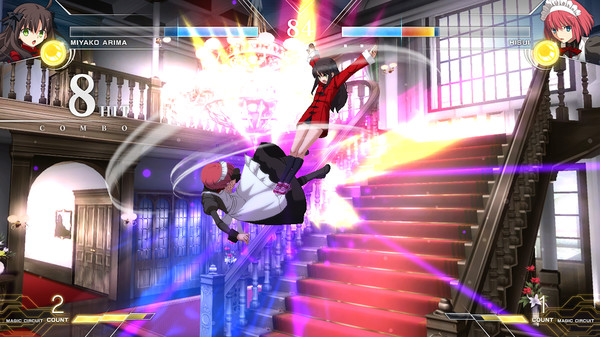
Co-op accessibility scores a 4/5, offering robust options for local multiplayer on the Steam Deck. The game supports local versus matches, with an interface that’s easy to navigate on the portable screen. The inclusion of a spectator mode for local play adds a nice touch for group sessions. While there’s no dedicated co-op campaign, the ease of setting up casual matches makes MELTY BLOOD: TYPE LUMINA an excellent choice for impromptu fighting game sessions with friends.

MELTY BLOOD: TYPE LUMINA stands as a solid choice for anime fighting game enthusiasts on the Steam Deck. Its combination of accessible mechanics, deep gameplay, and rich lore from the Type-Moon universe makes it an engaging experience for both longtime fans and newcomers to the series.


One Piece Burning Blood /rating:3.2

Ratings (Out of 5)

  • Learning Curve: Good 3 /icon:star/rating:3
  • Skill Ceiling: Good 3 /icon:star/rating:3
  • Diversity of Game Modes: Good 3 /icon:star/rating:3
  • Combat: Great 4 /icon:star/rating:4
  • Co-op Accessibility: Good 3 /icon:star/rating:3
  • Players: 2 /icon:gamepad/rating:2
  • Cross-Platform Play: No

Available On:

  • Steam Deck
  • PC
  • Nintendo Switch
  • PlayStation 4
  • Xbox One

Game Features

  • Story Mode
  • Mission Mode
  • Arcade Mode
  • Online Multiplayer
  • Local Multiplayer
  • Training Mode
  • Customization Options

MY HERO ONE’S JUSTICE 2 brings the superhero action of My Hero Academia to life as a 3D arena fighter, offering an accessible and visually spectacular experience.

Learning Curve

With a 3/5 for its learning curve, One Piece Burning Blood strikes a balance between accessibility and complexity. The game’s control scheme is designed to be intuitive, allowing players to easily perform signature moves from the series. The inclusion of support characters and Logia-type transformations adds depth without overwhelming newcomers.

Skill Ceiling

While the game may not have the technical depth of traditional fighting games, mastering character-specific techniques, team compositions, and the timing of support attacks provides room for skill expression. The unique mechanics, such as the Logia guard and awakening transformations, add layers of strategy that reward players who invest time in learning the system.

Diversity of Game Modes

One Piece Burning Blood’s story mode, which focuses on the Marineford arc, provides a narrative-driven experience for fans of the series. The Wanted Versus mode adds a strategic layer to fights by allowing players to build teams and manage resources. While these modes offer engaging content for One Piece enthusiasts, the game lacks the depth and variety of additional modes found in more robust fighting games.

Combat

Combat in One Piece Burning Blood truly captures the spirit of the over-the-top action of the anime series. The game’s 3D arena-style battles allow for dynamic encounters that showcase the diverse abilities of the One Piece cast. Each character feels distinct, with movesets that faithfully recreate their fighting styles from the series. The visual spectacle of special moves and transformations translates well to the Steam Deck’s screen, providing an immersive experience for fans. While the combat system may lack the refinement of more established fighting game franchises, it succeeds in delivering exciting and authentic One Piece battles.
Co-op Accessibility

The game supports local versus matches, allowing friends to engage in pirate duels using a single device. The relatively straightforward controls make it accessible for casual players to join in, ideal for spontaneous gaming sessions. However, the lack of dedicated cooperative modes or tag team options limits its potential for extended co-op play. Despite this, the game’s emphasis on team building in certain modes adds a collaborative element that friends can enjoy together.

One Piece Burning Blood stands as a solid choice for fans of the series looking for a fighting game experience on their Steam Deck. While it may not compete with more technically advanced fighters, its faithful recreation of the One Piece world, characters, and abilities makes it an enjoyable option for both casual play and deeper exploration of its unique systems.


In conclusion, these seven anime fighting games offer a diverse range of experiences on the Steam Deck, catering to different preferences and skill levels. From the technical depth of GUILTY GEAR -STRIVE- to the accessible fan service of One Piece Burning Blood, there’s something for every anime and fighting game enthusiast. The portability of the Steam Deck enhances these games, allowing players to enjoy quick matches on the go or dive into deeper story modes during longer sessions. Whether you’re a seasoned fighting game veteran or a casual fan looking to experience your favorite anime in a new way, these titles showcase the versatility and power of the Steam Deck as a platform for anime fighting games.

/meta-title: Best Steam Deck Games – Best 2 player Anime Fighting Games

/meta-description: Discover some of the best Steam Deck Games of the anime fighting genre that are all Steam Deck verified, ranked based on metrics such as skill ceiling, combat, and diversity of games modes.

Best Steam Deck Games (Metroidvania) PART 2

What are the best Steam Deckgames in the metroidvania genre?

Enjoyed our previous blog on the best Steam Deck Games in the metroidvania genre? Check out even more of these virtual havens that give you the opportunity to immerse yourself in mystery, lore, and all the exploration you could ask for! In this follow-up, we’ll delve into four more outstanding Metroidvania titles that are all Steam Deck verified, evaluating them based on key elements that define the genre. These best games for Steam Deck showcase why Metroidvanias are perfect for on-the-go gaming, offering deep, engaging experiences that you can enjoy anywhere. Whether you’re a seasoned fan or new to the genre, these best Metroidvania games are sure to enhance your Steam Deck games library.

Story Exploration Combat Ability Gating
Replayability

Dead Cells /rating:4.7

Ratings (Out of 5)

  • Story: Great 4 /icon:star/rating:4
  • Exploration: Outstanding 5 /icon:star/rating:5
  • Combat: Outstanding 5 /icon:star/rating:5
  • Ability Gating: Outstanding 5 /icon:star/rating:5
  • Replayability: Outstanding 5 /icon:star/rating:5
  • Players: 1 /icon:gamepad/rating:1
  • Cross-Platform Play: No

Available On:

  • Steam Deck
  • PC
  • PlayStation 4
  • Xbox One
  • Nintendo Switch
  • iOS
  • Android

Game Features

  • Roguelite elements
  • Procedurally generated levels
  • Fast-paced combat
  • Extensive weapon and ability variety
  • Regular content updates

Dead Cells stands out as a shining example of how to blend Metroidvania elements with roguelite mechanics, creating an addictive and endlessly replayable experience on the Steam Deck.

Story

While storytelling isn’t Dead Cells’ primary focus, it weaves an intriguing narrative through environmental details and sparse NPC interactions. The game’s mysterious world and the player character’s cyclical existence create an atmosphere of intrigue that encourages exploration. The story’s minimalist approach works well with the Steam Deck’s pick-up-and-play nature, allowing players to engage with the narrative at their own pace without feeling overwhelmed by exposition.

Exploration

Dead Cells excels in its approach to exploration, offering procedurally generated levels that ensure each run feels fresh and exciting. The game’s biomes are visually distinct and filled with secrets, encouraging thorough exploration. The Steam Deck’s portable nature complements this aspect perfectly, allowing players to embark on quick runs during short breaks or settle in for longer sessions of world discovery. The satisfaction of uncovering new paths and shortcuts never diminishes, even after multiple playthroughs.

Combat

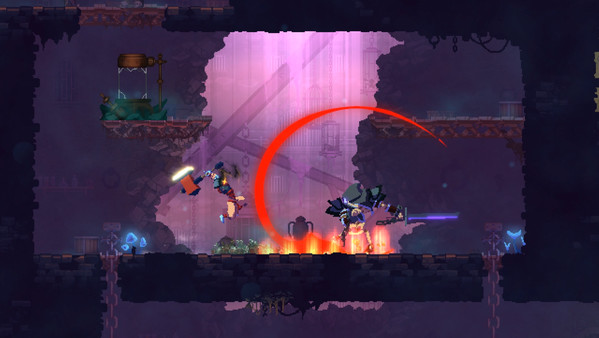
The combat system in Dead Cells is a tour de force, offering lightning-fast action that’s both challenging and immensely satisfying. The vast array of weapons and abilities, each with unique playstyles, provides endless opportunities for experimentation. Boss battles are intense, requiring quick reflexes and strategic thinking. The Steam Deck’s responsive controls handle the frenetic combat beautifully, making each encounter feel precise and rewarding. The game’s difficulty curve is well-balanced, offering a stern challenge that never feels unfair.

Ability Gating

Dead Cells takes an innovative approach to ability gating, tying permanent upgrades to the acquisition of Runes. These Runes unlock new movement abilities and access to previously blocked areas, encouraging players to explore thoroughly and tackle challenging areas to progress. This system works well with the game’s roguelite structure, as each run offers the potential for both immediate progress and long-term advancement. The Steam Deck’s portability enhances this aspect, allowing players to make meaningful progress in short bursts.

Replayability

In terms of replayability, Dead Cells is nearly unmatched in the Metroidvania genre. The combination of procedurally generated levels, a vast array of weapons and abilities to unlock, and multiple difficulty modes ensures that no two runs are ever the same. The game’s “just one more run” appeal is perfectly suited to the Steam Deck, allowing players to squeeze in quick sessions whenever they have a spare moment. Regular content updates and DLC expansions further extend the game’s longevity, providing players with new challenges and goals long after their initial playthrough.

Dead Cells represents the pinnacle of action-platforming Metroidvanias on the Steam Deck. Its fast-paced combat, endless variety, and roguelite elements create an experience that’s both deeply engaging and perfectly suited for portable play.


ENDER LILIES: Quietus of the Knights /rating:4.5

Ratings (Out of 5)

  • Story: Outstanding 5 /icon:star/rating:5
  • Exploration: Outstanding 5 /icon:star/rating:5
  • Combat: Great 4 /icon:star/rating:4
  • Ability Gating: Outstanding 5 /icon:star/rating:5
  • Replayability: Great 4 /icon:star/rating:4
  • Players: 1 /icon:gamepad/rating:1
  • Cross-Platform Play: No

Available on:

  • Steam Deck
  • PC
  • PlayStation 4
  • Xbox One
  • Nintendo Switch

Game Features

  • Atmospheric world design
  • Customizable abilities through spirit companions
  • Challenging boss encounters
  • Melancholic soundtrack
  • Metroidvania-style exploration

ENDER LILIES: Quietus of the Knights offers a hauntingly beautiful Metroidvania experience that shines on the Steam Deck’s vibrant display.

Story

ENDER LILIES weaves a melancholic tale of a world corrupted by a mysterious Rain of Death. The narrative unfolds through a combination of environmental storytelling, character interactions, and boss encounters. The story’s themes of hope amidst despair resonate strongly, creating an emotional journey that keeps players invested. The game’s approach to storytelling works well on the Steam Deck, allowing players to absorb the narrative at their own pace while exploring the haunting world.

Exploration

The world of Land’s End is a masterpiece of atmospheric design, with each area feeling distinct and memorable. The game encourages thorough exploration, rewarding players with ability upgrades, lore fragments, and stunning vistas. The map system is intuitive and well-suited to the Steam Deck’s screen, making navigation through the interconnected world a joy. The sense of discovery as players uncover new areas and secrets is palpable, making each play session feel like a new adventure.

Combat

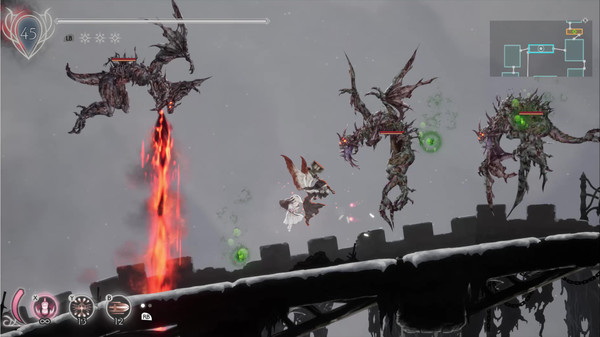
ENDER LILIES features a unique combat system that revolves around summoning spirit companions to fight alongside the protagonist, Lily. This approach offers a wide variety of playstyles and strategies, allowing players to customize their loadout to suit different situations. Boss battles are particularly noteworthy, offering challenging encounters that test both skill and strategy.

Ability Gating

The game excels in its approach to ability gating, gradually introducing new spirit companions that grant access to previously unreachable areas. Each new ability feels significant, often changing the way players approach both exploration and combat. The satisfaction of returning to earlier areas with new powers is a key part of the Metroidvania experience, and ENDER LILIES delivers this feeling in spades.

Replayability

While ENDER LILIES doesn’t feature procedurally generated elements, it offers substantial replay value through its multiple endings, challenging boss rush mode, and the ability to experiment with different spirit companion combinations. The game’s New Game+ mode adds further depth, allowing players to carry over their abilities and tackle the world with a different approach. These features make ENDER LILIES a game players can return to multiple times, always finding new ways to experience its haunting world.

ENDER LILIES: Quietus of the Knights stands out as a gem in the Metroidvania genre on the Steam Deck, with an atmospheric world, unique combat system, and emotional storytelling.


Nine Sols /rating:4.3

Ratings (Out of 5)

  • Story: Outstanding 5 /icon:star/rating:5
  • Exploration: Great 4 /icon:star/rating:4
  • Combat: Great 4 /icon:star/rating:4
  • Ability Gating: Great 4 /icon:star/rating:4
  • Replayability: Great 4 /icon:star/rating:4
  • Players: 1 /icon:gamepad/rating:1
  • Cross-Platform Play: No

Available On:

  • Steam Deck
  • PC

Game Features

  • Unique “Taopunk” setting
  • Challenging combat with deflection mechanics
  • Hand-drawn art style
  • Metroidvania-style exploration
  • Rich lore and world-building

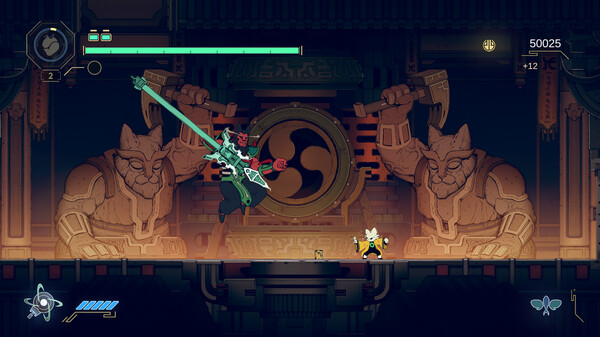
Nine Sols brings a fresh perspective to the Metroidvania genre with its blend of ancient Asian mythology and sci-fi elements, creating a truly unique gaming experience.

Story

Nine Sols presents a rich narrative set in a world where ancient Asian mythology meets futuristic technology. The story unfolds through a combination of character interactions, environmental storytelling, and lore discoveries. The game’s unique “Taopunk” setting creates a fascinating backdrop for the narrative, offering players a world that feels both familiar and alien. The depth of the lore and the gradual unveiling of the plot work well with the Steam Deck’s portability, allowing players to dive into the story in short bursts or longer sessions.

Exploration

The world of Nine Sols is a visual feast, with hand-drawn environments that bring the Taopunk setting to life. Each area is distinct, offering a mix of ancient ruins and futuristic technology that begs to be explored. The game encourages thorough investigation, rewarding players with lore fragments, ability upgrades, and hidden challenges. The Steam Deck’s screen showcases the game’s beautiful art style, making exploration a joy whether playing in handheld mode or docked.

Combat

Nine Sols features a combat system that emphasizes timing and precision, with a focus on deflection mechanics similar to games like Sekiro. This approach creates intense, skill-based encounters that require practice and patience to master. Boss battles are particularly challenging, serving as tests of both skill and understanding of the game’s mechanics. The Steam Deck’s responsive controls are well-suited to the precise inputs required, though some players may find the difficulty curve steep.

Ability Gating

The game takes a thoughtful approach to ability gating, introducing new powers and techniques that open up both combat options and exploration possibilities. Each new ability feels significant, often requiring players to rethink their approach to both navigation and combat. This system works well with the Steam Deck’s pick-up-and-play nature, as players can easily jump back in to test out new abilities in previously visited areas.

Replayability

While Nine Sols offers a more linear experience compared to some Metroidvania titles, it provides replay value through its challenging combat system, multiple difficulty options, and the depth of its lore. Players are encouraged to revisit areas with new abilities to uncover all of the game’s secrets and piece together the full story. The game’s unique setting and atmosphere also make it an experience worth revisiting, even after the main story is complete.

Nine Sols stands out as a unique entry in the Metroidvania genre. Its blend of challenging combat, beautiful art style, and intriguing Taopunk setting create an experience that’s both fresh and engaging for fans of the genre.


Animal Well /rating:4.1

Ratings (Out of 5)

  • Story: Great 4 /icon:star/rating:4
  • Exploration: Outstanding 5 /icon:star/rating:5
  • Combat: Good 3 /icon:star/rating:3
  • Ability Gating: Great 4 /icon:star/rating:4
  • Replayability: Great 4 /icon:star/rating:4
  • Players: 1 /icon:gamepad/rating:1
  • Cross-Platform Play: No

Available On:

  • Steam Deck
  • PC
  • PlayStation 5

Game Features

  • Surreal, dreamlike atmosphere
  • Puzzle-focused gameplay
  • Minimalist storytelling
  • Unique visual style
  • Hidden secrets and multiple endings

ANIMAL WELL offers a surreal and atmospheric take on the Metroidvania genre, providing a unique puzzle-platforming experience on the Steam Deck.

Story

ANIMAL WELL takes a minimalist approach to storytelling, relying on environmental cues and player interpretation to convey its narrative. The game’s surreal, dreamlike world creates an atmosphere of mystery and intrigue, encouraging players to piece together the story through exploration and discovery. This approach to narrative works well on the Steam Deck, allowing players to engage with the story at their own pace without breaking the immersive atmosphere.

Exploration

Exploration in ANIMAL WELL is a mesmerizing experience, with each area of the game’s interconnected world feeling like a living, breathing entity. The surreal environments are filled with hidden secrets and puzzles, rewarding observant players with new paths and revelations. The game’s unique visual style shines on the Steam Deck’s screen, creating a captivating atmosphere that draws players into its mysterious world. The joy of discovery is a core part of the experience, with each new area offering fresh challenges and surprises.

Combat

Unlike many Metroidvania games, ANIMAL WELL focuses more on puzzle-solving and environmental interaction than traditional combat. Players must use their wits and the items they discover to overcome obstacles and progress through the world. This approach creates a different kind of challenge, one that emphasizes problem-solving over reflexes.

Ability Gating

ANIMAL WELL takes a unique approach to ability gating, focusing on items and environmental interactions rather than traditional power-ups. Players must discover and learn to use various objects to access new areas and solve puzzles. This system creates a sense of gradual mastery over the game’s world, as players learn to see and interact with their surroundings in new ways. The Steam Deck’s portability complements this aspect of the game, allowing players to ponder puzzles and return with fresh perspectives.

Replayability

While ANIMAL WELL offers a more focused experience compared to some Metroidvania titles, it provides significant replay value through its multiple endings, hidden secrets, and the depth of its puzzle design. The game’s surreal nature and the subtle ways in which the world changes encourage multiple playthroughs to fully uncover all of its mysteries. The Steam Deck’s quick resume feature is particularly useful for ANIMAL WELL, allowing players to easily jump back in to experiment with new ideas or revisit puzzling areas.

ANIMAL WELL stands out as a unique and atmospheric entry in the Metroidvania genre. Its focus on puzzle-solving, surreal aesthetics, and minimalist storytelling create an experience that’s both challenging and deeply immersive.


In conclusion, these four games showcase the diversity and creativity within the Metroidvania genre on the Steam Deck. From the fast-paced, roguelite action of Dead Cells to the surreal puzzle-platforming of ANIMAL WELL, each title offers a unique experience that takes full advantage of the Steam Deck’s capabilities. Whether you’re looking for challenging combat, intricate exploration, or mind-bending puzzles, these games provide hours of engaging gameplay that’s perfect for both quick sessions and extended play. The Steam Deck’s portability enhances these Metroidvania experiences, allowing players to delve into these rich, interconnected worlds whenever and wherever they choose. These titles not only represent some of the best games to play on Steam Deck, but they also highlight why the Metroidvania genre continues to thrive on this versatile handheld platform. As you explore these best Steam Deck games, you’ll discover why Metroidvanias are an essential part of any Steam Deck owner’s collection.

/meta-title: Best Steam Deck Games (Metroidvania) Part Two

/meta-description: Discover even more of the best Steam Deck Games of the metroidvania genre that are all Steam Deck verified, ranked based on metrics such as story, combat, and ability gating.

Best Steam Deck Games (Metroidvania)

What are the best Steam Deck games in the metroidvania genre?

Metroidvania, a beloved sub-genre of action-adventure platformers, typically features a 2D or 2.5D perspective and emphasizes non-linear exploration. In this blog, we dive into the best Metroidvania games that are also among the best Steam Deck games, offering an unparalleled portable gaming experience. These titles showcase sprawling maps with distinct biomes and areas, where certain paths are initially inaccessible due to ability gating – a hallmark of the genre. As we explore these games, we’ll rank them based on metrics unique to the Metroidvania genre, helping you find your next favorite adventure for the Steam Deck. Whether you’re a long-time fan of Metroidvanias or new to the genre, this list of the best Metroidvania games for Steam Deck is sure to have something for everyone.

Story Exploration Combat Ability Gating
Replayability

Ori and the Will of the Wisps /rating:4.6

Ratings (Out of 5)

  • Story: Outstanding 5 /icon:star/rating:5
  • Exploration: Outstanding 5 /icon:star/rating:5
  • Combat: Outstanding 5 /icon:star/rating:5
  • Ability Gating: Great 4 /icon:star/rating:4
  • Replayability: Great 4 /icon:star/rating:4
  • Players: 1 /icon:gamepad/rating:1
  • Cross-Platform Play: No

Available On:

  • Steam Deck
  • PC
  • Xbox One
  • Xbox Series X/S
  • Nintendo Switch

Game Features

  • Single Player
  • Stunning hand-painted visuals
  • Emotional narrative
  • Fluid platforming and combat

Ori and the Will of the Wisps stands as a pinnacle of the Metroidvania genre, offering a breathtaking journey that’s perfectly suited for the Steam Deck’s portable prowess.

Story

The narrative of Ori and the Will of the Wisps weaves an emotional tapestry that captivates from start to finish. Building upon the foundation laid by its predecessor, the game tells a tale of hope, sacrifice, and the bonds that tie us together. The story unfolds organically through environmental storytelling and poignant cutscenes, never interrupting the flow of gameplay. This seamless integration of narrative and action creates an immersive experience that’s ideal for the pick-up-and-play nature of the Steam Deck.

Exploration

Venturing through the lush, hand-painted world of Niwen is a joy that showcases the Steam Deck’s vibrant display. Each area feels distinct and alive, teeming with secrets and hidden paths that beckon to be uncovered. The game’s masterful level design encourages thorough exploration, rewarding curious players with upgrades, lore tidbits, and breathtaking vistas. The sense of discovery is palpable, making every play session feel like a new adventure.

Combat

Ori’s combat system is a ballet of light and motion, perfectly tuned for the Steam Deck’s controls. The fluid, acrobatic battles require quick reflexes and strategic thinking, offering a satisfying challenge that never feels unfair. As players progress, they unlock an array of abilities that seamlessly integrate into both combat and exploration, creating a sense of constant growth and empowerment. The responsive controls of the Steam Deck enhance this experience, making every encounter feel precise and exhilarating.

Ability Gating

The progression system in Ori and the Will of the Wisps is a masterclass in ability gating. New skills are introduced at a steady pace, each one opening up previously inaccessible areas in a way that feels natural and rewarding. The game strikes a perfect balance between guiding the player forward and allowing for backtracking to discover secrets with newly acquired abilities. This design philosophy enables players to make meaningful progress in both short bursts or long sessions alike.

Replayability

While the main story of Ori and the Will of the Wisps can be completed in a relatively short time, the game offers numerous reasons to return to its enchanting world. From speed-running challenges to collecting every last secret, there’s always something new to discover. The addition of Spirit Trials and combat shrines provides extra challenges for players seeking to test their skills. These elements, combined with the game’s emotional impact, make it a title that players will want to revisit time and time again on their Steam Deck.

Ori and the Will of the Wisps is a testament to the potential of Metroidvania games on the Steam Deck. Its stunning visuals, engaging gameplay, and touching story create an experience that’s both deeply immersive and perfectly suited for portable play.


Bloodstained: Ritual of the Night /rating:4.4

Ratings (Out of 5)

  • Story: Great 4 /icon:star/rating:4
  • Exploration: Great 4 /icon:star/rating:4
  • Combat: Great 4 /icon:star/rating:4
  • Ability Gating: Outstanding 5 /icon:star/rating:5
  • Replayability: Great 4 /icon:star/rating:4
  • Players: 2 /icon:gamepad/rating:2
  • Cross-Platform Play: Yes

Available on:

  • Steam Deck
  • PC
  • PlayStation 4
  • Xbox One
  • Nintendo Switch
  • iOS
  • Android

Game Features

  • Single Player
  • Local co-op
  • Vast castle to explore
  • RPG elements and crafting
  • Multiple playable characters
  • Regular content updates

Bloodstained: Ritual of the Night brings the classic Castlevania formula into the modern era, offering a robust Metroidvania experience that shines on the Steam Deck.

Story

The narrative of Bloodstained weaves a dark tale of alchemy, demons, and revenge. While it may not break new ground in storytelling, the game’s plot provides a solid foundation for its gothic adventure. Character interactions and boss encounters are well-written, offering enough intrigue to keep players invested as they explore the sprawling castle. The story’s pacing aligns well with the exploration-based gameplay, making it an engaging experience where players can easily pick up where they left off.

Exploration

Bloodstained’s castle is a labyrinthine marvel, filled with secrets and hidden areas that reward thorough exploration. The diverse environments, ranging from opulent halls to eerie laboratories, create a sense of constant discovery. The game’s map system is intuitive and well-suited to the Steam Deck’s screen, allowing players to easily track their progress and plan their next move. The joy of uncovering new areas and shortcuts is a core part of the Metroidvania experience, and Bloodstained delivers this in spades.

Combat

The combat system in Bloodstained is deep and satisfying, offering a wide array of weapons and abilities to master. From swords and whips to magical shards, players have a vast arsenal at their disposal. The variety of enemy types and challenging boss battles keep the combat engaging throughout the game. The Steam Deck’s controls handle the action smoothly, making even the most intense encounters feel responsive and fair. The addition of RPG elements, such as leveling and equipment crafting, adds further depth to the combat experience.

Ability Gating

Bloodstained excels in its approach to ability gating, gradually introducing new powers that open up previously inaccessible areas. The acquisition of abilities feels meaningful, with each new power significantly expanding the player’s options for both exploration and combat. The game encourages backtracking without making it feel tedious, as new abilities often reveal exciting secrets in familiar areas.

Replayability

With multiple playable characters, a New Game+ mode, and regular content updates, Bloodstained offers substantial replay value. The game’s crafting system and shard abilities provide numerous ways to approach combat and exploration, encouraging experimentation across multiple playthroughs. Additionally, the inclusion of challenge rooms and boss rush modes offers extra content for players seeking to test their skills. These features make Bloodstained a game players can return to time and time again, always finding something new to discover.

Bloodstained: Ritual of the Night offers a deep and engaging Metroidvania experience that’s perfectly suited for the Steam Deck. Its combination of classic gameplay elements with modern refinements creates a game that both honors its roots and pushes the genre forward.


Castlevania Advance Collection /rating:4.4

Ratings (Out of 5)

  • Story: Good 3 /icon:star/rating:3
  • Exploration: Outstanding 5 /icon:star/rating:5
  • Combat: Great 4 /icon:star/rating:4
  • Ability Gating: Outstanding 5 /icon:star/rating:5
  • Replayability: Outstanding 5 /icon:star/rating:5
  • Players: 1 /icon:gamepad/rating:1
  • Cross-Platform Play: No

Available On:

  • Steam Deck
  • PC
  • PlayStation 4
  • Xbox One
  • Nintendo Switch

Game Features

  • Single player
  • Collection of three classic Castlevania games
  • Enhanced with modern features
  • Multiple playable characters
  • Rewind and save state functions
  • Art gallery and music player

The Castlevania Advance Collection brings three beloved Game Boy Advance titles to the Steam Deck, offering a nostalgic yet refined Metroidvania experience.

Story

While the narrative depth varies across the three games, each title in the collection offers a compelling gothic tale. From Aria of Sorrow’s innovative soul system to Harmony of Dissonance’s exploration of the Belmont legacy, the stories provide enough intrigue to drive the action forward. The collection’s ability to save progress at any point makes it easy for Steam Deck users to engage with the narratives in short bursts, perfect for on-the-go gaming.

Exploration

Exploration is at the heart of these classic Castlevania titles, and the Advance Collection shines in this regard. Each game features intricately designed castles filled with secrets and hidden areas. The Steam Deck’s screen perfectly showcases the detailed pixel art, making navigation through the labyrinthine levels a joy. The addition of a map overlay feature enhances the exploration experience, allowing players to easily track their progress without interrupting gameplay.

Combat

The combat in the Castlevania Advance Collection is a testament to the series’ enduring appeal. Each game offers a unique twist on the classic whip-based combat, from Circle of the Moon’s DSS card system to Aria of Sorrow’s soul absorption mechanic. The variety of weapons and abilities across the three games provides a rich combat experience that remains engaging throughout. The Steam Deck’s controls handle the precise movements required for Castlevania combat with ease, making boss battles and enemy encounters feel responsive and satisfying.

Ability Gating

Ability gating is a cornerstone of the Metroidvania genre, and the Castlevania Advance Collection exemplifies this mechanic. Each game in the collection features a well-paced progression system, gradually introducing new abilities that open up previously inaccessible areas. The satisfaction of returning to earlier sections with new powers is a key part of the Metroidvania experience, and these games deliver that feeling in spades.

Replayability

The Castlevania Advance Collection offers exceptional replay value, with three full games to explore. Each title features multiple endings, encouraging players to replay with different strategies or to uncover all the secrets. The inclusion of additional features like a music player and art gallery adds to the collection’s value. The ability to rewind gameplay and create save states at any point makes it easy for players to experiment with different approaches or tackle challenging sections without frustration.

The Castlevania Advance Collection is a must-have for Metroidvania fans. It offers a perfect blend of nostalgia and modern convenience, bringing three classic titles to life in a format that’s ideal for portable play.


Blasphemous /rating:4.2

Ratings (Out of 5)

  • Story: Great 4 /icon:star/rating:4
  • Exploration: Great 4 /icon:star/rating:4
  • Combat: Outstanding 5 /icon:star/rating:5
  • Ability Gating: Great 4 /icon:star/rating:4
  • Replayability: Great 4 /icon:star/rating:4
  • Players: 1 /icon:gamepad/rating:1
  • Cross-Platform Play: No

Available On:

  • Steam Deck
  • PC
  • PlayStation 4
  • Xbox One
  • Nintendo Switch

Game Features

  • Single Player
  • Dark, gothic atmosphere
  • Punishing combat
  • Rich lore and symbolism

Blasphemous brings a unique, dark fantasy twist to the Metroidvania genre, offering a challenging and atmospheric experience that’s well-suited to the Steam Deck.

Story

Blasphemous weaves a cryptic tale steeped in religious symbolism and gothic horror. The narrative unfolds through environmental storytelling, character interactions, and item descriptions, rewarding attentive players with a rich, layered plot. While the story can be obtuse at times, its mysterious nature encourages exploration and interpretation, making it an engaging experience for Steam Deck users who can delve into the lore at their own pace.

Exploration

The world of Cvstodia is a haunting, beautifully crafted landscape that begs to be explored. Each area is distinct, filled with hidden paths, challenging platforming sections, and secrets waiting to be uncovered. The game’s map system is comprehensive, aiding navigation without holding the player’s hand. The Steam Deck’s portable nature complements this aspect of the game, allowing players to easily pick up where they left off and continue their exploration of this intricate world.

Combat

Combat in Blasphemous is brutal and unforgiving, requiring precision and timing. The Penitent One’s sword combat is supplemented by a variety of unlockable abilities and prayers, offering depth and strategy to encounters. Boss battles are particularly challenging, serving as intense tests of skill and patience. The Steam Deck’s responsive controls are well-suited to the game’s demanding combat, allowing for precise movements and parries. While the difficulty may be off-putting to some, those seeking a challenge will find the combat deeply satisfying.

Ability Gating

Blasphemous takes a unique approach to ability gating, focusing more on items and relics that grant access to new areas rather than traditional power-ups. This system encourages thorough exploration and adds a layer of puzzle-solving to progression. The game strikes a balance between guiding the player and allowing for non-linear exploration, a design choice that works well with the Steam Deck’s pick-up-and-play nature. Discovering a new relic and immediately being able to access previously blocked areas is a rewarding experience that keeps the gameplay fresh.

Replayability

With multiple endings, a New Game+ mode, and various side quests and secrets to uncover, Blasphemous offers significant replay value. The game’s challenging nature encourages players to refine their skills across multiple playthroughs. Additionally, post-launch content updates have added new areas and gameplay modes, further extending the game’s longevity. These features make Blasphemous a game that players can return to repeatedly, always finding new challenges or uncovering missed secrets.

Blasphemous stands out in the Metroidvania genre with its unique aesthetic and punishing gameplay. Its dark, atmospheric world and challenging combat make it a compelling choice for Steam Deck users looking for a more hardcore Metroidvania experience.


Rain World /rating:3.8

Ratings (Out of 5)

  • Story: Good 3 /icon:star/rating:3
  • Exploration: Outstanding 5 /icon:star/rating:5
  • Combat: Good 3 /icon:star/rating:3
  • Ability Gating: Great 4 /icon:star/rating:4
  • Replayability: Great 4 /icon:star/rating:4
  • Players: 1 /icon:gamepad/rating:1
  • Cross-Platform Play: No

Available On:

  • Steam Deck
  • PC
  • PlayStation 4
  • Nintendo Switch

Game Features

  • Single Player
  • Unique ecosystem simulation
  • Procedurally generated weather
  • Stealth and survival elements
  • Minimalist storytelling

Rain World offers a distinctive take on the Metroidvania formula, blending survival elements with open-ended exploration in a harsh, living world.

Story

Rain World’s narrative is subtle and environmental, told primarily through the player’s interactions with the world and its inhabitants. While the story may lack the depth of other Metroidvania titles, its minimalist approach creates a sense of mystery that encourages players to piece together the world’s history. The game’s focus on survival and exploration aligns well with its sparse storytelling, making it an intriguing experience for players who enjoy uncovering narrative threads at their own pace.

Exploration

Exploration in Rain World is both its greatest strength and most significant challenge. The game’s vast, interconnected world is filled with diverse environments, from industrial ruins to lush ecosystems. Each area feels alive, with dynamic weather systems and a complex food chain that operates independently of the player. The Steam Deck’s portability enhances the exploration experience, allowing players to navigate this harsh world in short bursts or extended sessions. However, the lack of a traditional map system and the game’s unforgiving nature may frustrate some players, leading to a lower score in this category.

Combat

Rain World’s approach to combat is unconventional, focusing more on evasion and environmental manipulation than direct confrontation. As a small, vulnerable creature in a hostile world, players must use stealth and quick thinking to survive. While this system creates tense, memorable encounters, it may not satisfy players looking for more traditional Metroidvania combat. Whilst the Steam Deck’s controls handle the game’s precise movements well, the challenging nature of survival in Rain World’s ecosystem can be frustrating at times.

Ability Gating

Unlike many Metroidvania games, Rain World’s progression is less about acquiring new abilities and more about learning to navigate and survive in different environments. While players can discover new tools and techniques, the game’s open-ended nature means that skill and knowledge are the primary gates to progression. This approach fits well with the Steam Deck’s portability, allowing players to gradually improve their understanding of the world across multiple play sessions. However, the lack of traditional ability gating may disappoint some Metroidvania purists.

Replayability

Rain World’s procedurally generated elements and multiple endings offer significant replay value. Each playthrough can offer a unique experience, with different weather patterns and creature behaviors affecting the player’s journey. The game’s challenging nature encourages multiple attempts, with each run potentially revealing new secrets or strategies. Additionally, the inclusion of different playable creatures in post-launch updates adds further variety to subsequent playthroughs. These features make Rain World a game that Steam Deck owners can return to repeatedly, always finding new challenges in its harsh, beautiful world.

Rain World stands as a unique entry in the Metroidvania genre, offering an experience that’s as challenging as it is rewarding. Its focus on survival and ecosystem simulation sets it apart from more traditional titles, making it an intriguing choice for players seeking a different kind of Metroidvania adventure.


In conclusion, the five Metroidvania games highlighted offer a rich variety of experiences that showcase the genre’s depth and creativity on the Steam Deck. Each title excels in its own right, whether through stunning visuals, engaging combat, or intricate exploration, making them perfect for both casual and dedicated gamers. The Steam Deck’s portability enhances these experiences, allowing players to dive into expansive worlds filled with secrets and challenges at their convenience. Whether you’re seeking emotional storytelling or challenging gameplay, these games provide unforgettable adventures that are ideal for on-the-go gaming!

/meta-title: Best Steam Deck Games (Metroidvania)

/meta-description: Discover some of the best Steam Deck Games of the metroidvania genre that are all Steam Deck verified, ranked based on metrics such as story, combat, and ability gating.

Best Cozy Games On Steam That Are Spooky RPGs

What are the best cosy games on steam that are also spooky RPG games on Steam in 2024?

Craving a spooky twist on your cozy gaming experience? Steam’s diverse library offers a unique selection of cozy games that blend comfort with a dash of the macabre, perfect for alt cozy fans and the upcoming spooky season. In this comprehensive guide, we’ll explore the best cozy games on Steam, featuring creepy RPGs that promise to deliver both charm and chills. Whether you’re seeking the best Steam Deck game to enjoy on the go or simply want to unwind with some eerie adventures, we’ve curated a list of five standout titles that masterfully combine cozy elements with haunting atmospheres. Get ready to discover games that will whisk you away to enchanting worlds while keeping you on the edge of your seat!

Progression Story Depth Atmosphere Character Development
Graphics

Fran Bow /rating:4.6

Ratings (Out of 5)

  • Progression: Great 4 /icon:star/rating:4
  • Story Depth: Outstanding 5 /icon:star/rating:5
  • Atmosphere: Outstanding 5 /icon:star/rating:5
  • Character Development: Great 4 /icon:star/rating:4
  • Graphics: Outstanding 5 /icon:star/rating:5
  • Players: 1 /icon:gamepad/rating:1
  • Cross-Platform Play: No

Available On:

  • PC (Steam)
  • Nintendo Switch
  • iOS
  • Android

Game Features

  • Single Player
  • Point-and-click adventure gameplay
  • Puzzle-solving
  • Dark, psychological storytelling

Fran Bow stands out as a pinnacle of cozy-spooky RPGs, offering a deeply unsettling yet strangely comforting adventure. This point-and-click psychological horror game follows the journey of a young girl navigating between reality and a disturbing dream world.

Progression

Fran Bow’s progression system is a masterclass in balancing relaxation with creeping dread. As players guide Fran through her surreal journey, the game maintains a steady pace that allows for exploration and puzzle-solving without feeling rushed. The ability to switch between reality and the nightmarish alternate world provides a unique twist on progression, allowing players to uncover new paths and solutions at their own pace. This mechanic creates a sense of discovery that’s both exciting and unsettling, perfectly capturing the essence of a cozy-spooky RPG.

Story Depth

The narrative of Fran Bow is where the game truly shines, weaving a tale that’s as disturbing as it is touching. The story delves into themes of mental health, loss, and the blurred lines between reality and imagination. As players unravel the mysteries surrounding Fran’s past and her current predicament, they’re treated to a narrative that’s both deeply unsettling and surprisingly heartwarming. The game’s ability to maintain a sense of coziness amidst its darker themes is remarkable, creating a story that lingers in the mind long after the credits roll.

Atmosphere

Fran Bow excels in crafting an atmosphere that seamlessly blends cozy and spooky elements. The game’s world is a surreal mix of childlike wonder and nightmarish imagery, creating an environment that’s simultaneously comforting and unsettling. The ability to switch between the “normal” world and its darker counterpart adds a layer of depth to the atmosphere, allowing players to experience the contrast between cozy and creepy in real-time. This unique approach to world-building results in an immersive experience that keeps players on the edge of their seats while still providing moments of warmth and comfort.

Character Development

The character development in Fran Bow is both nuanced and compelling. Fran herself is a wonderfully complex protagonist, with players witnessing her growth and resilience in the face of unimaginable circumstances. The supporting cast, from the mysterious Mr. Midnight to the various beings Fran encounters, are all well-realized and contribute significantly to the game’s narrative. While the focus is primarily on Fran’s journey, the interactions with other characters provide depth and context to her story, creating a rich tapestry of relationships that enhance the overall experience.

Graphics

Visually, Fran Bow is a stunning achievement in the cozy-spooky genre. The hand-drawn art style is both charming and unsettling, perfectly capturing the game’s dual nature. Characters and environments are rendered with intricate detail, bringing the surreal world to life in vivid, sometimes disturbing clarity. The use of color is particularly noteworthy, with the “normal” world featuring warm, comforting tones that contrast sharply with the muted, eerie palette of the alternate reality. This visual dichotomy not only enhances the gameplay but also contributes significantly to the overall atmosphere.

Fran Bow offers a unique and unforgettable experience in the cozy-spooky RPG genre. Its masterful blend of unsettling themes with moments of warmth and comfort creates a game that’s both deeply engaging and surprisingly cozy. For players seeking a thought-provoking adventure that balances horror with heart, Fran Bow is an essential title.


Cult Of The Lamb /rating:4.2

Ratings (Out of 5)

  • Progression: Great 4 /icon:star/rating:4
  • Story Depth: Great 4 /icon:star/rating:4
  • Atmosphere: Outstanding 5 /icon:star/rating:5
  • Character Development: Good 3 /icon:star/rating:3
  • Graphics: Outstanding 5 /icon:star/rating:5
  • Players: Up to 2 /icon:gamepad/rating:2
  • Cross-Platform Play: No

Available on:

  • PC (Steam)
  • Nintendo Switch
  • PlayStation 4
  • PlayStation 5
  • Xbox One
  • Xbox Series X|S

Game Features

  • Single Player
  • Local Co-op
  • Roguelike dungeon crawling with combat
  • Cult management and base building
  • Resource gathering and crafting
  • Follower management
  • Twitch integration for streamers

Cult of the Lamb emerges as a delightful surprise in the cozy-spooky RPG genre, offering a unique blend of cute aesthetics and dark themes. This roguelike action-adventure game puts players in the role of a possessed lamb building a cult in a world of false prophets.

Progression

The progression system in Cult of the Lamb strikes an impressive balance between relaxing management and spooky dungeon crawling. As players build and manage their cult, they experience a satisfying sense of growth and expansion. The base-building aspects provide a cozy counterpoint to the more intense roguelike sections, allowing players to alternate between relaxing town management and thrilling combat encounters. This dual nature of progression keeps the game engaging without becoming overwhelming, perfectly embodying the cozy-spooky ethos.

Story Depth

Cult of the Lamb’s narrative weaves a tale that’s both whimsical and sinister. The story explores themes of faith, power, and corruption, all through the lens of adorable animal characters. As players uncover the secrets of the game’s world and the origins of their cult, they’re treated to a narrative that’s surprisingly deep and often unsettling. The game’s ability to maintain a lighthearted tone while dealing with darker themes is commendable, creating a story that’s both accessible and thought-provoking.

Atmosphere

Where Cult of the Lamb truly excels is in its atmosphere. The game masterfully blends cute, cuddly aesthetics with dark, occult themes, creating a world that’s simultaneously charming and unnerving. The contrast between the adorable cult members and the eldritch horrors they worship adds a layer of cognitive dissonance that enhances the overall spooky-cozy vibe. From the cheerful camp management to the foreboding dungeons, every aspect of the game contributes to its unique atmosphere.

Character Development

While character development isn’t the primary focus of Cult of the Lamb, the game still offers interesting growth opportunities for both the player character and cult members. As the cult leader, players can shape their followers’ beliefs and abilities, adding a layer of personalization to the experience. The various NPCs encountered throughout the game, from rival cult leaders to mysterious forest dwellers, add depth to the world. However, the emphasis on gameplay over deep character arcs means that individual character development is somewhat limited.

Graphics

Visually, Cult of the Lamb is a feast for the eyes. The game’s art style is a perfect embodiment of the cozy-spooky genre, featuring adorable character designs set against backdrops that range from cheerful to creepy. The attention to detail in both the cult camp and the procedurally generated dungeons is impressive, with each area feeling distinct and alive. The use of color and lighting is particularly noteworthy, with the game effortlessly transitioning between warm, inviting tones and darker, more ominous palettes.

Cult of the Lamb offers a unique and engaging experience in the cozy-spooky RPG genre. Its blend of cute aesthetics with dark themes, combined with satisfying gameplay loops, creates a game that’s both comforting and unsettling. For players seeking a fresh take on the genre that balances management sim coziness with roguelike spookiness, Cult of the Lamb is an excellent choice.


Undertale /rating:4

Ratings (Out of 5)

  • Progression: Good 3 /icon:star/rating:3
  • Story Depth: Outstanding 5 /icon:star/rating:5
  • Atmosphere: Great 4 /icon:star/rating:4
  • Character Development: Outstanding 5 /icon:star/rating:5
  • Graphics: Good 3 /icon:star/rating:3
  • Players: 1 /icon:gamepad/rating:1
  • Cross-Platform Play: No

Available On:

  • PC (Steam)
  • Nintendo Switch
  • PlayStation 4
  • Xbox One

Game Features

  • Single player
  • Unique combat system with option to spare enemies
  • Multiple endings
  • Puzzle-solving elements

Undertale stands as a beloved indie classic that has redefined expectations in the RPG genre, offering a unique blend of heartwarming interactions and unsettling moments. This retro-style RPG subverts traditional gaming tropes, creating an experience that’s both cozy and occasionally spine-chilling.

Progression

Undertale’s progression system is unconventional, focusing more on player choices and moral decisions than traditional leveling. The game’s approach to advancement is relaxed, allowing players to explore and interact with the world at their own pace. While not overtly spooky, the progression takes unexpected turns that can be unsettling, especially as players realize the consequences of their actions. The balance between cozy character interactions and the looming sense of consequence creates a unique progression experience that keeps players engaged and sometimes on edge.

Story Depth

The narrative of Undertale is where the game truly shines, offering a story that’s both deeply emotional and surprisingly dark. As players navigate the underground world of monsters, they uncover layers of lore and personal histories that are both heartwarming and haunting. The game’s ability to switch between lighthearted humor and profound, sometimes disturbing revelations is masterful. The multiple endings and hidden storylines add depth and replayability, encouraging players to explore different approaches and uncover the full scope of the narrative.

Atmosphere

Undertale excels in creating an atmosphere that’s predominantly cozy but punctuated by moments of genuine unease. The game’s world is filled with charming characters and whimsical locations, fostering a sense of comfort and belonging. However, this coziness is regularly disrupted by encounters and revelations that can be deeply unsettling. The juxtaposition of friendly monsters with occasional glimpses of horror creates a unique atmosphere that keeps players both comforted and on their toes.

Character Development

Character development is a cornerstone of Undertale’s experience. Each character, from the protagonist to the various monsters encountered, is well-developed with distinct personalities and backstories. The game allows players to form deep connections with these characters, making every interaction meaningful. The way characters evolve based on player choices adds a layer of depth to the relationships, creating emotional investment that enhances both the cozy and spooky aspects of the game.

Graphics

Visually, Undertale opts for a simple, retro-inspired pixel art style. While not technically impressive, the graphics serve the game’s purposes well. Character designs are memorable and expressive, capable of conveying a wide range of emotions despite their simplicity. The game’s visual style contributes to its overall charm, with the basic graphics sometimes making the more unsettling moments even more impactful through contrast. While not as visually striking as some other entries in the cozy-spooky genre, Undertale’s graphics effectively support its unique atmosphere and storytelling.

Undertale offers a one-of-a-kind experience in the cozy-spooky RPG genre. Its innovative approach to storytelling, character development, and player choice creates a game that’s both heartwarming and occasionally chilling. For players seeking a thought-provoking adventure that challenges gaming conventions while delivering both comfort and creepiness, Undertale is an essential title.


Little Misfortune /rating:4

Ratings (Out of 5)

  • Progression: Good 3 /icon:star/rating:3
  • Story Depth: Great 4 /icon:star/rating:4
  • Atmosphere: Great 4 /icon:star/rating:4
  • Character Development: Great 4 /icon:star/rating:4
  • Graphics: Outstanding 5 /icon:star/rating:5
  • Players: 1 /icon:gamepad/rating:1
  • Cross-Platform Play: No

Available On:

  • PC (Steam)
  • Nintendo Switch
  • PlayStation 4
  • Xbox One

Game Features

  • Single Player
  • Point-and-click adventure gameplay
  • Choice-based narrative
  • Character interactions
  • Dark humor and mature themes

Little Misfortune presents a darkly whimsical adventure that balances childlike innocence with mature, often unsettling themes. This point-and-click narrative game follows the journey of a young girl seeking happiness in a world that’s far more sinister than it first appears.

Progression

The progression in Little Misfortune is linear but engaging, guiding players through a series of choices that shape Misfortune’s adventure. While not as open-ended as some RPGs, the game’s progression feels relaxed, allowing players to explore and interact with the environment at their own pace. The journey from seemingly innocent beginnings to increasingly disturbing scenarios creates a unique sense of advancement that’s both cozy in its familiarity and spooky in its revelations.

Story Depth

Little Misfortune’s narrative is a masterclass in balancing dark themes with childlike wonder. The story delves into heavy topics such as neglect, abuse, and the loss of innocence, all viewed through the lens of its naive protagonist. This approach creates a narrative that’s simultaneously heartwarming and deeply unsettling. The game’s ability to maintain Misfortune’s innocence while exposing players to increasingly disturbing elements results in a story that’s both emotionally impactful and genuinely creepy.

Atmosphere

The atmosphere in Little Misfortune is where the game truly shines in its blend of cozy and spooky elements. The world is presented through Misfortune’s eyes, filled with glitter, unicorns, and childish wonder. However, this sweet exterior is constantly undercut by darker elements that become more prominent as the game progresses. The juxtaposition of Misfortune’s cheerful narration with the increasingly ominous surroundings creates an atmosphere that’s uniquely unsettling while maintaining a thread of coziness through the protagonist’s unwavering optimism.

Character Development

Character development in Little Misfortune focuses primarily on the titular protagonist, with players witnessing her journey and growth throughout the game. Misfortune’s character is well-realized, with her innocence and resilience in the face of a dark world forming the emotional core of the game. While other characters are less developed, they serve to highlight different aspects of Misfortune’s personality and the world she inhabits. The way Misfortune’s character evolves, or in some ways remains unchanged, in response to the events of the game adds depth to the narrative and enhances both the cozy and spooky elements of the experience.

Graphics

Visually, Little Misfortune is a treat that perfectly encapsulates the game’s dual nature. The art style is charming and colorful, with a storybook quality that reflects Misfortune’s childlike perspective. Character designs are expressive and memorable, particularly Misfortune herself. The use of color and lighting is particularly effective, with the game’s palette shifting subtly to reflect the changing tone of the narrative. The contrast between the cute, colorful foreground elements and the often dark, foreboding backgrounds creates a visual dissonance that enhances the game’s unsettling atmosphere.

Little Misfortune offers a unique and memorable experience in the cozy-spooky RPG genre. Its blend of childlike wonder with dark, mature themes creates a game that’s both endearing and deeply unsettling. For players seeking an emotionally resonant adventure that challenges perceptions and delivers both comfort and creepiness, Little Misfortune is a standout title.


Ravenous Devils /rating:3.4

Ratings (Out of 5)

  • Progression: Good 3 /icon:star/rating:3
  • Story Depth: Great 4 /icon:star/rating:4
  • Atmosphere: Good 3 /icon:star/rating:3
  • Character Development: Good 3 /icon:star/rating:3
  • Graphics: Great 4 /icon:star/rating:4
  • Players: 1 /icon:gamepad/rating:1
  • Cross-Platform Play: No

Available On:

  • PC (Steam)
  • Nintendo Switch
  • PlayStation 4
  • Xbox One

Game Features

  • Single Player
  • Management simulation
  • Dark humor and mature themes
  • Resource management and crafting

Ravenous Devils offers a macabre twist on the management sim genre, blending dark humor with genuinely unsettling themes. This horror cooking sim puts players in charge of a Victorian-era tailor shop and pie emporium with a gruesome secret, creating a unique experience that’s more spooky than cozy.

Progression

The progression system in Ravenous Devils revolves around expanding and improving your nefarious business operations. Players gradually unlock new recipes, equipment, and business opportunities as they navigate the dark underbelly of Victorian London. While the progression is satisfying, it leans more heavily on the spooky side, with each advancement deepening the player’s involvement in the game’s grim activities. The balance between relaxing management gameplay and the unsettling nature of the business creates a progression that’s engaging but may be too dark for those seeking a truly cozy experience.

Story Depth

Ravenous Devils weaves a tale that’s as disturbing as it is intriguing. The narrative explores themes of desperation, morality, and the lengths people will go to for success. As players uncover more about the protagonists’ past and the dark world they inhabit, they’re treated to a story that’s rich in dark humor and gothic horror elements. The game’s ability to maintain a sense of grim fascination while dealing with truly horrific themes is noteworthy, creating a narrative that’s compelling despite (or perhaps because of) its macabre nature.

Atmosphere

Where Ravenous Devils struggles to fit the cozy-spooky mold is in its atmosphere. The game leans heavily into its spooky and macabre elements, creating an environment that’s more unsettling than comforting. The Victorian setting is well-realized, with a gloomy, oppressive ambiance that perfectly suits the game’s themes. However, the constant presence of gore and the nature of the protagonists’ business means that moments of coziness are few and far between. The game’s atmosphere is undeniably effective in creating a sense of dread and dark humor, but it may be too intense for players seeking a more balanced cozy-spooky experience.

Character Development

Character development in Ravenous Devils focuses primarily on the main protagonists, Percival and Hildred. While their backstory and motivations are gradually revealed throughout the game, the nature of their actions limits the depth of emotional connection players can form with them. The supporting characters and customers serve more as props for the protagonists’ schemes rather than fully developed individuals. This approach fits the game’s dark tone but may leave players wanting more in terms of character growth and relationships.

Graphics

Visually, Ravenous Devils captures the grim atmosphere of Victorian London with impressive detail. The pixel art style is used effectively to create a world that’s both charming in its nostalgic aesthetic and disturbing in its content. The character designs, particularly of Percival and Hildred, are memorable and fit well within the game’s gothic horror theme. The animations, especially those depicting the more gruesome aspects of the business, are disturbingly well-executed, contributing significantly to the game’s unsettling atmosphere. While the graphics serve the game’s themes well, they may be too graphic for some players, pushing the boundaries of what can be considered “cozy” in the cozy-spooky genre.

Ravenous Devils offers a unique and darkly humorous take on the management sim genre. Its blend of time management gameplay with macabre themes creates an experience that’s more spooky than cozy. While it may not appeal to all fans of cozy games, those with a taste for dark humor and gothic horror will find a compelling, if unsettling, experience in this grisly tale of entrepreneurship gone wrong.


In conclusion, the cozy-spooky RPGs highlighted in this blog showcase the delightful blend of warmth and eerie themes that can create a captivating gaming experience. From the emotional depth of Fran Bow to the charming yet dark world of Cult of the Lamb, each title offers unique narratives and atmospheres that invite players to explore the balance between comfort and creepiness. Whether you’re seeking heartfelt stories or whimsical adventures with a twist, these games provide a perfect escape into worlds where coziness and spookiness coexist beautifully.

/meta-title: Best Cozy Games On Steam (Spooky RPGs)

/meta-description: Discover some of the best cozy yet spooky games available on Steam Deck and PC in 2024 ranked based on on metrics such as progression, story depth and atmosphere.

Best Cozy Games On Steam That Are RPG Games

What are the best cosy RPG games on Steam in 2024?

Seeking a digital sanctuary that marries the warmth of cozy games with the immersion of RPGs? Steam’s extensive catalogue boasts a wealth of titles that seamlessly blend laid-back gameplay with rich narratives and character growth. In this comprehensive guide, we’ll delve into five exceptional cozy RPGs made even better by the ability to play them on the steam deck; assessing them based on key elements that define both the cozy and RPG genres. Expect ratings based on how relaxing and easy the gameplay progression is, or how deep and cozy the story is!

Progression Story Depth Combat Character Development
Graphics

Rune Factory 4 Special /rating:4.5

Ratings (Out of 5)

  • Progression: Outstanding 5 /icon:star/rating:5
  • Story Depth: Great 4 /icon:star/rating:4
  • Combat: Great 4 /icon:star/rating:4
  • Character Development: Outstanding 5 /icon:star/rating:5
  • Graphics: Great 4 /icon:star/rating:4
  • Players: 1 /icon:gamepad/rating:1
  • Cross-Platform Play: No

Available On:

  • Nintendo Switch
  • Steam Deck
  • PC
  • PlayStation 4
  • Xbox One

Game Features

  • Single Player
  • Farming simulation
  • Dungeon exploration
  • Relationship building (including marriage)
  • Crafting

Check out our previous blog on Rune Factory 4 Special here!

Rune Factory 4 Special emerges as a shining example of cozy RPGs, offering an unparalleled fusion of farming simulation, relationship building, and classic RPG elements. This enhanced version of the beloved 3DS game brings its charm to PC, delivering a multifaceted gameplay experience that’s both soothing and captivating.

Progression

In Rune Factory 4 Special, advancement feels like a gentle stroll rather than a frantic race. Players can cultivate their skills at a leisurely pace, be it through tending crops, crafting items, or exploring mysterious dungeons. The game never imposes a sense of urgency, allowing for a stress-free journey as you gradually enhance your abilities and expand your agricultural domain. The seamless integration of various gameplay elements ensures that every activity contributes meaningfully to your overall growth, crafting a satisfying and cozy progression arc.

Story Depth

The narrative woven throughout Rune Factory 4 Special is a tapestry of warmth and intrigue. While it may not reach the philosophical depths of some RPGs, it compensates with a charming blend of slice-of-life moments and fantastical adventures. The game’s story unfolds like a comforting novel, revealing layers of mystery and character development that keep players invested without overwhelming them. From royal conspiracies to heartwarming town events, the narrative strikes a perfect balance between depth and coziness.

Combat

Battle mechanics in Rune Factory 4 Special offer a delightful mix of simplicity and engagement. The combat system is intuitive enough for casual players to enjoy, yet it harbors enough depth for those seeking a challenge. Players can wield a variety of weapons, each with unique playstyles, adding a layer of strategy to encounters. The ability to bring tamed monsters into battle adds a fun twist, making combat feel like a cooperative adventure rather than a solo struggle.

Character Development

Where Rune Factory 4 Special truly shines is in its robust character development system. Each villager in the game feels like a fully realized individual, with their own quirks, backstories, and growth arcs. As you forge friendships and potentially romantic relationships, you’ll uncover layers to these characters that make the town feel alive. The inclusion of character-specific events and dialogues that change over time creates a sense of genuine connection, making every interaction a cozy and rewarding experience.

Graphics

While not cutting-edge, the visual presentation of Rune Factory 4 Special exudes charm and warmth. The art style strikes a perfect balance between anime aesthetics and fantasy elements, creating a world that feels both familiar and magical. Character designs are expressive and endearing, while the environments, from lush fields to mysterious dungeons, are rendered with attention to detail. The game’s graphics serve as a comforting visual blanket, enveloping players in a world that’s a joy to inhabit.

Rune Factory 4 Special stands as a paragon of cozy RPGs, offering a rich, relaxing experience that caters to various playstyles. Whether you’re in the mood for farming, dungeon crawling, or simply chatting with villagers, this game provides a warm, inviting world that’s hard to leave.


Atelier Ryza: Ever Darkness & The Secret Hideout /rating:4.3

Ratings (Out of 5)

  • Progression: Great 4 /icon:star/rating:4
  • Story Depth: Great 4 /icon:star/rating:4
  • Combat: Good 3 /icon:star/rating:3
  • Character Development: Outstanding 5 /icon:star/rating:5
  • Graphics: Outstanding 5 /icon:star/rating:5
  • Players: 1 /icon:gamepad/rating:1
  • Cross-Platform Play: No

Available on:

  • Nintendo Switch
  • Steam Deck
  • PC
  • PlayStation 4

Game Features

  • Single Player
  • JRPG
  • Alchemy and crafting system
  • Turn-based combat
  • Character relationships

Atelier Ryza brings a fresh breeze to the cozy RPG genre, blending alchemical crafting with laid-back adventure. This entry in the long-running Atelier series offers a perfect gateway for newcomers while providing depth for series veterans.

Progression

Advancement in Atelier Ryza feels like a gentle alchemical reaction, bubbling along at a comfortable pace. The game’s progression revolves around gathering materials, synthesizing items, and gradually unraveling the mysteries of alchemy. This system allows players to set their own goals and advance at their preferred tempo. While not as open-ended as some life sims, the progression in Atelier Ryza strikes a balance between structure and freedom, guiding players without rushing them.

Story Depth

The narrative of Atelier Ryza weaves a cozy coming-of-age tale with threads of mystery and adventure. While it may not delve into complex political intrigues, the story excels in its portrayal of friendship, personal growth, and the bittersweet nature of change. The game’s focus on Ryza’s journey from an ordinary village girl to an accomplished alchemist creates a relatable and heartwarming narrative arc. The gradual unfolding of the island’s secrets adds just enough intrigue to keep players invested without sacrificing the overall cozy atmosphere.

Combat

Battle mechanics in Atelier Ryza offer a unique twist on turn-based combat. The real-time tactics system allows for a more dynamic flow of battle while remaining accessible to players who prefer a relaxed approach. While not as central to the game as crafting, combat serves as a enjoyable complement to exploration and gathering. The integration of alchemical items into battle strategies adds a layer of creativity, allowing players to experiment with their synthesized creations.

Character Development

Atelier Ryza shines in its portrayal of character growth and relationships. The core cast of characters feels like a group of real friends, each with their own dreams, flaws, and development arcs. As you progress through the story, you’ll witness these characters mature and change, mirroring Ryza’s own journey. The game’s focus on friendship rather than romance creates a wholesome, cozy atmosphere that’s refreshing in the RPG landscape.

Graphics

Visually, Atelier Ryza is a feast for the eyes. The game’s art style brings its world to life with vibrant colors, detailed environments, and expressive character designs. From sun-drenched fields to mysterious ruins, each location is crafted with care, inviting players to stop and admire the scenery. The attention to detail in item and costume designs adds to the game’s charm, making every new synthesis and outfit change a visual treat.

Atelier Ryza offers a cozy RPG experience that’s perfect for players seeking a relaxing adventure with depth. Its focus on crafting, friendship, and personal growth creates a warm, inviting world that’s a joy to explore.


Sea Of Stars /rating:4.2

Ratings (Out of 5)

  • Progression: Great 4 /icon:star/rating:4
  • Story Depth: Outstanding 5 /icon:star/rating:5
  • Combat: Great 4 /icon:star/rating:4
  • Character Development: Great 4 /icon:star/rating:4
  • Graphics: Great 4 /icon:star/rating:4
  • Players: 1 /icon:gamepad/rating:1
  • Cross-Platform Play: No

Available On:

  • Steam Deck
  • PC
  • Nintendo Switch
  • PlayStation 4
  • PlayStation 5
  • Xbox One
  • Xbox Series X/S

Game Features

  • Turn-based combat
  • Pixel art graphics
  • Nostalgic JRPG-style gameplay
  • Story-driven adventure

Sea of Stars emerges as a modern love letter to classic JRPGs, offering a cozy gaming experience wrapped in nostalgic pixel art. This indie gem manages to capture the essence of beloved 16-bit era RPGs while introducing fresh mechanics and a captivating story.

Progression

Advancement in Sea of Stars strikes a harmonious balance between traditional RPG leveling and a more relaxed approach. The game’s progression system allows players to grow stronger at a steady, comfortable pace without the need for excessive grinding. Skill acquisition feels meaningful, with each new ability adding depth to both combat and exploration. The absence of random encounters contributes to a more laid-back progression, allowing players to engage in battles at their own discretion.

Story Depth

The narrative of Sea of Stars is where the game truly sets itself apart. It weaves a tale that’s both epic in scope and intimate in its character moments. The story delves into themes of destiny, friendship, and the cyclical nature of time, all while maintaining a cozy, approachable tone. The game’s world feels alive with lore and history, inviting players to uncover its secrets at their own pace. The balance between lighthearted moments and more serious plot points creates a narrative that’s engaging without becoming overwhelming.

Combat

Battle mechanics in Sea of Stars offer a refreshing take on turn-based combat. The inclusion of timed hits and combo attacks adds an element of engagement without sacrificing accessibility. The combat system is intuitive enough for casual players to enjoy, yet it harbors enough depth to satisfy those seeking a challenge. The variety of skills and the unique interplay between characters’ abilities keep battles fresh and exciting throughout the journey.

Character Development

Sea of Stars excels in crafting memorable characters with distinct personalities and growth arcs. The main cast is well-developed, each with their own motivations and backstories that unfold naturally as the story progresses. While the character development may not be as extensive as in some life simulation RPGs, the bonds formed between characters feel genuine and heartwarming. The inclusion of optional conversations and side quests allows players to delve deeper into character relationships at their own pace.

Graphics

Visually, Sea of Stars is a stunning homage to 16-bit era RPGs, elevated by modern lighting and effects. The pixel art is meticulously crafted, bringing the game’s world to life with vibrant colors and intricate details. Dynamic lighting and day/night cycles add depth to the 2D environments, creating a sense of atmosphere that’s both nostalgic and fresh. Character designs are distinctive and expressive, conveying personality through simple yet effective pixel art.

Sea of Stars offers a cozy RPG experience that successfully marries nostalgia with modern game design. Its engaging story, charming characters, and beautiful visuals create a world that’s a joy to explore, making it a perfect choice for those seeking a relaxing yet captivating RPG adventure.


Eastward /rating:4

Ratings (Out of 5)

  • Progression: Good 3 /icon:star/rating:3
  • Story Depth: Outstanding 5 /icon:star/rating:5
  • Combat: Good 3 /icon:star/rating:3
  • Character Development: Great 4 /icon:star/rating:4
  • Graphics: Outstanding 5 /icon:star/rating:5
  • Players: 1 /icon:gamepad/rating:1
  • Cross-Platform Play: No

Available On:

  • Steam Deck
  • PC
  • Nintendo Switch
  • PlayStation 4
  • PlayStation 5

Game Features

  • Single Player
  • Action-adventure RPG elements
  • Pixel art graphics
  • Puzzle-solving
  • Character-switching mechanics

Eastward presents a unique blend of action-adventure and RPG elements, wrapped in a cozy, post-apocalyptic setting. This indie title stands out with its stunning pixel art and heartwarming story, offering a journey that’s both nostalgic and fresh.

Progression

Advancement in Eastward follows a more structured path compared to open-ended life sims. The game guides players through its story chapters, with progression tied closely to narrative developments. While this approach may feel less relaxed than some cozy games, it creates a sense of purpose and direction. The gradual introduction of new abilities and areas to explore provides a satisfying sense of growth, even if it’s not always at the player’s preferred pace.

Story Depth

Eastward’s narrative is a tapestry of emotion, mystery, and charm. The game weaves a tale that’s both intimate in its character focus and grand in its world-building. As you journey across a world recovering from catastrophe, you’ll uncover layers of history and intrigue. The relationship between the two main characters, John and Sam, forms the heart of the story, offering moments of warmth and poignancy. The game’s ability to balance its post-apocalyptic setting with cozy, slice-of-life moments creates a unique and engaging narrative experience.

Combat

Battle mechanics in Eastward offer a blend of real-time action and puzzle-solving. The combat system is straightforward, focusing on timing and positioning rather than complex combinations. While not as deep as some RPGs, the combat serves its purpose in complementing the exploration and storytelling. The ability to switch between characters adds a layer of strategy, with each character offering unique abilities that are useful in both combat and puzzle-solving.

Character Development

Eastward shines in its portrayal of its central characters, John and Sam. Their relationship forms the emotional core of the game, with their bond growing and evolving throughout the journey. While the focus on these two characters means less development for the supporting cast, the depth of their characterization more than makes up for it. The game excels in showing character growth through actions and interactions rather than explicit stat increases, creating a more organic and emotionally resonant form of development.

Graphics

Visually, Eastward is a masterpiece of pixel art. The game’s world is brought to life with intricate details, vibrant colors, and expressive animations. Each location feels distinct and alive, from bustling underground cities to eerie abandoned facilities. The character designs are charming and memorable, conveying personality through simple yet effective pixel art. The game’s use of lighting and particle effects adds a modern touch to the retro aesthetic, creating a visual style that’s both nostalgic and fresh.

Eastward offers a cozy RPG experience that stands out with its unique setting and stunning visuals. While its more structured progression and combat might not appeal to all cozy game fans, its deep story and charming characters create a world that’s a joy to inhabit.


Moonlighter /rating:3.8

Ratings (Out of 5)

  • Progression: Great 4 /icon:star/rating:4
  • Story Depth: Good 3 /icon:star/rating:3
  • Combat: Great 4 /icon:star/rating:4
  • Character Development: Good 3 /icon:star/rating:3
  • Graphics: Outstanding 5 /icon:star/rating:5
  • Players: 1 /icon:gamepad/rating:1
  • Cross-Platform Play: No

Available On:

  • Steam Deck
  • PC
  • Nintendo Switch
  • PlayStation 4
  • Xbox One
  • iOS
  • Android

Game Features

  • Single Player
  • Dungeon crawling
  • Shop management simulation
  • Roguelite elements
  • Pixel art graphics

Moonlighter offers a unique twist on the RPG formula, blending dungeon crawling with shop management. This indie gem provides a cozy experience that’s perfect for players who enjoy a balance of action and relaxation.

Progression

Advancement in Moonlighter follows a satisfying loop of dungeon exploration and shop management. Players progress by gathering resources in procedurally generated dungeons, then selling their finds in their shop to upgrade equipment and expand their business. This cycle creates a relaxed yet purposeful progression system, allowing players to set their own pace and goals. The balance between the excitement of dungeon diving and the coziness of shop keeping provides a unique and engaging progression experience.

Story Depth

While Moonlighter’s narrative isn’t as deep or complex as some RPGs, it offers a charming tale of a shopkeeper with dreams of heroism. The story is largely told through environmental details and item descriptions, allowing players to piece together the lore of the world at their own pace. This approach to storytelling creates a cozy atmosphere where players can engage with the narrative as much or as little as they wish. The game’s focus on the protagonist’s personal journey of balancing his dual roles adds a relatable and heartwarming element to the story.

Combat

Battle mechanics in Moonlighter offer a fun and accessible action RPG experience. The combat system is straightforward yet engaging, with a variety of weapons that cater to different playstyles. The inclusion of dodge rolls and a shield adds a layer of strategy to encounters without overwhelming players. The gradual introduction of new enemy types and boss battles keeps the combat fresh throughout the game. While not as complex as some RPGs, the combat in Moonlighter strikes a good balance between challenge and accessibility.

Character Development

Character growth in Moonlighter is primarily expressed through equipment upgrades and shop improvements rather than traditional leveling. While this system fits well with the game’s concept, it may feel limited compared to RPGs with more extensive character development. However, the satisfaction of seeing your shop grow and your combat abilities improve provides a tangible sense of progress. The game’s focus on the protagonist’s journey from shopkeeper to hero creates a unique form of character development that’s both cozy and inspiring.

Graphics

Visually, Moonlighter is a treat for the eyes. The game’s pixel art style is charming and detailed, bringing both the village and the dungeons to life with vibrant colors and intricate designs. Character and enemy sprites are expressive and well-animated, adding personality to every interaction and battle. The contrast between the warm, inviting atmosphere of the village and the mysterious, sometimes eerie dungeons creates a visually diverse and engaging world. The attention to detail in item designs makes the shop management aspect of the game particularly satisfying.

Moonlighter offers a cozy RPG experience that stands out with its unique blend of dungeon crawling and shop management. While it may not have the deepest story or character development, its engaging gameplay loop and charming visuals create a world that’s both relaxing and exciting to explore.


In conclusion, these five games represent a diverse range of cozy RPG experiences available on Steam. From the farming and relationship focus of Rune Factory 4 Special to the unique shop management of Moonlighter, each game offers its own take on what makes a cozy RPG. Whether you’re looking for deep storytelling, relaxing progression, or charming visuals, there’s something here for every fan of cozy gaming. 

/meta-title: Best Cozy Games On Steam That Are RPGs (Steam Deck Compatible)

/meta-description: Discover some of the best cozy games available on Steam Deck and PC in 2024 ranked based on on metrics such as progression, story depth and graphics.

Best Cozy Games On Steam That Are Life Sims Part 2

What are the best life sim cozy games on Steam in 2024?

Enjoyed Part One of our cozy life sims list? Check out even more of these virtual havens that give you the opportunity to immerse yourself in farming, crafting, and forging heartwarming connections. In this follow-up to our previous exploration, we’ll delve into five more outstanding cozy life sims available on Steam, evaluating them based on key elements that define the genre.

Farming Mechanics Progression Romance/Friendship Crafting
Story Depth

Spiritfarer /rating:4.6

Ratings (Out of 5)

  • Farming Mechanics: Great 4 /icon:star/rating:4
  • Progression: Outstanding 5 /icon:star/rating:5
  • Romance and Friendship: Outstanding 5 /icon:star/rating:5
  • Crafting: Great 4 /icon:star/rating:4
  • Story Depth: Outstanding 5 /icon:star/rating:5
  • Players: 2 /icon:gamepad/rating:2
  • Cross-Platform Play: No

Available On:

  • Linux
  • macOS
  • Windows
  • Nintendo Switch
  • PlayStation 4
  • Xbox One
  • Stadia
  • iOS
  • Android

Game Features

  • Single Player
  • Multiplayer
a screenshot of gameplay

Check out our previous blog on Spiritfarer here!

Spiritfarer stands out as a unique gem in the cozy life sim genre, blending management gameplay with profound storytelling. This heartwarming adventure puts you in the role of Stella, a ferrymaster guiding spirits to the afterlife.

Farming Mechanics

While not the central focus, Spiritfarer’s farming system is well-integrated and satisfying. Players can cultivate crops on their boat, with each plant having unique growth requirements. The vertical farming approach adds a creative twist, challenging players to optimize limited space. The system’s simplicity allows it to complement rather than overshadow the game’s core themes.

Progression

Spiritfarer excels in its progression mechanics. As you journey across mystical seas, you’ll continuously upgrade your boat, unlock new areas, and develop Stella’s abilities. The sense of growth is palpable, with each improvement feeling meaningful and impactful. The game masterfully balances the acquisition of new skills with the emotional journey of the spirits, creating a deeply satisfying progression arc.

Romance/Friendship

While romance isn’t a feature, Spiritfarer’s friendship system is unparalleled. Each spirit aboard your vessel has a rich, emotionally resonant story. As you care for them, fulfill their requests, and help them come to terms with their past, you forge deep, meaningful connections. The game’s ability to evoke genuine empathy and attachment to these characters is truly remarkable.

Crafting

Crafting in Spiritfarer is both essential and engaging. You’ll create a wide array of items, from food to comfort your passengers to materials for boat upgrades. The crafting system is intricately tied to exploration, encouraging players to seek out new resources across diverse islands. While not as complex as some dedicated crafting games, it strikes a perfect balance for the cozy genre.

Story Depth

Spiritfarer’s narrative depth is where it truly shines. The overarching story of guiding spirits to the afterlife is beautifully interwoven with individual character arcs. Each spirit’s tale is poignant and thought-provoking, touching on themes of life, death, and everything in between. The game’s ability to tackle heavy subjects while maintaining a cozy, comforting atmosphere is a testament to its storytelling prowess.

Spiritfarer’s unique blend of management gameplay, emotional storytelling, and cozy aesthetics creates an unforgettable experience. Its ability to balance relaxing gameplay with profound themes sets a new standard for narrative-driven life sims.


Ooblets /rating:4.2

Ratings (Out of 5)

  • Farming Mechanics: Great 4 /icon:star/rating:4
  • Progression: Great 4 /icon:star/rating:4
  • Romance and Friendship: Good 3 /icon:star/rating:3
  • Crafting: Great 4 /icon:star/rating:4
  • Story Depth: Good 3 /icon:star/rating:3
  • Players: 1 /icon:gamepad/rating:1
  • Cross-Platform Play: No

Available on:

  • PC
  • Xbox One
  • Nintendo Switch

Game Features

  • Single Player
  • Creature Collection
  • Customization
a screenshot of gameplay

Ooblets brings a whimsical twist to the life sim genre, combining farming with creature collection and dance battles. This charming game transports players to a vibrant world filled with quirky characters and adorable creatures.
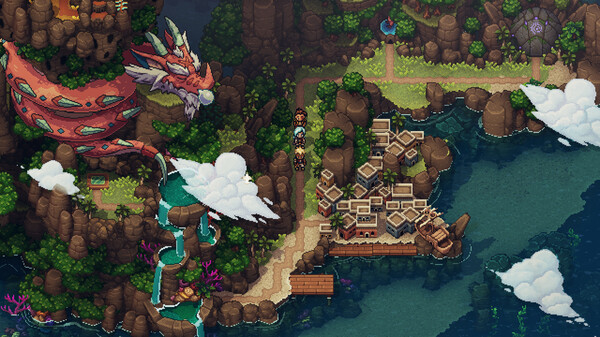
Farming Mechanics

Ooblets’ farming system is delightfully quirky and engaging. Players cultivate a variety of crops, each with unique properties and uses. The twist? Some crops can be used to grow Ooblets, the game’s lovable creatures. This innovative approach to farming adds a layer of strategy and excitement to traditional agricultural gameplay.

Progression

The game offers a satisfying sense of advancement through multiple avenues. As you expand your farm, collect new Ooblets, and improve your dance battle skills, you’ll unlock new areas and abilities. The progression feels natural and rewarding, with each milestone opening up new possibilities for exploration and customization.

Romance/Friendship

While Ooblets doesn’t feature romance, its friendship system is charming and lighthearted. Interacting with the town’s eccentric inhabitants is always a joy, with each character sporting a unique personality. The friendship mechanics, while not as deep as some other titles, fit perfectly with the game’s whimsical tone.

Crafting

Crafting in Ooblets is both essential and enjoyable. Players create a wide range of items, from furniture for their home to accessories for their Ooblets. The crafting system is well-integrated with the farming mechanics, creating a satisfying loop of resource gathering and item creation.

Story Depth

Ooblets’ narrative is light and playful, focusing more on creating a joyful atmosphere than delivering a complex plot. While it may not offer the emotional depth of some other titles, the game’s charm lies in its ability to craft a consistently delightful and often humorous world. The overarching goal of restoring the town provides just enough structure to keep players engaged.

Ooblets stands out with its unique blend of farming, creature collection, and dance battles. Its vibrant world and innovative gameplay mechanics offer a fresh take on the cozy life sim genre, perfect for those seeking a lighthearted and joyful experience.
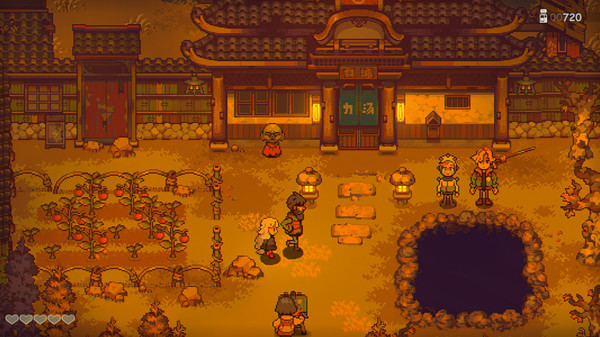

Coral Island /rating:4

Ratings (Out of 5)

  • Farming Mechanics: Outstanding 5 /icon:star/rating:5
  • Progression: Great 4 /icon:star/rating:4
  • Romance and Friendship: Great 4 /icon:star/rating:4
  • Crafting: Great 4 /icon:star/rating:4
  • Story Depth: Good 3 /icon:star/rating:3
  • Players: 1 /icon:gamepad/rating:1
  • Cross-Platform Play: No

Available On:

  • PC

Game Features

  • Single Player
  • Customization
a screenshot of gameplay

Coral Island breathes new life into the farming sim genre with its tropical setting and emphasis on environmental conservation. This vibrant game combines traditional life sim elements with a strong ecological message.

Farming Mechanics

Coral Island’s farming system is robust and engaging. Players can cultivate a wide variety of tropical crops, each with unique growth patterns and requirements. The addition of sustainable farming practices adds depth to the gameplay, encouraging players to think about environmental impact. The ability to raise exotic animals further enhances the tropical farming experience.

Progression

The game offers a well-structured progression system that goes beyond simple farm expansion. As players improve their farm and engage with the community, they unlock new areas to explore, including the fascinating underwater world. The sense of growth is palpable, with each achievement feeling meaningful within the game’s eco-friendly narrative.

Romance/Friendship

Coral Island shines in its diverse cast of characters and well-developed relationship system. Players can forge friendships and pursue romance with a variety of islanders, each with their own unique backstory and personality. The inclusion of LGBTQ+ relationships adds to the game’s inclusive atmosphere. While not revolutionary, the relationship mechanics are satisfying and add depth to the island community.

Crafting

Crafting plays a significant role in Coral Island, tying closely to both farming and conservation efforts. Players can create a range of items, from farm tools to decorative pieces for their home. The crafting system is intuitive and rewarding, with clear connections to the game’s overall themes of sustainability and community building.

Story Depth

While Coral Island’s overarching narrative of island restoration and environmental conservation is compelling, the story depth falls slightly short of some other titles in the genre. However, the game compensates with rich character interactions and the ongoing narrative of improving the island’s ecosystem. The addition of mysterious elements, like ancient ruins, adds intrigue to the tropical setting.

Coral Island stands out with its beautiful tropical setting and strong environmental message. Its blend of traditional farming sim elements with conservation themes creates a unique and engaging experience in the cozy game genre.


Bear and Breakfast /rating:3.8

Ratings (Out of 5)

  • Farming Mechanics: Average 2 /icon:star/rating:2
  • Progression: Great 4 /icon:star/rating:4
  • Romance and Friendship: Good 3 /icon:star/rating:3
  • Crafting: Outstanding 5 /icon:star/rating:5
  • Story Depth: Great 4 /icon:star/rating:4
  • Players: 1 /icon:gamepad/rating:1
  • Cross-Platform Play: No

Available On:

  • Nintendo Switch
  • PC (Steam)

Game Features

  • Single Player
a screenshot of gameplay

Check out our previous blog on Bear and Breakfast here!

Bear and Breakfast offers a charming twist on the management sim genre, placing players in the paws of a bear running a woodland bed and breakfast. This unique premise sets the stage for a cozy adventure filled with humor and heart.

Farming Mechanics

Traditional farming takes a backseat in Bear and Breakfast, with only minimal gardening elements present. Players can grow some basic crops to supply their kitchen, but it’s not a central mechanic. This lower score reflects the game’s focus on other aspects of management rather than a shortcoming.

Progression

The game shines in its progression system, centered around expanding and improving your bed and breakfast empire. Players start with a small, rustic cabin and gradually work their way up to managing multiple properties. The sense of growth is satisfying, with each upgrade and new location feeling like a significant achievement.
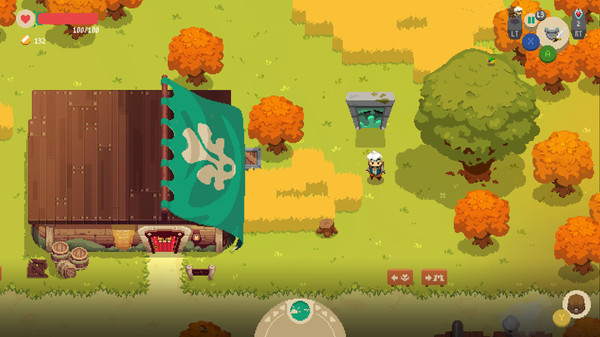
Romance/Friendship

While romance isn’t a feature, Bear and Breakfast offers a quirky and endearing friendship system. Interactions with woodland creatures and the occasional human visitor provide humorous and heartwarming moments. The relationships may not be as deep as in some other life sims, but they perfectly fit the game’s lighthearted tone.
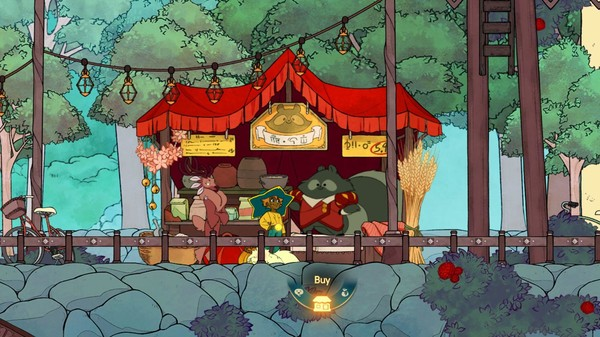
Crafting

Crafting is at the heart of Bear and Breakfast’s gameplay. Players must create furniture, decorations, and amenities to outfit their bed and breakfast locations. The crafting system is intuitive yet deep, offering a wide range of options to customize each property. The satisfaction of transforming run-down buildings into cozy retreats is a core part of the game’s appeal.

Story Depth

Bear and Breakfast surprises with its narrative depth. What starts as a simple tale of a bear stumbling into the hospitality business evolves into a story filled with mystery and charm. The game weaves together personal stories of guests, the history of the woodland, and the bear protagonist’s own journey of self-discovery. While maintaining its cozy atmosphere, the narrative touches on themes of community, belonging, and the impact of human activity on nature.

Bear and Breakfast stands out with its unique premise and charming execution. Its focus on management and crafting, coupled with a surprisingly rich narrative, offers a fresh take on the cozy life sim genre.


Dinkum /rating:3.6

Ratings (Out of 5)

  • Farming Mechanics: Great 4 /icon:star/rating:4
  • Progression: Great 4 /icon:star/rating:4
  • Romance and Friendship: Average 2 /icon:star/rating:2
  • Crafting: Great 4 /icon:star/rating:4
  • Story Depth: Good 3 /icon:star/rating:3
  • Players: up to 4 /icon:gamepad/rating:4
  • Cross-Platform Play: No

Available On:

  • PC

Game Features

  • Single Player
a screenshot of gameplay

Dinkum brings a distinctly Australian flavor to the life sim genre, offering players the chance to build their own outback community. This unique setting provides a fresh backdrop for familiar farming and crafting mechanics.

Farming Mechanics

Dinkum’s farming system is robust and well-integrated into the Australian setting. Players can cultivate a variety of crops suited to the outback climate, as well as raise animals like kangaroos and emus. The farming mechanics strike a good balance between accessibility and depth, with weather patterns and soil quality playing important roles.

Progression

The game offers a satisfying progression system centered around developing your outback town. Players start with basic tools and gradually unlock new abilities, buildings, and areas to explore. The progression feels natural and rewarding, with each milestone opening up new possibilities for expanding your community and interacting with the environment.

Romance/Friendship

Dinkum’s social aspects are relatively simple compared to other games in the genre. While players can interact with NPCs and build friendships, the system lacks the depth and variety found in more relationship-focused titles. However, the characters do add flavor to the Australian setting with their unique personalities and dialects.

Crafting

Crafting plays a central role in Dinkum, with players creating everything from tools and furniture to entire buildings. The crafting system is intuitive and expansive, allowing for significant customization of your outback town. The inclusion of uniquely Australian items adds charm and authenticity to the crafting experience.

Story Depth

While Dinkum doesn’t offer a complex narrative, it compensates with a strong sense of place and purpose. The overarching goal of building and expanding your outback community provides structure to the gameplay. The game’s story is more about the player’s personal journey and the gradual unveiling of the Australian wilderness than a predetermined plot.

Dinkum stands out with its unique Australian setting and focus on community building. While it may not break new ground in terms of gameplay mechanics, its charming representation of outback life and solid execution of life sim elements make it a worthy addition to the genre.


In conclusion, this second exploration of cozy life sims on Steam reveals the genre’s continuing evolution and diversity. From the emotional depth of Spiritfarer to the whimsical charm of Ooblets, each game offers a unique take on the cozy life sim formula. Whether you’re drawn to environmental themes, quirky creature collection, or rustic hospitality management, there’s a cozy corner of Steam waiting to welcome you.

/meta-title: Best Cozy Games On Steam That Are Life Sims Part 2

/meta-description: Discover even more of the best cozy games available on Steam and PC in 2024 ranked based on on metrics such as farming, relationships and story depth.

Best Cozy Games On Steam That Are Life Sims

What are the best lifesim cozy games on Steam in 2024?

Seeking a gaming retreat from the chaos of daily life? Steam’s vast library houses an array of cozy life simulation games that offer virtual havens of tranquility. These games blend farming, crafting, and relationship-building into captivating experiences that can whisk you away to charming gaming worlds. In this comprehensive guide, we’ll explore five standout cozy life sims available on Steam, ranking them based on key elements that define the genre.

Farming Mechanics Progression Romance/Friendship Crafting
Story Depth

Stardew Valley /rating:4.6

Ratings (Out of 5)

  • Farming Mechanics: Outstanding 5 /icon:star/rating:5
  • Progression: Great 4 /icon:star/rating:5
  • Romance and Friendship: Outstanding 5 /icon:star/rating:5
  • Crafting: Great 4 /icon:star/rating:4
  • Story Depth: Great 4 /icon:star/rating:4
  • Players: Up to 8 online /icon:gamepad/rating:8
  • Cross-Platform Play: No

Available On:

  • PC
  • Nintendo Switch
  • PlayStation 4
  • Xbox One
  • iOS
  • Android

Game Features

  • Single Player
  • Online Co-op
  • LAN Co-op
  • Split-screen Co-op
  • Dating and Marriage
  • Combat
a screenshot of gameplay

Stardew Valley reigns supreme in the realm of cozy life sims, offering an unparalleled blend of farming, community interaction, and personal growth. This pixelated masterpiece has captivated millions with its depth, charm, and endless replayability.

Farming Mechanics

Stardew Valley’s farming system is the gold standard in the genre. From choosing crops based on seasons to optimizing soil quality and irrigation, the game offers a deeply satisfying agricultural experience. The inclusion of artisanal goods production, animal husbandry, and farm customization provides layers of complexity that keep the farming aspect engaging for hundreds of hours.

Progression

The game’s progression system is multifaceted and rewarding. As you develop your farm, you’ll also work towards completing the Community Center bundles, upgrading tools, exploring mines, and improving relationships. This variety ensures that there’s always a goal to work towards, keeping players motivated throughout their journey in Pelican Town.

Romance/Friendship

Stardew Valley shines in its character interactions. Each of the 12 marriage candidates has a unique personality, backstory, and series of heart events that unfold as your relationship deepens. The platonic friendships are equally well-developed, with townsfolk revealing hidden depths as you get to know them. The game’s inclusivity in allowing same-sex marriages was also groundbreaking for the genre.

Crafting

The crafting system in Stardew Valley is robust and integral to gameplay. From creating artisan goods like wine and cheese to crafting essential farm buildings and decorative items, the system encourages creativity and strategic thinking. The gradual unlocking of new recipes ties well into the overall progression, always giving players new goals to achieve.

Story Depth

While not primarily story-driven, Stardew Valley weaves a rich tapestry of narratives throughout its gameplay. The overarching tale of rejuvenating a dying town intertwines with personal stories of each villager, creating a living, breathing world. Hidden mysteries, like the Junimos and the abandoned Community Center, add layers of intrigue to the bucolic setting.

Stardew Valley’s near-perfect blend of engaging mechanics, heartwarming relationships, and hidden depth make it the quintessential cozy life sim. Its influence on the genre is undeniable, setting a high bar for all games that follow.


Rune Factory 4 Special /rating:4.6

Ratings (Out of 5)

  • Farming Mechanics: Great 4 /icon:star/rating:4
  • Progression: Outstanding 5 /icon:star/rating:5
  • Romance and Friendship: Great 4 /icon:star/rating:4
  • Crafting: Outstanding 5 /icon:star/rating:5
  • Story Depth: Outstanding 5 /icon:star/rating:5
  • Players: 1 /icon:gamepad/rating:1
  • Cross-Platform Play: No

Available on:

  • Nintendo Switch
  • PC (Steam)
  • PlayStation 4
  • Xbox One
  • Xbox Series X

Game Features

  • Single Player
  • Dating and Marriage
  • Combat
a screenshot of gameplay

Rune Factory 4 Special brilliantly marries life sim elements with fantasy RPG mechanics, creating a unique experience that stands out in the genre. This enhanced port of the 3DS classic brings its charm to PC, offering a rich, multifaceted gameplay experience.

Farming Mechanics

The agricultural system in Rune Factory 4 Special goes beyond traditional farming sims by incorporating magical elements. Players can grow standard crops alongside fantastical plants, each with unique properties. The addition of monster taming, where creatures can help with farm work, adds a distinctive twist to the farming gameplay.

Progression

Progression in Rune Factory 4 Special is exceptionally well-crafted, blending traditional life sim advancement with RPG-style character development. Players level up various skills, from farming and crafting to combat and magic, creating a satisfying sense of growth. The game’s three distinct arcs – focusing on managing the town, building relationships, and advancing the main story – provide multiple avenues for progression.

Romance/Friendship

The game offers a diverse cast of characters to befriend and potentially romance. Each character has a unique personality and backstory, revealed through events and dialogue as your relationship grows. The addition of same-sex marriage options in this Special edition enhances inclusivity. While the relationship system is not as deep as some dedicated dating sims, it integrates well with the game’s other elements.

Crafting

Crafting in Rune Factory 4 Special is an integral part of the gameplay loop. Players can create weapons, armor, accessories, and cooking recipes. The crafting system ties into the game’s RPG elements, with crafted items often being crucial for dungeon exploration and combat.

Story Depth

Where Rune Factory 4 Special truly excels is in its narrative depth. The game presents a rich, fantasy-driven plot that unfolds over three distinct arcs. From political intrigue to divine mysteries, the story keeps players engaged throughout their journey. Character-specific sub-plots and random events add flavor to the main narrative, creating a living world that reacts to the player’s actions.

Rune Factory 4 Special’s unique blend of life sim elements with fantasy RPG mechanics creates an engrossing experience that offers something for fans of both genres. Its deep progression system and rich storytelling make it a standout title in the cozy game category.


My Time At Portia /rating:4

Ratings (Out of 5)

  • Farming Mechanics: Good 3 /icon:star/rating:3
  • Progression: Great 4 /icon:star/rating:5
  • Romance and Friendship: Great 4 /icon:star/rating:4
  • Crafting: Outstanding 5 /icon:star/rating:5
  • Story Depth: Good 3 /icon:star/rating:3
  • Players: 1 /icon:gamepad/rating:1
  • Cross-Platform Play: No

Available On:

  • PC
  • Nintendo Switch
  • PlayStation 4
  • Xbox One

Game Features

  • Single Player
  • Open World
  • Marriage
  • Combat
  • Crafting
  • Resource Management
  • Quest System
a screenshot of gameplay

My Time at Portia offers a refreshing take on the life sim genre, setting itself apart with its post-apocalyptic setting and focus on crafting and building. This 3D adventure combines elements of farming, socializing, and dungeon crawling into a unique package.

Farming Mechanics

While present, farming in My Time at Portia takes a backseat to other activities. Players can cultivate crops and raise animals, but the system lacks the depth found in farming-focused games. However, the simplicity allows players to engage in agriculture without it overshadowing the game’s primary focus on crafting and building.

Progression

Progression in My Time at Portia is tied closely to the workshop system, where players take on commissions to improve their rank and unlock new blueprints. This creates a satisfying loop of gathering resources, crafting items, and expanding capabilities. The game also features character stat progression, adding an RPG-like element to character development.

Romance/Friendship

The social system in My Time at Portia is well-developed, offering a wide array of characters to befriend or romance. Each NPC has a unique personality and backstory, revealed through interactions and date events. The inclusion of same-sex romance options adds to the game’s inclusivity.

Crafting

Crafting is the cornerstone of My Time at Portia’s gameplay. The workshop system, where players construct everything from simple tools to complex machines, is intricate and engaging. The game continually introduces new blueprints and materials, keeping the crafting experience fresh throughout the playthrough. The satisfaction of completing large-scale projects for the town adds a sense of accomplishment to the crafting process.

Story Depth

The narrative in My Time at Portia, while interesting, doesn’t reach the depths of some other titles in the genre. The post-apocalyptic setting provides an intriguing backdrop, with the story touching on themes of rediscovering lost technology and rebuilding society. Character-specific storylines add flavor to the world, but the overarching plot can feel somewhat disjointed at times.

My Time at Portia’s unique setting and focus on crafting and building set it apart in the cozy life sim genre. While it may not excel in traditional farming mechanics, its workshop system and charming 3D world offer a distinctive and enjoyable experience.


Cozy Grove /rating:3.4

Ratings (Out of 5)

  • Farming Mechanics: Average 3 /icon:star/rating:3
  • Progression: Good 4 /icon:star/rating:4
  • Romance and Friendship: Good 3 /icon:star/rating:3
  • Crafting: Average 2 /icon:star/rating:2
  • Story Depth: Outstanding 5 /icon:star/rating:5
  • Players: 1 /icon:gamepad/rating:1
  • Cross-Platform Play: No

Available On:

  • Nintendo Switch
  • PC (Steam)

Game Features

  • Single Player
  • Story Rich
  • Friendships
  • Crafting
a screenshot of gameplay

Cozy Grove presents a distinctive approach to the life sim genre, blending elements of exploration, storytelling, and spirit-helping into a relaxing daily routine. Set on a haunted, ever-changing island, this game offers a unique experience that emphasizes narrative over traditional life sim mechanics.

Farming Mechanics

Farming in Cozy Grove is a supplementary activity rather than a core focus. Players can cultivate a small garden, but the system is basic compared to farming-centric titles. The simplicity allows the game to maintain its focus on spirit-helping and exploration without getting bogged down in complex agricultural mechanics.

Progression

Cozy Grove employs a deliberately paced progression system tied to daily activities and spirit assistance. As players complete tasks and uncover more of the island, they gradually improve their camp and unlock new areas. The intentionally slow pace may not appeal to all, but it aligns well with the game’s emphasis on daily, bite-sized play sessions.

Romance/Friendship

While Cozy Grove doesn’t feature romantic relationships, it excels in creating meaningful connections with the island’s spectral inhabitants. Each ghost bear has a distinct personality and backstory, and helping them through their afterlife struggles fosters a strong emotional bond. The focus on platonic relationships over romance offers a refreshing change within the life sim genre.

Crafting

The crafting system in Cozy Grove is present but not as extensive as in other life sims. Players craft items to complete quests and decorate their camp, but the system lacks depth. However, the unique, hand-drawn art style of the crafted items adds charm to the game world, making the crafting process enjoyable despite its simplicity.

Story Depth

Cozy Grove’s narrative is where the game truly shines. The story unfolds gradually through daily interactions with the ghost bears, each revealing pieces of their past and the island’s history. The well-written dialogue and emotional storytelling create a captivating narrative experience. The overarching mystery of the island adds an element of intrigue that keeps players returning day after day.

Cozy Grove offers a unique take on the life sim genre, prioritizing storytelling and atmosphere over complex mechanics. Its distinctive art style and focus on helping spirits create a soothing, meditative experience that sets it apart from more traditional entries in the genre.


Littlewood /rating:3

Ratings (Out of 5)

  • Farming Mechanics: Good 3 /icon:star/rating:3
  • Progression: Good 3 /icon:star/rating:3
  • Romance and Friendship: Good 3 /icon:star/rating:3
  • Crafting: Good 3 /icon:star/rating:3
  • Story Depth: Good 3 /icon:star/rating:3
  • Players: 1 /icon:gamepad/rating:1
  • Cross-Platform Play: No

Available On:

  • PC (Steam)
  • Nintendo Switch

Game Features

  • Single Player
  • City Builder
  • Friendships
  • Crafting
  • Exploration
a screenshot of gameplay

Littlewood presents a charming, pixel-art life sim that puts a twist on the traditional format by setting the game in a post-heroic world. While it may not score as highly as some of its counterparts, Littlewood offers a unique and relaxing experience for those who enjoy town-building with a dash of whimsy.

Farming Mechanics

The agricultural system in Littlewood is straightforward and accessible. Players can plant crops and trees, but the mechanics lack the depth found in farming-focused games. The simplicity makes it easy to manage alongside other town-building activities, but it may leave seasoned farming sim enthusiasts wanting more.

Progression

Littlewood’s progression revolves around town development and resource management. As players gather materials and expand their town, they unlock new buildings, characters, and areas to explore. While the system provides a sense of accomplishment, it lacks the variety and depth found in more complex life sims.

Romance/Friendship

The game features a basic social system where players can interact with townsfolk and increase relationship levels. However, the character interactions aren’t as nuanced or engaging as in other titles in the genre. The focus is more on building a community than on developing intricate personal relationships, which may disappoint players looking for deep social gameplay.

Crafting

Crafting in Littlewood is closely tied to the town-building aspect of the game. Players craft various items and structures to develop their town, but the system is relatively simple compared to crafting-focused games. It serves its purpose within the game’s scope but doesn’t offer the complexity that some players might desire.

Story Depth

Littlewood’s narrative is light and whimsical, focusing more on the day-to-day life of rebuilding a town than on an overarching plot. While there are some interesting character backstories to uncover, the overall story is minimal. This approach allows players to create their own narratives within the game world but may disappoint those seeking a rich, story-driven experience.

Despite its lower scores, Littlewood offers a unique and relaxing experience for players who enjoy town-building and simple resource management. Its charm lies in its simplicity and the freedom it gives players to shape their town as they see fit, making it a worthy consideration for fans of more laid-back life sims.


In conclusion, the world of cozy life sims on Steam offers a diverse range of experiences, from the deeply engaging mechanics of Stardew Valley to the narrative-focused approach of Cozy Grove. Whether you’re looking for complex farming systems, rich storytelling, or simple town-building, there’s a game on this list to suit your preferences. Each title brings its own unique flavor to the genre, ensuring that cozy game enthusiasts have plenty of options to explore and enjoy.

/meta-title: Best Cozy Games On Steam That Are Life Sims

/meta-description: Discover the best cozy games available on Steam and PC in 2024 ranked based on on metrics such as farming, relationships and story depth.

Best Free Two Player Sports Games on PS4 in 2024

What are the best free two player sports games on PS4 in 2024?

In the realm of gaming, few experiences can match the thrill of playing alongside friends and family. Splitscreen games create an opportunity to share the excitement, compete, and collaborate in the same physical space. When it comes to sports games, the adrenaline of competition is only heightened by having your rival or teammate right next to you in a 2 player split screen game. This blog post will delve into four exceptional sports games that offer free local multiplayer. We will evaluate these titles based on four key metrics:

Variety of Game Modes Co-op Accessibility Gameplay Free to Play

Rocket League /rating:5

Ratings (Out of 5)

  • Variety of Game Modes: Outstanding /icon:star/rating:5
  • Co-op Accessibility: Outstanding 5 /icon:star/rating:5
  • Gameplay: Oustanding 5 /icon:star/rating:5
  • Free to Play: Outstanding 5/icon:star/rating:5
  • Players: Up to 4 /icon:gamepad/rating:4
  • Cross-Platform Play: Yes

Available On:

  • PS4
  • PS5
  • Xbox One
  • Xbox Series X/S
  • Microsoft Windows (Via Steam)
  • Nintendo Switch

Game Features

  • Multiplayer
  • Customization
  • Seasonal Events
  • Soccer
  • Hoops
  • Snow Day
  • Rumble
  • Dropshot
A screenshot of gameplay showing a car flying through the air to hit a football

Rocket League, developed by Psyonix, is a thrilling blend of soccer and rocket-powered vehicles that has captivated gamers since its launch in 2015. The game’s unique premise and engaging mechanics have solidified its status as a beloved multiplayer title.

Variety of Game Modes

Rocket League shines with an impressive selection of game modes that can be enjoyed in splitscreen. Players can choose from the classic Soccar mode, the basketball-inspired Hoops, the ice hockey-like Snow Day, and the chaotic Rumble mode featuring power-ups. This variety ensures that players can find a mode that suits their preferences, whether they enjoy traditional gameplay or something more unconventional.The ability to play these diverse modes with friends in splitscreen enhances the overall experience. Whether teaming up or facing off against each other, the excitement of competing on the same screen adds an extra layer of fun to every match.

Co-op Accessibility

In terms of co-op accessibility, Rocket League excels. The game supports up to four players on a single screen, making it an ideal choice for local multiplayer sessions. The controls are designed to be intuitive, allowing newcomers to quickly grasp the basics and jump into the action.The physics-based gameplay strikes a perfect balance between being easy to pick up and offering a high skill ceiling. While players can enjoy the game casually, mastering advanced techniques and strategies keeps them engaged for hours.

Co-op Accessibility

Rocket League shines in co-op accessibility. The game features intuitive controls that are easy to learn, making it accessible for players of all skill levels. The split-screen mode allows for seamless local multiplayer experiences, while cross-platform play enables PS4 players to team up with friends on other platforms. Customizable difficulty settings for AI opponents in private matches further enhance the co-op experience, allowing players to tailor their gameplay to their preferences.

Gameplay

Despite its straightforward premise, Rocket League boasts remarkable gameplay depth. The physics engine allows for a wide range of techniques and strategies, from basic dribbling to complex aerial manoeuvres and team rotations.The competitive scene surrounding Rocket League is a testament to its depth. Professional matches showcase an incredible level of skill, with players executing precise manoeuvres and strategies that casual players can aspire to learn.Furthermore, the various modes each require different skills and strategies. For instance, Hoops emphasizes aerial play, while Snow Day rewards ground control and positioning. This diversity ensures that players always have new challenges to tackle and skills to refine.

Free to Play

In a significant shift in 2020, Rocket League transitioned to a free-to-play model, making it accessible to a broader audience. This change eliminated the initial cost barrier while preserving the full gameplay experience.The free-to-play model is supported by cosmetic microtransactions and a battle pass system, which do not affect gameplay. All game modes, including competitive play, are available to all players without any paywalls, ensuring that everyone can enjoy the game.


Sportsfriends /rating:4.5

Ratings (Out of 5)

  • Variety of Game Modes: Outstanding 5 /icon:star/rating:5
  • Co-op Accessibility: Outstanding 5 /icon:star/rating:5
  • Gameplay: Good 3 /icon:star/rating:3
  • Free to Play: Oustanding 5 /icon:star/rating:5
  • Players: Up to 4 /icon:gamepad/rating:4
  • Cross-Platform Play: No

Available On:

  • PS3
  • PS4

Game Features

  • Multiplayer
  • Motion Control
A screenshot of gameplay

Sportsfriends is a unique collection of local multiplayer sports games developed by Die Gute Fabrik. It stands out with its focus on simple yet engaging gameplay mechanics that are easy to learn but challenging to master.

Variety of Game Modes

Sportsfriends excels in providing a diverse range of game modes, all designed specifically for local multiplayer. The game includes four distinct sports-inspired games:

  1. Johann Sebastian Joust: A motion-controlled game where players must keep their controllers steady while trying to jostle opponents.
  2. BaraBariBall: A team-based ball game that combines elements of fighting games and basketball.
  3. Super Pole Riders: A pole-vaulting game where players aim to knock a ball into the opponent’s goal.
  4. Hokra: A minimalist 2v2 sports game resembling hockey or soccer.

Each of these games offers a unique twist on traditional sports, providing a fresh and varied experience for players. The fact that all of these modes are designed for splitscreen play gives Sportsfriends top marks in this category.

Co-op Accessibility

Sportsfriends is built with local multiplayer in mind, making it highly accessible for co-op play. The games feature simple controls that are easy to pick up, allowing players of all skill levels to jump in and start having fun right away.The game supports up to four players on a single screen, and some modes even allow for more with additional controllers. The variety of games ensures that there is something for everyone, whether players prefer physical movement (Johann Sebastian Joust) or more traditional button-based controls.

Gameplay

While Sportsfriends offers engaging and enjoyable gameplay, the depth of its sports mechanics is moderate. The games are intentionally designed to be simple and accessible, which can limit their long-term depth compared to more complex sports simulations. However, each game does present its own strategic elements and skill ceiling. For example, BaraBariBall requires a solid understanding of movement and timing, while Super Pole Riders demands precise control and prediction of opponent actions. The depth comes more from player interaction and mind games rather than complex game mechanics.The score of 3/5 reflects a good balance between accessibility and depth, providing enough complexity to keep players engaged without overwhelming newcomers.

Free to Play

The free-to-play nature of Sportsfriends aligns perfectly with its focus on local multiplayer and party-style gameplay. This model ensures that anyone with a compatible PlayStation console can easily join in on the fun, making it an excellent choice for impromptu gaming sessions with friends or family.By offering the complete experience at no cost, Sportsfriends removes any financial obstacles that might prevent players from trying out its unique and engaging multiplayer games. This approach greatly enhances its appeal as a go-to title for local multiplayer entertainment.The combination of being free-to-play and offering a variety of splitscreen modes makes Sportsfriends an exceptionally attractive option for those seeking accessible and diverse local multiplayer experiences.


eFootball 2024 /rating:3.25

Ratings (Out of 5)

  • Variety of Game Modes: Average 2 /icon:star/rating:2
  • Co-op Accessibility: Average 2 /icon:star/rating:2
  • Gameplay: Great 4 /icon:star/rating:4
  • Free to Play: Outstanding 5/icon:star/rating:5
  • Players: Up to 4 /icon:gamepad/rating:4
  • Cross-Platform Play: Yes

Available on:

  • PS4
  • PS5
  • XBox One
  • XBox Series X/S
  • PC
  • ios
  • Android

Game Features

  • Match Mode
  • Online Mode
  • Creative Teams
  • Seasons
  • MyClub
  • Multiplayer
  • Abilities

eFootball™ 2024, formerly known as Pro Evolution Soccer (PES), represents Konami’s latest effort to deliver a realistic football simulation experience. The game emphasizes individual player control and tactical gameplay, aiming to provide an authentic football experience.

Variety of Game Modes

When it comes to splitscreen play, eFootball™ 2024 offers a limited selection of game modes. While players can engage in local matches, the variety is not as extensive as some of its competitors. The primary focus remains on standard football matches, with options for different team selections and match lengths. The game also features a unique approach to online play with its “Creative Teams” mode, although this is less relevant for splitscreen gameplay. For football enthusiasts who enjoy traditional matches, the available options may suffice. However, those seeking a wider range of game modes for local multiplayer may find the offerings lacking.

Co-op Accessibility

The co-op accessibility in splitscreen for eFootball™ 2024 is somewhat restrictive. While local multiplayer is supported, the implementation could be more user-friendly. The control scheme can be complex for newcomers, creating a potential barrier for casual players eager to join in on a quick match.The game does offer some assistance options to help less experienced players, but overall, the accessibility in splitscreen mode leaves room for enhancement. This limitation may hinder groups with varying skill levels from enjoying the game together.

Gameplay

Where eFootball™ 2024 truly excels is in its gameplay depth. The game provides a highly detailed simulation of football, featuring intricate controls that allow for precise dribbling, passing, and shooting. The tactical elements are well-developed, enabling players to set up complex strategies and formations.The individuality system for players adds another layer of depth, with each footballer exhibiting unique attributes and playing styles that impact their performance on the pitch. This realism creates a varied gameplay experience where leveraging players’ strengths is essential for success. eFootball™ 2024 also introduces “Motion Matching” technology, designed to create more realistic player movements and interactions. However, the gameplay score is not a perfect 5/5 due to some inconsistencies and balancing issues. While the core gameplay is engaging, certain mechanics may feel less polished compared to previous iterations or rival football games.

Free to Play

eFootball™ 2024 adopts a free-to-play model, making it highly accessible to all players. The base game, including local multiplayer functionality, is available at no cost. This approach allows players to experience the core gameplay without any initial investment.The free-to-play aspect is supported by microtransactions, primarily focused on online modes and player acquisitions. However, these do not significantly impact the local multiplayer experience, ensuring that splitscreen play remains enjoyable and accessible without additional purchases.


3on3 Freestyle /rating:2.5

Ratings (Out of 5)

  • Variety of Game Modes: Poor 1 /icon:star/rating:1
  • Co-op Accessibility: Poor 1 /icon:star/rating:1
  • Gameplay: Good 3 /icon:star/rating:3
  • Free to Play: Outstanding 5/icon:star/rating:5
  • Players: Up to 3 /icon:gamepad/rating:3
  • Cross-Platform Play: Yes

Available On:

  • PS4
  • Microsoft Windows (Via Steam)
  • XBox One
  • XBox Series X/S

Game Features

  • Multiplayer
  • Abilities
  • Arcade Style
  • Character Progression
  • Customization
  • Online Play

3on3 FreeStyle is a free-to-play basketball game that captures the essence of street basketball with its vibrant characters and arcade-style gameplay. Developed by JoyCity, the game aims to bring the excitement of pickup basketball to life with a twist of fantasy and special abilities.

Variety of Game Modes

Unfortunately, 3on3 FreeStyle struggles with providing a variety of splitscreen game modes. The game is primarily designed for online play, and local splitscreen options are extremely limited. This significant shortcoming is a major drawback for those seeking to enjoy the game with friends on the same screen.The focus on online play means that the rich variety of characters and gameplay styles does not translate well to a local multiplayer experience, resulting in a low score in this category.

Co-op Accessibility

In terms of co-op accessibility, 3on3 FreeStyle’s splitscreen options are severely lacking. The game does not offer robust local multiplayer functionality, making it challenging for friends to play together on the same console.This limitation is particularly disappointing given the game’s emphasis on team play and the potential for exciting local 3v3 matches. The absence of accessible splitscreen co-op options significantly reduces the game’s appeal for those looking for shared screen experiences.

Gameplay

Despite its limitations in local multiplayer, 3on3 FreeStyle does provide a reasonable level of gameplay depth. The game features a diverse roster of characters, each possessing unique skills and playstyles. This variety allows for interesting team compositions and strategies.The gameplay incorporates elements of traditional basketball while adding arcade-style special moves and abilities. Players can perform flashy dunks, long-range shots, and utilize character-specific skills to outmaneuver opponents. The inclusion of a positioning system and team-based gameplay adds a layer of strategy to matches.However, the gameplay score is not higher due to some balance issues and the potential for certain strategies or characters to dominate, which can limit the long-term depth and competitiveness of the game.

Free to Play

3on3 FreeStyle excels in the free-to-play category, offering the full core gameplay experience at no cost. Players can download and play the game without any initial investment, which is a significant advantage.The monetization model focuses on cosmetic items and character unlocks, which do not directly impact gameplay balance.


/meta-title: Best Free Two Player Sports Games on PS4

/meta-description: Discover the top free 2 player sports games available on PS4 in 2024 ranked based on on metrics such as game modes, free to play and co-op accessibility.