Best Anime Fighting Games for the Nintendo Switch that are Hidden Gems in 2024

What are the best Nintendo Switch fighting games ranked in 2024?

Check out our previous blog on anime fighting games here!

The Nintendo Switch has become a haven for fighting game enthusiasts, offering a perfect blend of portability and power. While many popular franchises dominate the spotlight, there are several hidden gems in the anime fighting game genre that deserve attention. In this comprehensive guide, we’ll explore five exceptional anime fighting games that shine on the Switch, assessing them based on key elements that define the genre. Expect ratings based on variety of game modes, skill ceiling, combat mechanics, and story depth!

Story Skill Ceiling Diversity of Game Modes
Combat

Under Night In-Birth Exe:Late[cl-r] /rating:4.25

Ratings (Out of 5)

  • Story: Good 3 /icon:star/rating:3
  • Skill Ceiling: Outstanding 5 /icon:star/rating:5
  • Diversity of Game Modes: Great 4/icon:star/rating:4
  • Combat: Outstanding 5 /icon:star/rating:5
  • Players: 2 /icon:gamepad/rating:2
  • Cross-Platform Play: No

Available On:

  • Nintendo Switch
  • PlayStation 4
  • PC

Game Features

  • Extensive Tutorial System
  • Unique GRD (Grind Grid) Mechanic
  • Chronicle Mode for Story
  • Various Arcade and Versus Modes

Under Night In-Birth Exe:Late[cl-r] brings a deep and technical fighting game experience to the Nintendo Switch, offering a hidden gem for those seeking a challenge.

Variety of Game Modes

Under Night In-Birth Exe:Late[cl-r] offers a robust selection of game modes that cater to both single-player and competitive play. The arcade mode provides a traditional fighting game experience, while the versus mode allows for local multiplayer battles. The inclusion of time attack and score attack modes adds replayability for those seeking to improve their skills. The standout feature is the extensive tutorial system, which goes beyond basic move lists to teach advanced fighting game concepts. This comprehensive approach to teaching game mechanics sets Under Night apart from many of its peers, making it an excellent choice for both newcomers and veterans of the genre.

Skill Ceiling

The skill ceiling in Under Night In-Birth Exe:Late[cl-r] is remarkably high, offering a deep well of techniques and strategies for players to master. The game’s unique GRD (Grind Grid) system adds a layer of resource management to fights, rewarding aggressive play and creating a constant ebb and flow to matches. Mastering the intricacies of the GRD system, along with character-specific combos and mixups, provides a satisfying long-term goal for dedicated players. The game’s balance between accessibility and depth ensures that while new players can enjoy the basics, there’s always room for improvement and optimization at higher levels of play.

Combat

The combat in Under Night In-Birth Exe:Late[cl-r] is fast-paced, fluid, and deeply satisfying. Each character in the diverse roster feels unique, with distinct playstyles that cater to various approaches to fighting games. The chain-based combo system allows for creative expression in offense, while the defensive options provide counterplay opportunities. The aforementioned GRD system adds a strategic layer to every interaction, making even footsies and neutral game engaging. The game’s smooth animations and responsive controls translate well to the Nintendo Switch, ensuring that the technical demands of high-level play are achievable on the portable console.

Story

While not the primary focus of the game, Under Night In-Birth Exe:Late[cl-r] offers a surprisingly deep narrative for those willing to delve into it. The Chronicle Mode presents an extensive visual novel-style story that explores the game’s world and characters. The plot, revolving around the supernatural phenomenon known as the Hollow Night, provides context for the diverse cast and their motivations. However, the story’s delivery through text-heavy scenes may not appeal to all players, and its complexity can be overwhelming for those not invested in the lore. Despite these potential drawbacks, the depth of the narrative adds value for players who enjoy rich backstories in their fighting games.

Under Night In-Birth Exe:Late[cl-r] stands out as a hidden gem in the Nintendo Switch’s fighting game library. Its combination of deep mechanics, excellent combat, and comprehensive tutorial system makes it a must-play for fighting game enthusiasts looking for a new challenge. While its story mode may be divisive, the core gameplay experience offers endless depth and replayability for those willing to invest the time to master its systems.


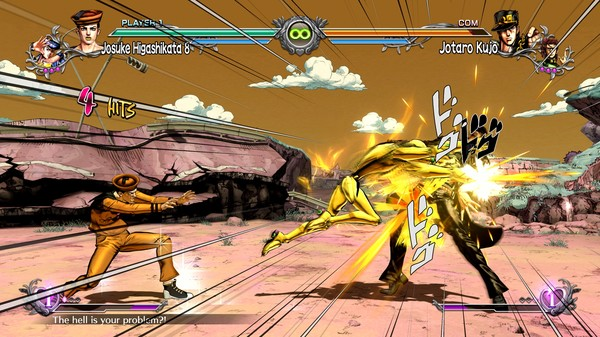
JoJo’s Bizarre Adventure: All Star Battle R /rating:3.75

Ratings (Out of 5)

  • Story: Good 3 /icon:star/rating:3
  • Skill Ceiling: Great 4 /icon:star/rating:4
  • Diversity of Game Modes: Great 4/icon:star/rating:4
  • Combat: Great 4 /icon:star/rating:4
  • Players: 2 /icon:gamepad/rating:2
  • Cross-Platform Play: No

Available on:

  • Nintendo Switch
  • PlayStation 4
  • PlayStation 5
  • Xbox One
  • Xbox Series X/S
  • PC

Game Features

  • Large Roster
  • Unique Stand System
  • Story Mode
  • Battle Mode
  • Practice Mode
  • Arcade Mode
  • Online Play
  • Faithful Adaptation

JoJo’s Bizarre Adventure: All Star Battle R brings the flamboyant and over-the-top action of the beloved anime and manga series to the Nintendo Switch, offering a fighting game experience that’s as bizarre as its source material.

Variety of Game Modes

JoJo’s Bizarre Adventure: All Star Battle R impresses with its diverse array of game modes. The All Star Battle Mode serves as the primary single-player experience, offering a series of what-if battles that span the entire JoJo timeline. Arcade Mode provides a more traditional fighting game experience, while Versus Mode allows for local multiplayer battles. The inclusion of a Practice Mode with detailed command lists helps players master the unique mechanics of each character. Online play rounds out the package, ensuring that players always have opponents to test their skills against. The variety of modes caters to both casual fans of the series and serious fighting game enthusiasts, providing ample content to explore on the Switch.

Skill Ceiling

The skill ceiling in JoJo’s Bizarre Adventure: All Star Battle R is notably high, thanks to the game’s unique Stand system and character-specific mechanics. Each character’s playstyle is deeply rooted in their abilities from the source material, leading to a diverse roster with widely varying approaches to combat. Mastering the intricacies of Stand activation, character-specific gimmicks, and optimal combo routes provides a satisfying challenge for dedicated players. The game’s balance between flashy, easy-to-execute special moves and more technical advanced techniques ensures that while new players can enjoy the spectacle, there’s always room for skill expression at higher levels of play.

Combat

The combat in JoJo’s Bizarre Adventure: All Star Battle R is a faithful representation of the series’ outlandish battles. The Stand system, where characters can summon manifestations of their fighting spirit, adds a unique dynamic to fights. Some characters can freely switch between Stand and non-Stand modes, effectively giving players two movesets to master. The inclusion of stage gimmicks and dramatic finishers adds to the spectacle, creating memorable moments that feel ripped straight from the manga panels. While the combat system may not be as technically deep as some traditional fighting games, it excels in capturing the essence of JoJo’s stylish and strategic battles.

Story

The story presentation in JoJo’s Bizarre Adventure: All Star Battle R is tailored more towards fans of the series than newcomers. The All Star Battle Mode offers a series of what-if scenarios that span across all parts of JoJo’s Bizarre Adventure, allowing fans to experience dream matchups and alternate takes on iconic moments. However, the lack of a traditional story mode with cutscenes or extensive dialogue may disappoint players looking for a more narrative-driven experience. The game assumes a certain level of familiarity with the source material, which can make the context for battles confusing for those new to JoJo. Despite these limitations, the sheer variety of character interactions and faithful recreation of the series’ iconic moments provide ample fanservice for JoJo enthusiasts.

JoJo’s Bizarre Adventure: All Star Battle R stands out as a love letter to fans of the series, offering a fighting game experience that’s dripping with style and fanservice. While it may not reach the technical depths of some fighting game staples, its unique mechanics and faithful adaptation of the source material make it a hidden gem for both JoJo fans and fighting game enthusiasts on the Nintendo Switch.


Demon Slayer: Kimetsu no Yaiba – The Hinokami Chronicles /rating:3.5

  • Story: Great 4 /icon:star/rating:4
  • Skill Ceiling: Good 3 /icon:star/rating:3
  • Diversity of Game Modes: Good 3 /icon:star/rating:3
  • Combat: Great 4 /icon:star/rating:4
  • Players: 2 /icon:gamepad/rating:2
  • Cross-Platform Play: No

Available On:

  • Nintendo Switch
  • PlayStation 4
  • PlayStation 5
  • Xbox One
  • Xbox Series X/S
  • PC

Game Features

  • Story Mode
  • Versus Mode
  • Practice Mode
  • Diverse Roster
  • Online Multiplayer Battles

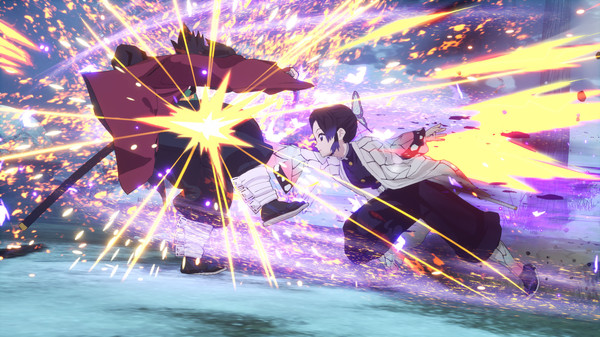
Demon Slayer: Kimetsu no Yaiba – The Hinokami Chronicles brings the popular anime series to life on the Nintendo Switch, offering a visually stunning fighting game experience that captures the essence of the show’s breathtaking battles.

Variety of Game Modes

Demon Slayer: The Hinokami Chronicles offers a solid, if somewhat standard, selection of game modes. The Story Mode serves as the centerpiece, allowing players to relive key moments from the anime’s first season and the Mugen Train arc. This mode blends exploration and combat, providing a more varied experience than typical fighting game story modes. The Versus Mode allows for local and online multiplayer battles, while the Training Mode helps players master the intricacies of each character’s moveset. While these modes cover the essentials, the game lacks additional content that might extend its longevity, such as challenge towers or more extensive single-player content beyond the main story.

Skill Ceiling

The skill ceiling in Demon Slayer: The Hinokami Chronicles is moderate, offering room for mastery without overwhelming complexity. The combat system emphasizes accessibility, allowing players to perform impressive combos with relatively simple inputs. Advanced players can find depth in mastering perfect guards, switch cancels, and optimal combo routes for each character. The inclusion of assist characters adds a layer of strategy to team composition and combo extensions. However, compared to more technically demanding fighting games, the skill ceiling may feel limited for hardcore genre enthusiasts. This balance makes the game approachable for fans of the anime while still providing enough depth to reward dedicated practice.

Combat

The combat in Demon Slayer: The Hinokami Chronicles is a visual spectacle that faithfully recreates the anime’s dynamic sword battles. Each character’s moveset is deeply rooted in their techniques from the series, from Tanjiro’s Water Breathing to Zenitsu’s lightning-fast Thunder Breathing attacks. The game’s graphics engine does an excellent job of capturing the fluidity and impact of these moves, with special attacks that are particularly impressive on the Switch’s screen. The inclusion of a meter system that allows for powered-up states adds strategic depth to battles, forcing players to manage resources carefully. While the combat system may not be as complex as some traditional 2D fighters, it excels in creating cinematic and engaging battles that feel true to the source material.

Story

The Story Mode in Demon Slayer: The Hinokami Chronicles is one of its strongest features, offering a faithful retelling of the anime’s early arcs. Players can experience key moments from the series, from Tanjiro’s early training to the intense battles of the Mugen Train. The mode blends exploration segments, where players can interact with characters and environments, with combat encounters that recreate iconic fights. The inclusion of voiced cutscenes and faithfully recreated environments adds to the immersion, making it a treat for fans of the series. While the story may not offer much new for those familiar with the anime, it serves as an excellent interactive recap and a way for newcomers to experience the early parts of Demon Slayer’s narrative.

Demon Slayer: Kimetsu no Yaiba – The Hinokami Chronicles stands out as a visually impressive and faithful adaptation of the popular anime series. While it may not push the boundaries of the fighting game genre, its accessible combat system and strong story mode make it a hidden gem for fans of Demon Slayer and casual fighting game players on the Nintendo Switch.


Dengeki Bunko: Fighting Climax Ignition /rating:3.25

Ratings (Out of 5)

  • Story: Average 2 /icon:star/rating:2
  • Skill Ceiling: Great 4 /icon:star/rating:4
  • Diversity of Game Modes: Good 3 /icon:star/rating:3
  • Combat: Great 4 /icon:star/rating:4
  • Players: 2 /icon:gamepad/rating:2
  • Cross-Platform Play: No

Available On:

  • Nintendo Switch
  • PlayStation 3
  • PlayStation 4
  • PlayStation Vita

Game Features

  • Crossover Fighting Game
  • Characters from Various Dengeki Bunko Light Novels
  • Unique Support Character System
  • Arcade Mode
  • Versus Mode
  • Story Mode
  • Training Mode

Dengeki Bunko: Fighting Climax Ignition brings together a diverse cast of characters from popular light novels, offering a unique crossover fighting experience on the Nintendo Switch.

Variety of Game Modes

Dengeki Bunko: Fighting Climax Ignition offers a standard selection of game modes that cover the essentials of a fighting game. The Arcade Mode provides a traditional ladder-style experience, while the Story Mode offers character-specific narratives that, while brief, give context to the crossover battles. The Versus Mode allows for local multiplayer matches, essential for a fighting game on the Switch. The Training Mode is particularly noteworthy, offering detailed tutorials that break down the game’s mechanics, making it accessible to newcomers. While these modes provide a solid foundation, the game lacks additional content that might extend its longevity, such as challenge towers or more extensive single-player content beyond the main story and arcade modes.

Skill Ceiling

The skill ceiling in Dengeki Bunko: Fighting Climax Ignition is surprisingly high, offering depth that belies its crossover nature. The game’s unique mechanics, such as the Trump Card system and Support Character attacks, add layers of strategy to matches. Mastering the timing of these elements, along with character-specific combos and mixups, provides a satisfying long-term goal for dedicated players. The balance between accessibility and depth ensures that while new players can enjoy the flashy moves and recognizable characters, there’s always room for improvement and optimization at higher levels of play. This depth is particularly impressive given the game’s diverse roster of characters from different franchises.

Combat

The combat in Dengeki Bunko: Fighting Climax Ignition is fast-paced and visually striking, capturing the essence of each character’s abilities from their respective light novels. The game’s four-button system (weak, medium, strong, and support) provides a good balance between simplicity and depth. The inclusion of the Blast system, which allows for combo breakers and momentum shifts, adds a strategic layer to fights. The Support Character system is a standout feature, allowing players to call in assists that can extend combos or provide defensive options. While the combat system may not be as technically demanding as some traditional fighting games, it offers enough depth and flashy visuals to keep battles exciting and engaging on the Switch’s screen.

Story

The story in Dengeki Bunko: Fighting Climax Ignition is perhaps its weakest element. While the game offers character-specific story modes, the narratives are often brief and serve more as a vehicle for battles than a cohesive plot. The crossover nature of the game means that the story struggles to provide a meaningful context for why characters from different universes are fighting each other. For fans of the various light novels represented, there’s some enjoyment in seeing characters interact, but the storytelling lacks the depth or impact found in fighting games with more focused narratives. The story mode serves its purpose of providing some single-player content, but it’s unlikely to be the main draw for most players.

Dengeki Bunko: Fighting Climax Ignition stands as a unique entry in the Nintendo Switch’s fighting game library. Its crossover nature and accessible yet deep combat system make it a hidden gem for fans of the represented light novels and fighting game enthusiasts looking for something different. While its story mode may be lacking, the solid gameplay mechanics and diverse character roster offer plenty of enjoyment for those willing to dive into its systems.


My Hero One’s Justice 2 /rating:3

Ratings (Out of 5)

  • Story: Good 3 /icon:star/rating:3
  • Skill Ceiling: Good 3 /icon:star/rating:3
  • Diversity of Game Modes: Good 3 /icon:star/rating:3
  • Combat: Good 3 /icon:star/rating:3
  • Players: 2 /icon:gamepad/rating:2
  • Cross-Platform Play: No

Available On:

  • Nintendo Switch
  • PlayStation 4
  • Xbox One
  • PC

Game Features

  • Story Mode
  • Large Roster of Heroes and Villains
  • Customization
  • Online and Local Multiplayer Battles

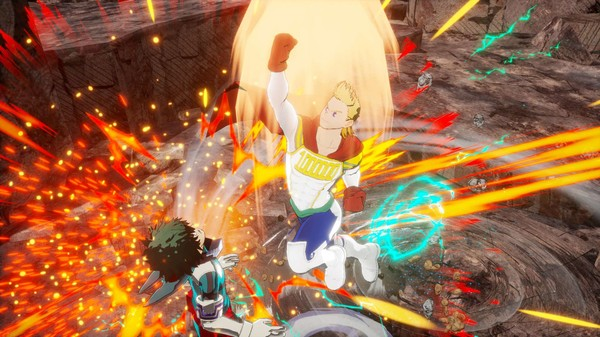
My Hero One’s Justice 2 brings the superhero action of My Hero Academia to the Nintendo Switch, offering an arena fighter that captures the quirky and explosive battles of the popular anime series.

Variety of Game Modes

My Hero One’s Justice 2 offers a standard but solid selection of game modes. The Story Mode allows players to experience key events from the anime’s narrative, covering arcs that follow the first game. The Mission Mode provides additional challenges and unlockables, adding some replay value for solo players. Versus Mode supports both local and online multiplayer, allowing fans to settle debates about their favorite heroes and villains. The Training Mode helps players master the intricacies of each character’s quirk-based moveset. While these modes cover the basics expected from a fighting game, the game doesn’t introduce many innovative features that set it apart from its peers or its predecessor.

Skill Ceiling

The skill ceiling in My Hero One’s Justice 2 is moderate, offering enough depth to reward dedicated players without alienating casual fans. The combat system emphasizes flashy moves and combos that are relatively easy to execute, making it accessible for newcomers to the fighting game genre. Advanced players can find depth in mastering perfect guards, dash cancels, and optimal quirk usage for each character. The inclusion of assist characters adds a layer of strategy to team composition and extends combo possibilities. However, compared to more technically demanding fighting games, the skill ceiling may feel limited for hardcore genre enthusiasts. This balance makes the game approachable for fans of the anime while still providing enough depth to keep players engaged.

Combat

The combat in My Hero One’s Justice 2 captures the essence of the quirk-based battles from My Hero Academia. Each character’s moveset is built around their unique superpower, from Deku’s Full Cowl techniques to Bakugo’s explosive attacks. The 3D arena format allows for dynamic encounters, with players able to use the environment to their advantage. The visual presentation of quirks is impressive, with special moves that feel impactful and true to the source material. The inclusion of a Plus Ultra meter adds a strategic element, allowing for powered-up states and spectacular finishers. While the combat system may lack the technical depth of traditional 2D fighters, it succeeds in delivering exciting and visually appealing battles that feel authentic to the My Hero Academia universe.

Story

The Story Mode in My Hero One’s Justice 2 provides a decent recap of key events from the anime, picking up where the first game left off. Players can experience significant battles and moments from the series, with the narrative unfolding through a combination of in-engine cutscenes and still images with voice-over. The ability to play through story events from both the hero and villain perspectives adds some variety and replayability. However, the storytelling can feel disjointed at times, with the game assuming a level of familiarity with the source material. While it serves as a good interactive companion to the anime, it may not offer much new for die-hard fans who are already familiar with the plot.

My Hero One’s Justice 2 stands as a solid entry in the arena fighter genre on the Nintendo Switch, particularly for fans of My Hero Academia. While it may not revolutionize the fighting game formula, its faithful representation of the series’ quirk-based combat and diverse character roster make it an enjoyable experience for those looking to step into the shoes of their favorite heroes and villains.


In conclusion, the Nintendo Switch hosts a variety of anime fighting games that cater to different tastes and skill levels. From the technical depth of Under Night In-Birth Exe:Late[cl-r] to the flashy, accessible combat of Demon Slayer: The Hinokami Chronicles, there’s something for every fan of the genre. Each of the games brings something unique to the table, whether it’s complex mechanics, fan service, or accessible gameplay. While they may not all be perfect, these hidden gems offer fighting game enthusiasts and anime fans alike plenty of reasons to pick up their Switch and jump into some thrilling battles.
/meta-title: Best Anime Fighting Games for the Nintendo Switch that are Hidden Gems in 2024

/meta-description: Discover some of the best Nintendo Switch Games of the anime fighting genre that are hidden gems, ranked based on metrics such as skill ceiling, combat, and diversity of games modes.

Best Steam Deck Survival games in 2024

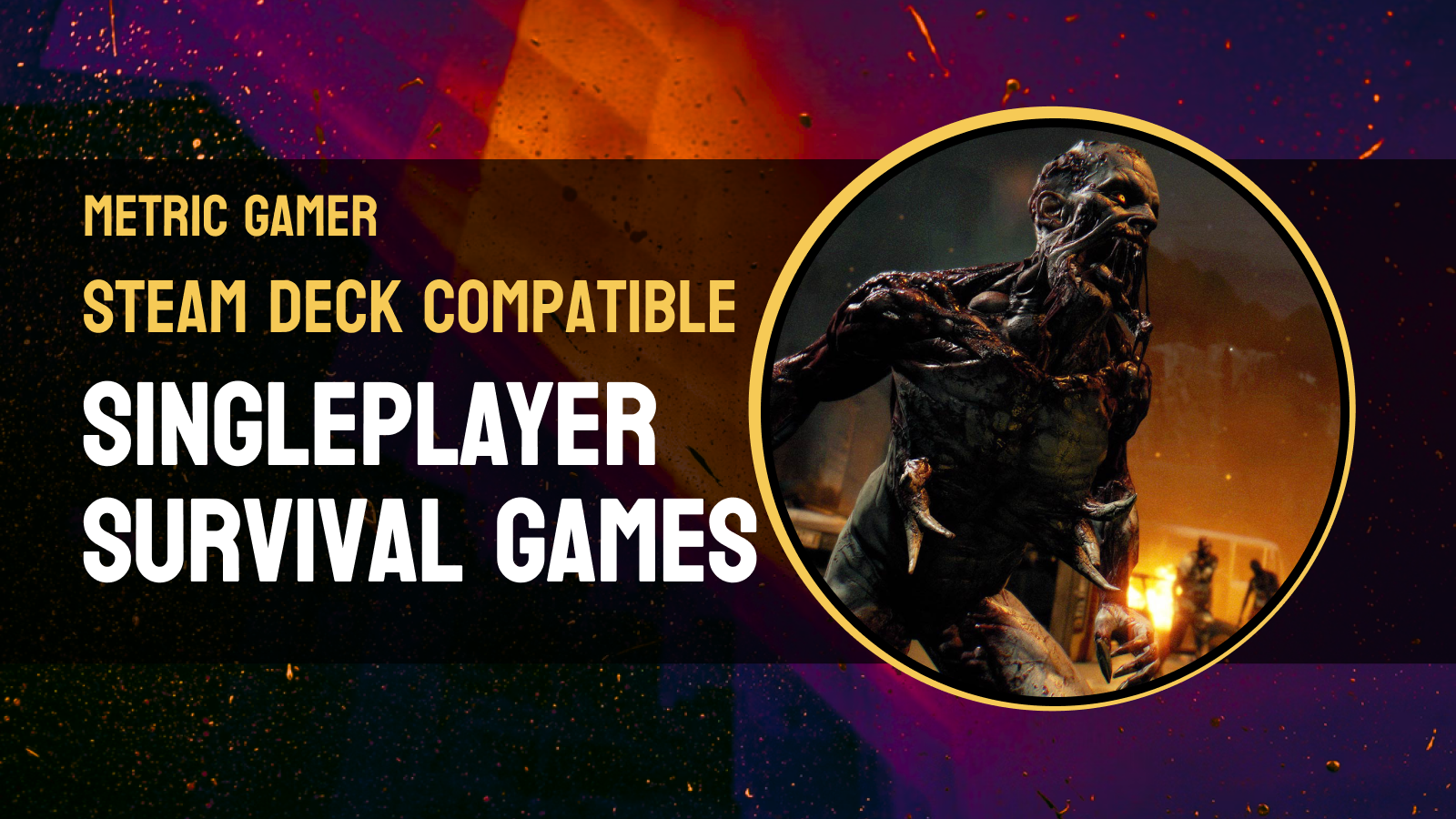
the thumbnail image showing the title of the blog and a screenshot of the dying light gameplay

What are the best Steam Deck games ranked for singleplayer survival fans?

With the highly anticipated release of Silent Hill 2, it can be a shame to discover the game is not Steam Deck Verified (as of right now). So, to scratch that single player survival game itch on the Steam Deck, we have compiled a comprehensive guide of some of the best survival games on Steam. The best part? All of them are Steam Deck verified, meaning they are perfect for on-the-go gaming! Expect ratings based on:

Story Exploration Combat
Survival Mechanics

Resident Evil 2 and 4 /rating:4.5

Ratings (Out of 5)

  • Combat: Outstanding 5 /icon:star/rating:5
  • Exploration: Great 4 /icon:star/rating:4
  • Story: Outstanding 5 /icon:star/rating:5
  • Survival Mechanics: Outstanding 5 /icon:star/rating:5
  • Players: 1 /icon:gamepad/rating:1
  • Cross-Platform Play: No

Available On:

  • Steam Deck
  • PC
  • PlayStation 4
  • PlayStation 5
  • Xbox One
  • Xbox Series X/S

Game Features

  • Single Player
  • Intense survival horror experience
  • Resource management
  • Puzzle solving
  • Multiple playable characters

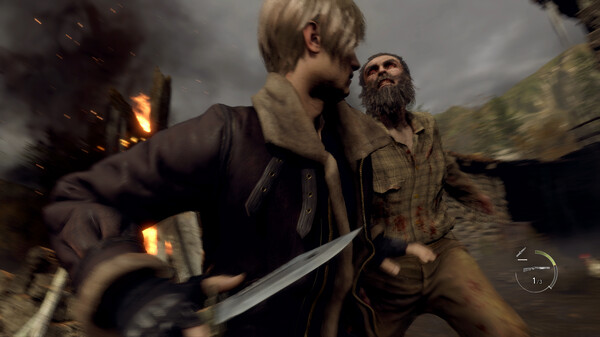
Resident Evil 2 and 4 bring classic survival horror to the Steam Deck, offering tense and immersive experiences that shines on the portable screen.

Combat

The combat in Resident Evil 2 and 4 is a masterclass in survival horror gameplay. Each encounter feels tense and meaningful, with limited resources adding weight to every decision. The over-the-shoulder perspective, introduced in Resident Evil 4 and refined in the Resident Evil 2 remake, provides precise aiming that translates well to the Steam Deck’s controls. Enemies are varied and challenging, requiring different strategies to overcome. The satisfying feedback of each shot and the strategic dismemberment mechanics in Resident Evil 2 create a combat system that’s both visceral and tactical.

Exploration

Both games excel in creating atmospheric environments that beg to be explored. The intricate level design encourages thorough investigation, with hidden items and secrets rewarding observant players. Resident Evil 2’s police station and Resident Evil 4’s rural village are memorable settings, each filled with puzzles and locked areas that gradually open up as you progress. The Steam Deck’s portability enhances this aspect, allowing players to dive into these rich environments whenever they have a spare moment.

Story

The narratives in Resident Evil 2 and 4 are compelling and well-paced, driving players forward through the horror-filled worlds. Resident Evil 2’s dual storylines, following Leon Kennedy and Claire Redfield, offer different perspectives on the Raccoon City outbreak. Resident Evil 4’s story takes a more action-oriented approach, with Leon’s mission to rescue the President’s daughter evolving into a fight against a sinister cult. Both games feature strong character development and memorable villains, creating stories that resonate long after the credits roll.

Survival Mechanics

The survival mechanics in these games are finely tuned to create a constant sense of tension. Inventory management is crucial, forcing players to make tough decisions about what to carry. The limited save system in Resident Evil 2 (using typewriters and ink ribbons) adds to the suspense, making each safe room a welcome respite. Health is a precious resource, with herbs and first aid sprays requiring strategic use. The crafting system in both games allows for some flexibility in resource management, adding depth to the survival experience.

Resident Evil 2 and 4 stand as pinnacles of the survival horror genre, offering experiences that are perfectly suited for the Steam Deck. The combination of intense combat, atmospheric exploration, gripping storytelling, and challenging survival mechanics creates games that are both thrilling and deeply satisfying gameplay experiences.


Dead Space /rating:4.5

Ratings (Out of 5)

  • Combat: Outstanding 5 /icon:star/rating:5
  • Exploration: Great 4 /icon:star/rating:4
  • Story: Great 4 /icon:star/rating:4
  • Survival Mechanics: Outstanding 5 /icon:star/rating:5
  • Players: 1 /icon:gamepad/rating:1
  • Cross-Platform Play: No

Available on:

  • Steam Deck
  • PC
  • PlayStation 3 (original)
  • Xbox 360 (original)
  • PlayStation 5 (remake)
  • Xbox Series X/S (remake)

Game Features

  • Single Player
  • Sci-fi survival horror
  • Strategic dismemberment combat
  • Zero-gravity sections
  • Upgradeable weapons and abilities

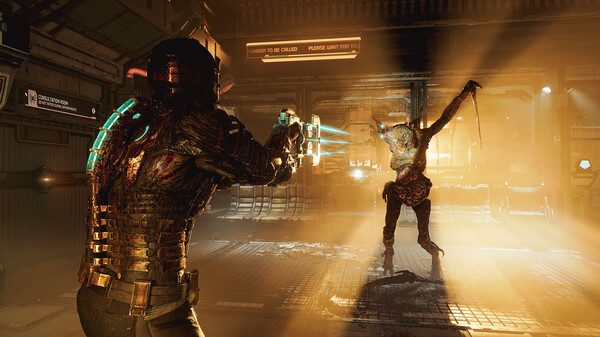
Dead Space brings deep space terror to the Steam Deck, offering a unique blend of sci-fi horror and action that’s perfectly suited for portable play.

Combat

Dead Space’s combat system is revolutionary in the survival horror genre. The strategic dismemberment mechanic adds a layer of depth to each encounter, requiring players to target specific limbs to efficiently take down the Necromorphs. This precision-based combat translates surprisingly well to the Steam Deck’s controls, with the gyro aiming option enhancing accuracy. The variety of weapons, each with alternate fire modes, encourages experimentation and adaptation to different situations. The tension of combat is amplified by the claustrophobic environments of the USG Ishimura, making each battle a heart-pounding experience.

Exploration

The USG Ishimura serves as a character in its own right, with its winding corridors and vast chambers begging to be explored. The game’s level design encourages backtracking with new abilities, revealing previously inaccessible areas and rewards. The zero-gravity sections add a unique dimension to exploration, allowing for 360-degree movement that’s both disorienting and exhilarating. The Steam Deck’s OLED screen (on newer models) enhances the game’s dark, atmospheric visuals, making exploration in the dimly lit ship even more immersive.

Story

Dead Space weaves a compelling narrative that blends cosmic horror with personal tragedy. The story of Isaac Clarke’s search for his girlfriend Nicole amidst the Necromorph outbreak is both haunting and engaging. The game’s approach to storytelling, with much of the plot revealed through audio logs and environmental details, is well-suited to the Steam Deck’s pick-up-and-play nature. The gradual unraveling of the Unitologist conspiracy and the true nature of the Marker creates a narrative that keeps players invested throughout their journey.

Survival Mechanics

Dead Space excels in its survival mechanics, creating a constant sense of vulnerability even as the player grows stronger. The resource management is tight, with ammo and health packs always feeling scarce. The unique health bar integrated into Isaac’s suit adds to the immersion, eliminating the need for a traditional HUD. The upgrade system for both weapons and Isaac’s suit provides meaningful progression, allowing players to tailor their playstyle. The Store and workbench mechanics add a strategic layer to resource management, forcing players to make tough decisions about what to buy, sell, or upgrade.

Dead Space stands as a masterpiece of survival horror, offering an experience that’s both terrifying and exhilarating on the Steam Deck. Its combination of innovative combat, atmospheric exploration, engaging storytelling, and challenging survival mechanics makes it a must-play for fans of the genre looking for a premium portable gaming experience.


Dying Light /rating:4

  • Combat: Great 4 /icon:star/rating:4
  • Exploration: Outstanding 5 /icon:star/rating:5
  • Story: Good 3 /icon:star/rating:3
  • Survival Mechanics: Great 4 /icon:star/rating:4
  • Players: 4 /icon:gamepad/rating:4
  • Cross-Platform Play: No

Available On:

  • Steam Deck
  • PC
  • PlayStation 4
  • Xbox One
  • Nintendo Switch

Game Features

  • Single Player (with co-op options)
  • Open-world zombie survival
  • Parkour movement system
  • Day/night cycle with increased difficulty
  • Crafting and weapon modification

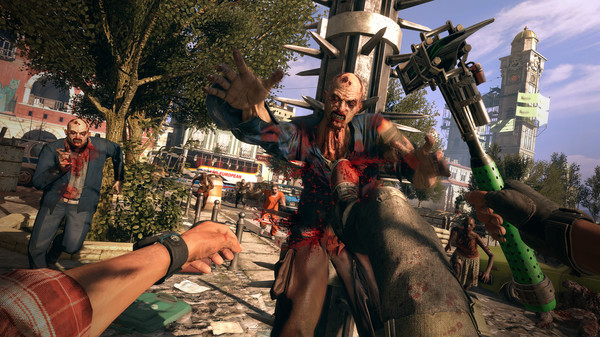
Dying Light brings parkour-infused zombie survival to the Steam Deck, offering a unique blend of action, exploration, and horror in a portable package.

Combat

Dying Light’s combat system shines in its visceral, up-close encounters with the infected. The melee-focused gameplay feels weighty and impactful, with each swing of a weapon carrying real consequence. The addition of parkour elements to combat creates dynamic encounters, allowing players to use the environment to their advantage. The progression system, which unlocks new combat abilities over time, ensures that fighting remains engaging throughout the game. While firearms are available, their limited ammo makes each shot count, maintaining the tension of survival horror.

Exploration

The city of Harran is a playground for parkour enthusiasts, with its dense urban environment designed for fluid movement. The freerunning mechanics are smooth and intuitive, translating well to the Steam Deck’s controls. The open-world design encourages exploration, with hidden caches, side quests, and scenic vistas rewarding curious players. The day/night cycle adds a thrilling dimension to exploration, with the more dangerous nighttime encouraging risky excursions for greater rewards. The Steam Deck’s portability enhances this aspect, allowing players to engage in quick scavenging runs or longer expeditions as time allows.

Story

While not the game’s strongest aspect, Dying Light’s narrative provides sufficient motivation to progress through its zombie-infested world. The story follows Kyle Crane, an undercover agent sent to infiltrate a quarantine zone, and touches on themes of survival, loyalty, and the breakdown of society. Side quests often offer more compelling narratives, presenting moral dilemmas and character-driven stories that add depth to the world. The game’s approach to storytelling, with many quests able to be completed in short bursts, is well-suited to the Steam Deck’s portable nature.

Survival Mechanics

Dying Light’s survival mechanics create a constant sense of tension and progression. The crafting system allows players to create and modify weapons, adding a layer of strategy to resource management. The day/night cycle is a standout feature, with the more aggressive nighttime zombies forcing players to adapt their tactics. Safe zones provide respite and serve as fast travel points, but reaching them often requires careful planning. The skill trees for survival, agility, and combat provide a sense of growth, with each level-up feeling impactful. The inclusion of consumables like medkits and boosters adds depth to moment-to-moment survival decisions.

Dying Light offers a unique take on the survival horror genre, blending parkour mechanics with zombie survival to create an experience that feels fresh and exciting. Its emphasis on fluid movement and environmental interaction, combined with solid combat and survival elements, makes it a real standout title.


SOMA /rating:3.25

Ratings (Out of 5)

  • Combat: Poor 1 /icon:star/rating:1
  • Exploration: Great 4 /icon:star/rating:4
  • Story: Outstanding 5 /icon:star/rating:5
  • Survival Mechanics: Good 3 /icon:star/rating:3
  • Players: 1 /icon:gamepad/rating:1
  • Cross-Platform Play: No

Available On:

  • Steam Deck
  • PC
  • PlayStation 4
  • Xbox One

Game Features

  • Single Player
  • Psychological horror
  • Underwater sci-fi setting
  • Stealth-based gameplay
  • Philosophical narrative

SOMA brings existential dread to the Steam Deck, offering a thought-provoking and atmospheric horror experience that challenges players’ perceptions of consciousness and humanity.

Combat

SOMA intentionally eschews traditional combat mechanics, focusing instead on stealth and avoidance. The lack of combat contributes to the game’s atmosphere of vulnerability and dread. Players must navigate around hostile entities, using sound and environmental cues to avoid detection. While this approach may not appeal to action-oriented players, it creates a tense and immersive experience that aligns perfectly with the game’s themes of helplessness and survival. The Steam Deck’s intimate screen and headphone setup enhance these stealth sections, making every encounter feel immediate and dangerous.

Exploration

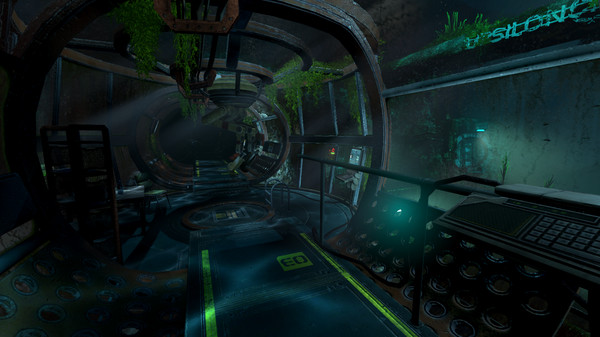
The underwater facility of PATHOS-II is a masterpiece of atmospheric level design. Each area feels distinct and lived-in, with environmental storytelling providing insights into the facility’s history and the fate of its inhabitants. The game encourages thorough exploration, with terminals, audio logs, and interactive objects fleshing out the rich backstory. The underwater sections, where players navigate the abyssal depths between facility sections, create a sense of isolation and wonder.

Story

SOMA’s narrative is its crowning achievement, tackling complex philosophical questions about consciousness, identity, and the nature of humanity. The story follows Simon Jarrett as he awakens in the underwater facility, unraveling the mystery of his situation and the fate of the world above. The game presents moral dilemmas that have no easy answers, forcing players to confront uncomfortable truths about existence and continuity of self. The narrative unfolds through a combination of environmental storytelling, character interactions, and pivotal choice moments, creating a deeply engaging experience that lingers long after the game ends.

Survival Mechanics

While not as prominent as in other survival horror games, SOMA’s survival mechanics contribute significantly to its atmosphere of tension and vulnerability. Resource management is minimal, focusing instead on careful navigation of hostile environments. The player’s ability to interact with the environment to create distractions or hide from threats adds a layer of strategy to survival. The game’s approach to player “death” is unique, with failures often resulting in disorientation rather than a traditional game over, maintaining immersion.

SOMA offers a unique and thought-provoking survival horror experience on the Steam Deck. While it may not feature traditional combat or extensive survival mechanics, its atmospheric exploration, masterful storytelling, and philosophical depth create an unforgettable journey that’s perfectly suited for immersive portable play.


Outlast 1 & 2 /rating:3

Ratings (Out of 5)

  • Combat: Poor 1 /icon:star/rating:1
  • Exploration: Great 4 /icon:star/rating:4
  • Story: Great 4 /icon:star/rating:4
  • Survival Mechanics: Good 3 /icon:star/rating:3
  • Players: 1 /icon:gamepad/rating:1
  • Cross-Platform Play: No

Available On:

  • Steam Deck
  • PC
  • PlayStation 4
  • Xbox One
  • Nintendo Switch

Game Features

  • Single Player
  • First-person survival horror
  • Stealth-based gameplay
  • Night vision camera mechanics
  • Intense chase sequences

Outlast 1 and 2 bring pure, unadulterated horror to the Steam Deck, offering intense and terrifying experiences that push the boundaries of the survival horror genre.

Combat

Outlast intentionally removes all combat options, leaving players completely defenseless against the horrors they encounter. This design choice creates a constant state of vulnerability and fear, as every encounter becomes a desperate struggle for survival. The lack of combat is compensated by intense chase sequences and stealth sections, where timing and environmental awareness are crucial. While this approach may frustrate players looking for more active gameplay, it perfectly serves the game’s goal of creating pure, unrelenting terror.

Exploration

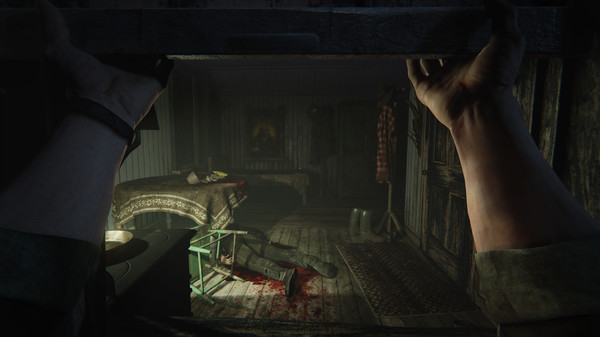
Both Outlast games excel in creating richly detailed, nightmarish environments that beg to be explored – albeit cautiously. The first game’s Mount Massive Asylum and the second’s rural Arizona setting are filled with dark corners, hidden passages, and environmental storytelling elements. The level design encourages thorough investigation to find key items, batteries for your camera, and documents that flesh out the backstory. The Steam Deck’s portability allows players to dive into these terrifying worlds in short bursts, perfect for those who might find the intensity overwhelming in longer sessions.

Story

Outlast’s narratives delve into dark, controversial themes that push the boundaries of horror storytelling. The first game follows journalist Miles Upshur as he uncovers the twisted experiments at Mount Massive Asylum, while the sequel explores religious fanaticism and cult psychology through the eyes of cameraman Blake Langermann. Both games use a combination of found footage style storytelling, environmental clues, and intense set pieces to craft narratives that are as disturbing as they are engaging. The stories unfold at a brisk pace, well-suited to the Steam Deck’s pick-up-and-play nature, keeping players invested in uncovering the next shocking revelation.

Survival Mechanics

Outlast’s survival mechanics are minimalistic but effective in maintaining tension throughout the experience. The core mechanic revolves around managing the battery life of your night vision camera, which is essential for navigating dark areas and spotting threats. This creates a constant risk-reward dynamic, as players must decide when to use this limited resource. The inability to fight back means that stealth and quick thinking are your primary tools for survival. Hiding spots like lockers, beds, and dark corners become crucial for evading enemies. In Outlast 2, the addition of a microphone feature for detecting distant sounds adds another layer to the survival mechanics. The Steam Deck’s touchscreen can enhance interactions with the camera and inventory, adding to the immersive experience.

Outlast 1 and 2 offer intense, psychological horror experiences that are well-suited to the Steam Deck’s portable nature. While they may not feature traditional combat or complex survival systems, their focus on stealth, exploration, and storytelling creates a uniquely terrifying journey that horror enthusiasts can enjoy on the go.


In conclusion, the Steam Deck offers an impressive selection of single-player survival games that cater to a variety of horror enthusiasts. From the intense combat and atmospheric storytelling of Resident Evil 2/4 and Dead Space to the unique parkour mechanics of Dying Light, each title provides a distinct experience that shines on the portable platform. SOMA and Outlast further demonstrate that survival horror can thrive without traditional combat, focusing instead on psychological tension and immersive narratives. The Steam Deck’s portability enhances these chilling adventures, allowing players to dive into terrifying worlds anytime, anywhere. Whether you’re battling zombies, navigating dark underwater facilities, or evading relentless foes, these games ensure that survival horror fans have plenty of thrilling options to explore on the go.

/meta-title: Best Steam Deck Survival Games in 2024

/meta-description: Discover some of the best Steam Deck Survival Games ranked based on metrics based on metrics such as story, combat, and survival mechanics.