Best Anime Fighting Games for the Nintendo Switch that are Hidden Gems in 2024

What are the best Nintendo Switch fighting games ranked in 2024?

Check out our previous blog on anime fighting games here!

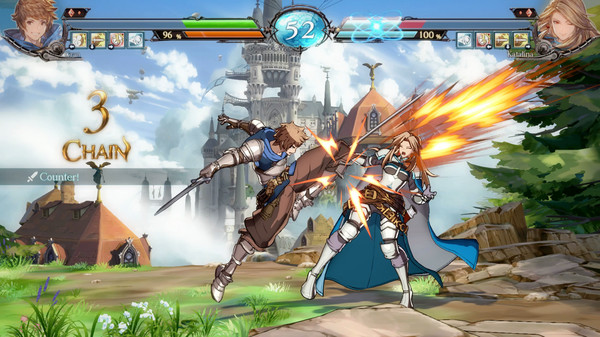
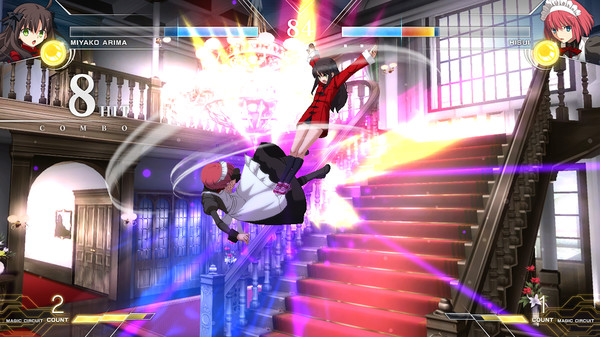
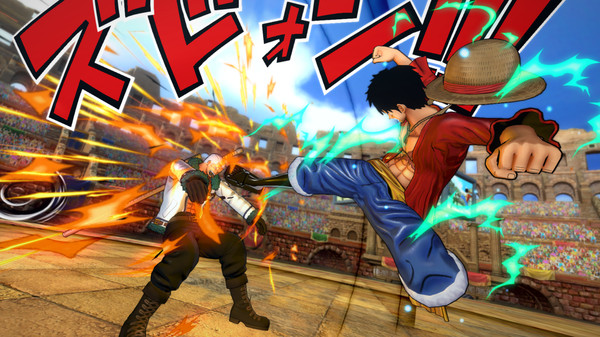
The Nintendo Switch has become a haven for fighting game enthusiasts, offering a perfect blend of portability and power. While many popular franchises dominate the spotlight, there are several hidden gems in the anime fighting game genre that deserve attention. In this comprehensive guide, we’ll explore five exceptional anime fighting games that shine on the Switch, assessing them based on key elements that define the genre. Expect ratings based on variety of game modes, skill ceiling, combat mechanics, and story depth!

Story Skill Ceiling Diversity of Game Modes
Combat

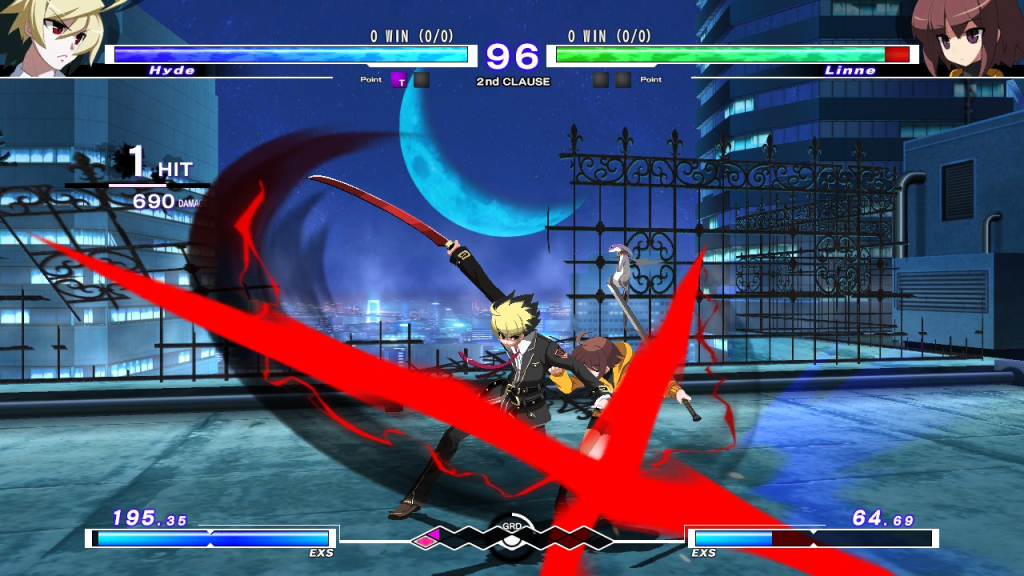
Under Night In-Birth Exe:Late[cl-r] /rating:4.25

Ratings (Out of 5)

  • Story: Good 3 /icon:star/rating:3
  • Skill Ceiling: Outstanding 5 /icon:star/rating:5
  • Diversity of Game Modes: Great 4/icon:star/rating:4
  • Combat: Outstanding 5 /icon:star/rating:5
  • Players: 2 /icon:gamepad/rating:2
  • Cross-Platform Play: No

Available On:

  • Nintendo Switch
  • PlayStation 4
  • PC

Game Features

  • Extensive Tutorial System
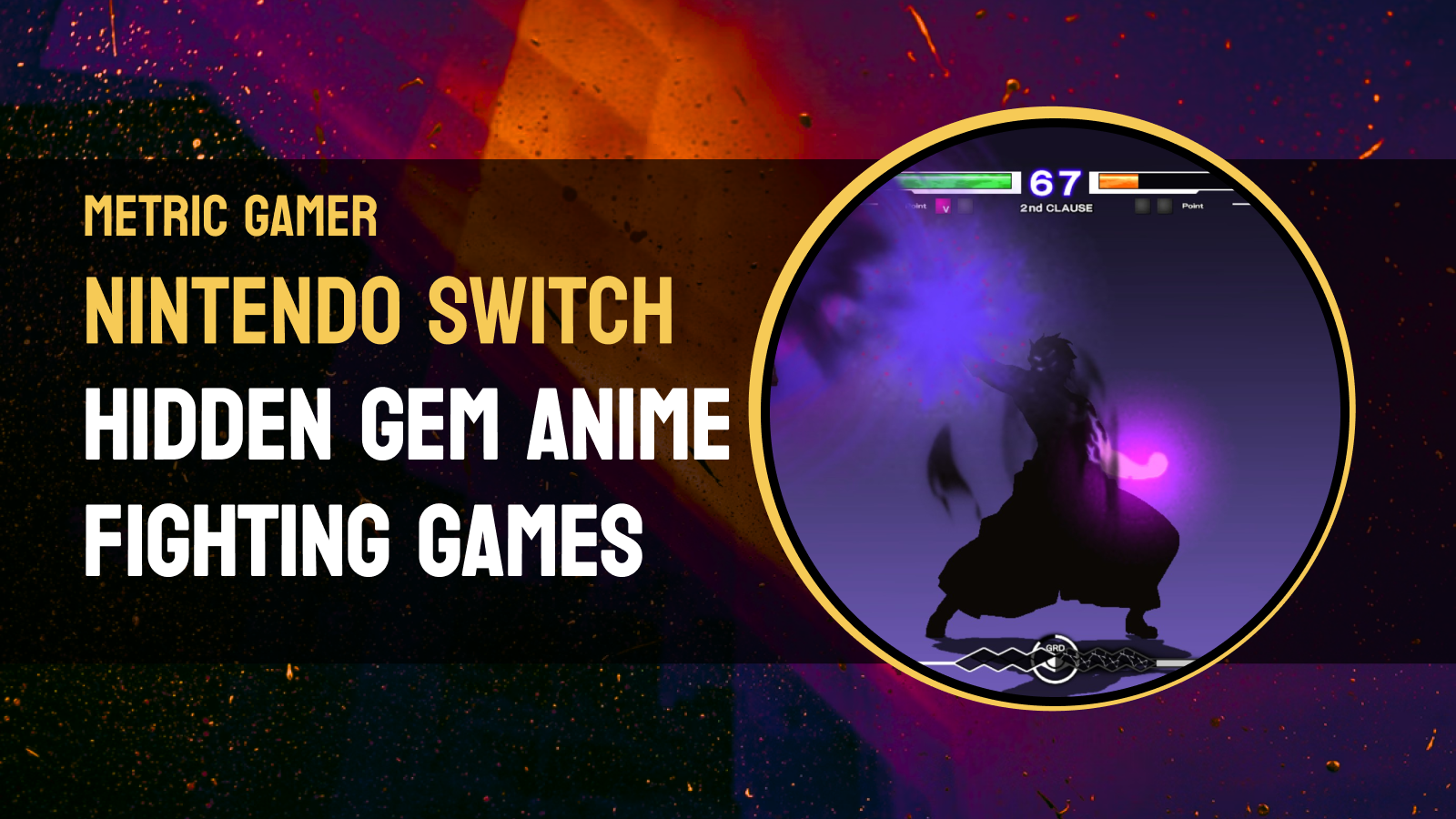
  • Unique GRD (Grind Grid) Mechanic
  • Chronicle Mode for Story
  • Various Arcade and Versus Modes

Under Night In-Birth Exe:Late[cl-r] brings a deep and technical fighting game experience to the Nintendo Switch, offering a hidden gem for those seeking a challenge.

Variety of Game Modes

Under Night In-Birth Exe:Late[cl-r] offers a robust selection of game modes that cater to both single-player and competitive play. The arcade mode provides a traditional fighting game experience, while the versus mode allows for local multiplayer battles. The inclusion of time attack and score attack modes adds replayability for those seeking to improve their skills. The standout feature is the extensive tutorial system, which goes beyond basic move lists to teach advanced fighting game concepts. This comprehensive approach to teaching game mechanics sets Under Night apart from many of its peers, making it an excellent choice for both newcomers and veterans of the genre.

Skill Ceiling

The skill ceiling in Under Night In-Birth Exe:Late[cl-r] is remarkably high, offering a deep well of techniques and strategies for players to master. The game’s unique GRD (Grind Grid) system adds a layer of resource management to fights, rewarding aggressive play and creating a constant ebb and flow to matches. Mastering the intricacies of the GRD system, along with character-specific combos and mixups, provides a satisfying long-term goal for dedicated players. The game’s balance between accessibility and depth ensures that while new players can enjoy the basics, there’s always room for improvement and optimization at higher levels of play.

Combat

The combat in Under Night In-Birth Exe:Late[cl-r] is fast-paced, fluid, and deeply satisfying. Each character in the diverse roster feels unique, with distinct playstyles that cater to various approaches to fighting games. The chain-based combo system allows for creative expression in offense, while the defensive options provide counterplay opportunities. The aforementioned GRD system adds a strategic layer to every interaction, making even footsies and neutral game engaging. The game’s smooth animations and responsive controls translate well to the Nintendo Switch, ensuring that the technical demands of high-level play are achievable on the portable console.

Story

While not the primary focus of the game, Under Night In-Birth Exe:Late[cl-r] offers a surprisingly deep narrative for those willing to delve into it. The Chronicle Mode presents an extensive visual novel-style story that explores the game’s world and characters. The plot, revolving around the supernatural phenomenon known as the Hollow Night, provides context for the diverse cast and their motivations. However, the story’s delivery through text-heavy scenes may not appeal to all players, and its complexity can be overwhelming for those not invested in the lore. Despite these potential drawbacks, the depth of the narrative adds value for players who enjoy rich backstories in their fighting games.

Under Night In-Birth Exe:Late[cl-r] stands out as a hidden gem in the Nintendo Switch’s fighting game library. Its combination of deep mechanics, excellent combat, and comprehensive tutorial system makes it a must-play for fighting game enthusiasts looking for a new challenge. While its story mode may be divisive, the core gameplay experience offers endless depth and replayability for those willing to invest the time to master its systems.


JoJo’s Bizarre Adventure: All Star Battle R /rating:3.75

Ratings (Out of 5)

  • Story: Good 3 /icon:star/rating:3
  • Skill Ceiling: Great 4 /icon:star/rating:4
  • Diversity of Game Modes: Great 4/icon:star/rating:4
  • Combat: Great 4 /icon:star/rating:4
  • Players: 2 /icon:gamepad/rating:2
  • Cross-Platform Play: No

Available on:

  • Nintendo Switch
  • PlayStation 4
  • PlayStation 5
  • Xbox One
  • Xbox Series X/S
  • PC

Game Features

  • Large Roster
  • Unique Stand System
  • Story Mode
  • Battle Mode
  • Practice Mode
  • Arcade Mode
  • Online Play
  • Faithful Adaptation

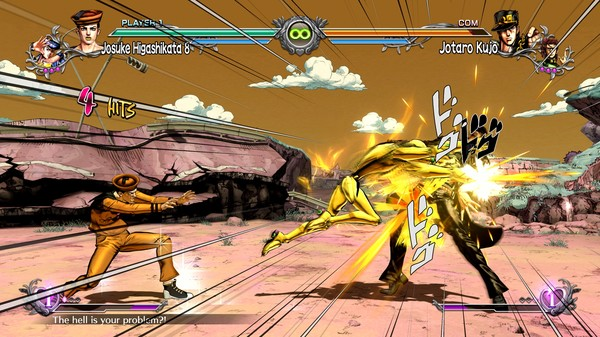
JoJo’s Bizarre Adventure: All Star Battle R brings the flamboyant and over-the-top action of the beloved anime and manga series to the Nintendo Switch, offering a fighting game experience that’s as bizarre as its source material.

Variety of Game Modes

JoJo’s Bizarre Adventure: All Star Battle R impresses with its diverse array of game modes. The All Star Battle Mode serves as the primary single-player experience, offering a series of what-if battles that span the entire JoJo timeline. Arcade Mode provides a more traditional fighting game experience, while Versus Mode allows for local multiplayer battles. The inclusion of a Practice Mode with detailed command lists helps players master the unique mechanics of each character. Online play rounds out the package, ensuring that players always have opponents to test their skills against. The variety of modes caters to both casual fans of the series and serious fighting game enthusiasts, providing ample content to explore on the Switch.

Skill Ceiling

The skill ceiling in JoJo’s Bizarre Adventure: All Star Battle R is notably high, thanks to the game’s unique Stand system and character-specific mechanics. Each character’s playstyle is deeply rooted in their abilities from the source material, leading to a diverse roster with widely varying approaches to combat. Mastering the intricacies of Stand activation, character-specific gimmicks, and optimal combo routes provides a satisfying challenge for dedicated players. The game’s balance between flashy, easy-to-execute special moves and more technical advanced techniques ensures that while new players can enjoy the spectacle, there’s always room for skill expression at higher levels of play.

Combat

The combat in JoJo’s Bizarre Adventure: All Star Battle R is a faithful representation of the series’ outlandish battles. The Stand system, where characters can summon manifestations of their fighting spirit, adds a unique dynamic to fights. Some characters can freely switch between Stand and non-Stand modes, effectively giving players two movesets to master. The inclusion of stage gimmicks and dramatic finishers adds to the spectacle, creating memorable moments that feel ripped straight from the manga panels. While the combat system may not be as technically deep as some traditional fighting games, it excels in capturing the essence of JoJo’s stylish and strategic battles.

Story

The story presentation in JoJo’s Bizarre Adventure: All Star Battle R is tailored more towards fans of the series than newcomers. The All Star Battle Mode offers a series of what-if scenarios that span across all parts of JoJo’s Bizarre Adventure, allowing fans to experience dream matchups and alternate takes on iconic moments. However, the lack of a traditional story mode with cutscenes or extensive dialogue may disappoint players looking for a more narrative-driven experience. The game assumes a certain level of familiarity with the source material, which can make the context for battles confusing for those new to JoJo. Despite these limitations, the sheer variety of character interactions and faithful recreation of the series’ iconic moments provide ample fanservice for JoJo enthusiasts.

JoJo’s Bizarre Adventure: All Star Battle R stands out as a love letter to fans of the series, offering a fighting game experience that’s dripping with style and fanservice. While it may not reach the technical depths of some fighting game staples, its unique mechanics and faithful adaptation of the source material make it a hidden gem for both JoJo fans and fighting game enthusiasts on the Nintendo Switch.


Demon Slayer: Kimetsu no Yaiba – The Hinokami Chronicles /rating:3.5

  • Story: Great 4 /icon:star/rating:4
  • Skill Ceiling: Good 3 /icon:star/rating:3
  • Diversity of Game Modes: Good 3 /icon:star/rating:3
  • Combat: Great 4 /icon:star/rating:4
  • Players: 2 /icon:gamepad/rating:2
  • Cross-Platform Play: No

Available On:

  • Nintendo Switch
  • PlayStation 4
  • PlayStation 5
  • Xbox One
  • Xbox Series X/S
  • PC

Game Features

  • Story Mode
  • Versus Mode
  • Practice Mode
  • Diverse Roster
  • Online Multiplayer Battles

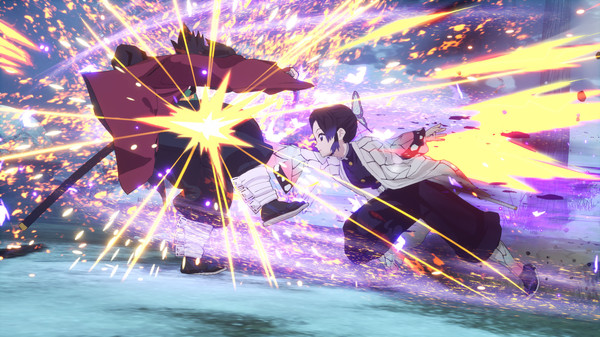
Demon Slayer: Kimetsu no Yaiba – The Hinokami Chronicles brings the popular anime series to life on the Nintendo Switch, offering a visually stunning fighting game experience that captures the essence of the show’s breathtaking battles.

Variety of Game Modes

Demon Slayer: The Hinokami Chronicles offers a solid, if somewhat standard, selection of game modes. The Story Mode serves as the centerpiece, allowing players to relive key moments from the anime’s first season and the Mugen Train arc. This mode blends exploration and combat, providing a more varied experience than typical fighting game story modes. The Versus Mode allows for local and online multiplayer battles, while the Training Mode helps players master the intricacies of each character’s moveset. While these modes cover the essentials, the game lacks additional content that might extend its longevity, such as challenge towers or more extensive single-player content beyond the main story.

Skill Ceiling

The skill ceiling in Demon Slayer: The Hinokami Chronicles is moderate, offering room for mastery without overwhelming complexity. The combat system emphasizes accessibility, allowing players to perform impressive combos with relatively simple inputs. Advanced players can find depth in mastering perfect guards, switch cancels, and optimal combo routes for each character. The inclusion of assist characters adds a layer of strategy to team composition and combo extensions. However, compared to more technically demanding fighting games, the skill ceiling may feel limited for hardcore genre enthusiasts. This balance makes the game approachable for fans of the anime while still providing enough depth to reward dedicated practice.

Combat

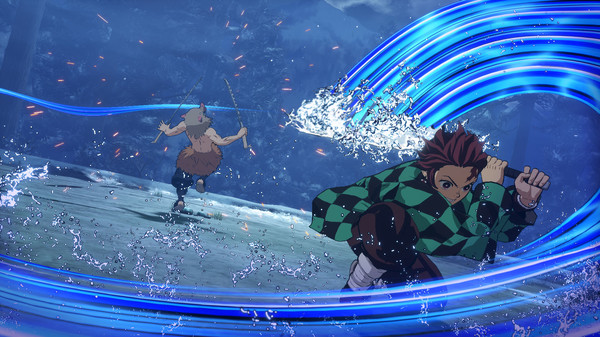
The combat in Demon Slayer: The Hinokami Chronicles is a visual spectacle that faithfully recreates the anime’s dynamic sword battles. Each character’s moveset is deeply rooted in their techniques from the series, from Tanjiro’s Water Breathing to Zenitsu’s lightning-fast Thunder Breathing attacks. The game’s graphics engine does an excellent job of capturing the fluidity and impact of these moves, with special attacks that are particularly impressive on the Switch’s screen. The inclusion of a meter system that allows for powered-up states adds strategic depth to battles, forcing players to manage resources carefully. While the combat system may not be as complex as some traditional 2D fighters, it excels in creating cinematic and engaging battles that feel true to the source material.

Story

The Story Mode in Demon Slayer: The Hinokami Chronicles is one of its strongest features, offering a faithful retelling of the anime’s early arcs. Players can experience key moments from the series, from Tanjiro’s early training to the intense battles of the Mugen Train. The mode blends exploration segments, where players can interact with characters and environments, with combat encounters that recreate iconic fights. The inclusion of voiced cutscenes and faithfully recreated environments adds to the immersion, making it a treat for fans of the series. While the story may not offer much new for those familiar with the anime, it serves as an excellent interactive recap and a way for newcomers to experience the early parts of Demon Slayer’s narrative.

Demon Slayer: Kimetsu no Yaiba – The Hinokami Chronicles stands out as a visually impressive and faithful adaptation of the popular anime series. While it may not push the boundaries of the fighting game genre, its accessible combat system and strong story mode make it a hidden gem for fans of Demon Slayer and casual fighting game players on the Nintendo Switch.


Dengeki Bunko: Fighting Climax Ignition /rating:3.25

Ratings (Out of 5)

  • Story: Average 2 /icon:star/rating:2
  • Skill Ceiling: Great 4 /icon:star/rating:4
  • Diversity of Game Modes: Good 3 /icon:star/rating:3
  • Combat: Great 4 /icon:star/rating:4
  • Players: 2 /icon:gamepad/rating:2
  • Cross-Platform Play: No

Available On:

  • Nintendo Switch
  • PlayStation 3
  • PlayStation 4
  • PlayStation Vita

Game Features

  • Crossover Fighting Game
  • Characters from Various Dengeki Bunko Light Novels
  • Unique Support Character System
  • Arcade Mode
  • Versus Mode
  • Story Mode
  • Training Mode

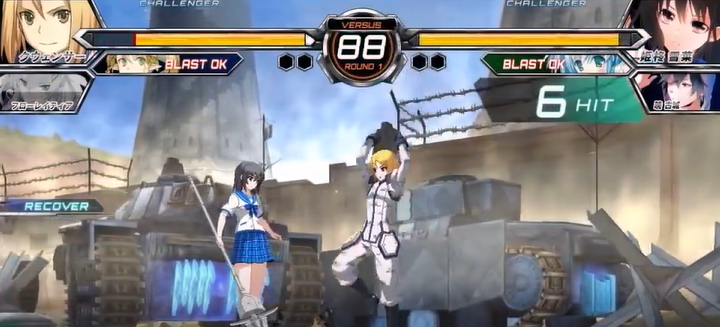
Dengeki Bunko: Fighting Climax Ignition brings together a diverse cast of characters from popular light novels, offering a unique crossover fighting experience on the Nintendo Switch.

Variety of Game Modes

Dengeki Bunko: Fighting Climax Ignition offers a standard selection of game modes that cover the essentials of a fighting game. The Arcade Mode provides a traditional ladder-style experience, while the Story Mode offers character-specific narratives that, while brief, give context to the crossover battles. The Versus Mode allows for local multiplayer matches, essential for a fighting game on the Switch. The Training Mode is particularly noteworthy, offering detailed tutorials that break down the game’s mechanics, making it accessible to newcomers. While these modes provide a solid foundation, the game lacks additional content that might extend its longevity, such as challenge towers or more extensive single-player content beyond the main story and arcade modes.

Skill Ceiling

The skill ceiling in Dengeki Bunko: Fighting Climax Ignition is surprisingly high, offering depth that belies its crossover nature. The game’s unique mechanics, such as the Trump Card system and Support Character attacks, add layers of strategy to matches. Mastering the timing of these elements, along with character-specific combos and mixups, provides a satisfying long-term goal for dedicated players. The balance between accessibility and depth ensures that while new players can enjoy the flashy moves and recognizable characters, there’s always room for improvement and optimization at higher levels of play. This depth is particularly impressive given the game’s diverse roster of characters from different franchises.

Combat

The combat in Dengeki Bunko: Fighting Climax Ignition is fast-paced and visually striking, capturing the essence of each character’s abilities from their respective light novels. The game’s four-button system (weak, medium, strong, and support) provides a good balance between simplicity and depth. The inclusion of the Blast system, which allows for combo breakers and momentum shifts, adds a strategic layer to fights. The Support Character system is a standout feature, allowing players to call in assists that can extend combos or provide defensive options. While the combat system may not be as technically demanding as some traditional fighting games, it offers enough depth and flashy visuals to keep battles exciting and engaging on the Switch’s screen.

Story

The story in Dengeki Bunko: Fighting Climax Ignition is perhaps its weakest element. While the game offers character-specific story modes, the narratives are often brief and serve more as a vehicle for battles than a cohesive plot. The crossover nature of the game means that the story struggles to provide a meaningful context for why characters from different universes are fighting each other. For fans of the various light novels represented, there’s some enjoyment in seeing characters interact, but the storytelling lacks the depth or impact found in fighting games with more focused narratives. The story mode serves its purpose of providing some single-player content, but it’s unlikely to be the main draw for most players.

Dengeki Bunko: Fighting Climax Ignition stands as a unique entry in the Nintendo Switch’s fighting game library. Its crossover nature and accessible yet deep combat system make it a hidden gem for fans of the represented light novels and fighting game enthusiasts looking for something different. While its story mode may be lacking, the solid gameplay mechanics and diverse character roster offer plenty of enjoyment for those willing to dive into its systems.


My Hero One’s Justice 2 /rating:3

Ratings (Out of 5)

  • Story: Good 3 /icon:star/rating:3
  • Skill Ceiling: Good 3 /icon:star/rating:3
  • Diversity of Game Modes: Good 3 /icon:star/rating:3
  • Combat: Good 3 /icon:star/rating:3
  • Players: 2 /icon:gamepad/rating:2
  • Cross-Platform Play: No

Available On:

  • Nintendo Switch
  • PlayStation 4
  • Xbox One
  • PC

Game Features

  • Story Mode
  • Large Roster of Heroes and Villains
  • Customization
  • Online and Local Multiplayer Battles

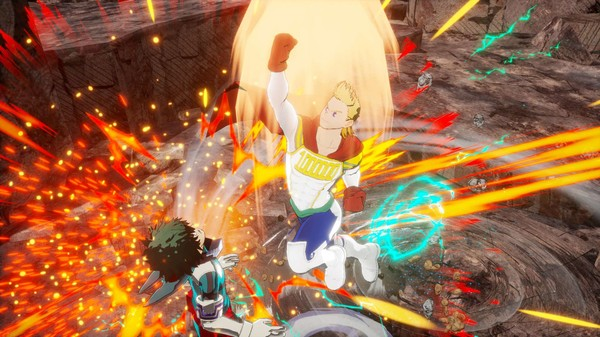
My Hero One’s Justice 2 brings the superhero action of My Hero Academia to the Nintendo Switch, offering an arena fighter that captures the quirky and explosive battles of the popular anime series.

Variety of Game Modes

My Hero One’s Justice 2 offers a standard but solid selection of game modes. The Story Mode allows players to experience key events from the anime’s narrative, covering arcs that follow the first game. The Mission Mode provides additional challenges and unlockables, adding some replay value for solo players. Versus Mode supports both local and online multiplayer, allowing fans to settle debates about their favorite heroes and villains. The Training Mode helps players master the intricacies of each character’s quirk-based moveset. While these modes cover the basics expected from a fighting game, the game doesn’t introduce many innovative features that set it apart from its peers or its predecessor.

Skill Ceiling

The skill ceiling in My Hero One’s Justice 2 is moderate, offering enough depth to reward dedicated players without alienating casual fans. The combat system emphasizes flashy moves and combos that are relatively easy to execute, making it accessible for newcomers to the fighting game genre. Advanced players can find depth in mastering perfect guards, dash cancels, and optimal quirk usage for each character. The inclusion of assist characters adds a layer of strategy to team composition and extends combo possibilities. However, compared to more technically demanding fighting games, the skill ceiling may feel limited for hardcore genre enthusiasts. This balance makes the game approachable for fans of the anime while still providing enough depth to keep players engaged.

Combat

The combat in My Hero One’s Justice 2 captures the essence of the quirk-based battles from My Hero Academia. Each character’s moveset is built around their unique superpower, from Deku’s Full Cowl techniques to Bakugo’s explosive attacks. The 3D arena format allows for dynamic encounters, with players able to use the environment to their advantage. The visual presentation of quirks is impressive, with special moves that feel impactful and true to the source material. The inclusion of a Plus Ultra meter adds a strategic element, allowing for powered-up states and spectacular finishers. While the combat system may lack the technical depth of traditional 2D fighters, it succeeds in delivering exciting and visually appealing battles that feel authentic to the My Hero Academia universe.

Story

The Story Mode in My Hero One’s Justice 2 provides a decent recap of key events from the anime, picking up where the first game left off. Players can experience significant battles and moments from the series, with the narrative unfolding through a combination of in-engine cutscenes and still images with voice-over. The ability to play through story events from both the hero and villain perspectives adds some variety and replayability. However, the storytelling can feel disjointed at times, with the game assuming a level of familiarity with the source material. While it serves as a good interactive companion to the anime, it may not offer much new for die-hard fans who are already familiar with the plot.

My Hero One’s Justice 2 stands as a solid entry in the arena fighter genre on the Nintendo Switch, particularly for fans of My Hero Academia. While it may not revolutionize the fighting game formula, its faithful representation of the series’ quirk-based combat and diverse character roster make it an enjoyable experience for those looking to step into the shoes of their favorite heroes and villains.


In conclusion, the Nintendo Switch hosts a variety of anime fighting games that cater to different tastes and skill levels. From the technical depth of Under Night In-Birth Exe:Late[cl-r] to the flashy, accessible combat of Demon Slayer: The Hinokami Chronicles, there’s something for every fan of the genre. Each of the games brings something unique to the table, whether it’s complex mechanics, fan service, or accessible gameplay. While they may not all be perfect, these hidden gems offer fighting game enthusiasts and anime fans alike plenty of reasons to pick up their Switch and jump into some thrilling battles.
/meta-title: Best Anime Fighting Games for the Nintendo Switch that are Hidden Gems in 2024

/meta-description: Discover some of the best Nintendo Switch Games of the anime fighting genre that are hidden gems, ranked based on metrics such as skill ceiling, combat, and diversity of games modes.

Best Steam Deck Games – Best 2 player Anime Fighting Games

What are the best Steam Deck games in the anime fighting genre?

Check out our previous blog on anime fighting games here!

The Steam Deck has revolutionized portable gaming, bringing a vast library of PC titles to the palm of your hand. Among these, anime fighting games stand out as perfect candidates for on-the-go multiplayer action. In this comprehensive guide, we’ll delve into seven exceptional anime fighting titles that either feature anime-style graphics or are based on popular anime or manga series. The best part? All of them are Steam Deck verified, meaning they are perfect for on-the-go gaming! Expect ratings based on variety of game modes, learning curve, skill ceiling, combat mechanics, and co-op accessibility!

Learning Curve Skill Ceiling Diversity of Game Modes
Combat Co-op Accessibility

Demon Slayer -Kimetsu no Yaiba- The Hinokami Chronicles /rating:4

Ratings (Out of 5)

  • Learning Curve: Great 4 /icon:star/rating:4
  • Skill Ceiling: Great 4 /icon:star/rating:4
  • Diversity of Game Modes: Great 4/icon:star/rating:4
  • Combat: Outstanding 5 /icon:star/rating:5
  • Co-op Accessibility: Good 3 /icon:star/rating:3
  • Players: 2 /icon:gamepad/rating:2
  • Cross-Platform Play: No

Available On:

  • Steam Deck
  • PC
  • PlayStation 4
  • PlayStation 5
  • Xbox One
  • Xbox Series X/S
  • Nintendo Switch

Game Features

  • Single Player Story Mode
  • Versus Mode
  • Online Multiplayer
  • Local Multiplayer
  • Training Mode

Demon Slayer -Kimetsu no Yaiba- The Hinokami Chronicles brings the popular anime series to life on the Steam Deck, offering a visually stunning and accessible fighting game experience.

Learning Curve

With a 4/5 for its learning curve, Demon Slayer strikes an excellent balance between accessibility and depth. Newcomers to fighting games will find the basic controls intuitive, with special moves and combos easy to execute. The game’s tutorial system effectively introduces core mechanics, allowing players to quickly grasp the fundamentals. This approachability makes it an ideal choice for casual play on the Steam Deck.

Skill Ceiling

The skill ceiling in Demon Slayer earns a 4/5, offering room for growth without becoming overwhelming. While the combo system isn’t as extensive as some hardcore fighting games, mastering character-specific techniques and optimal punishes provides a satisfying challenge. The inclusion of advanced mechanics like parries and surge modes adds depth for players looking to improve their skills, ensuring long-term engagement.

Diversity of Game Modes

Players can immerse themselves in the story mode, which faithfully recreates key moments from the anime’s first season and Mugen Train arc. The versus mode allows for quick matches against AI or local opponents. While the game doesn’t offer as many additional modes as some fighting game staples, the quality of its core offerings compensates for this.

Combat

Combat in Demon Slayer beautifully captures the essence of the anime’s sword-based fighting. Each character feels unique, with movesets that reflect their fighting styles from the series. The inclusion of assist characters adds strategic depth, allowing for creative combo extensions and setups. The fluidity of the combat, combined with the Steam Deck’s responsive controls, creates an immersive and enjoyable fighting experience.

Co-op Accessibility

Co-op accessibility scores a 3/5, offering solid options for local multiplayer on the Steam Deck. The game supports local versus matches out of the box, allowing friends to compete using a single device. However, the lack of a dedicated co-op story mode or tag team options slightly limits its cooperative potential. Despite this, the ease of setting up quick matches makes it a great choice for impromptu gaming sessions on the go.

Demon Slayer -Kimetsu no Yaiba- The Hinokami Chronicles stands out as an excellent anime fighting game for the Steam Deck. Its combination of stunning visuals, accessible gameplay, and faithful representation of the source material makes it a must-play for fans of the series and fighting game enthusiasts alike.


GUILTY GEAR -STRIVE- /rating:4

Ratings (Out of 5)

  • Learning Curve: Great 4 /icon:star/rating:4
  • Skill Ceiling: Good 3 /icon:star/rating:3
  • Diversity of Game Modes: Outstanding 5 /icon:star/rating:5
  • Combat: Outstanding 5 /icon:star/rating:5
  • Co-op Accessibility: Good 3 /icon:star/rating:3
  • Players: 2 /icon:gamepad/rating:2
  • Cross-Platform Play: No

Available on:

  • Steam Deck
  • PC
  • PlayStation 4
  • PlayStation 5
  • Xbox One
  • Xbox Series X/S

Game Features

  • Arcade Mode
  • Versus Mode
  • Online Multiplayer
  • Local Multiplayer
  • Training Mode
  • Extensive Tutorial System

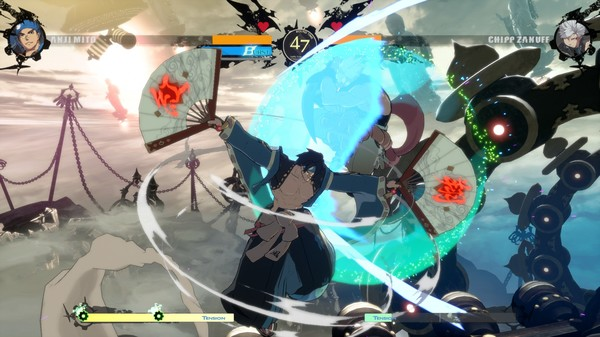
GUILTY GEAR -STRIVE- brings the legendary fighting game series to new heights, offering a visually spectacular and mechanically deep experience that shines on the Steam Deck.

Learning Curve

GUILTY GEAR -STRIVE- presents a steeper initial challenge compared to some anime fighters. The game’s unique mechanics, such as the Roman Cancel system, require dedication to master. However, the extensive tutorial and mission modes provide excellent resources for learning, making the journey less daunting. The Steam Deck’s portability allows players to practice in short bursts, gradually building their skills over time.

Skill Ceiling

GUILTY GEAR -STRIVE- boasts one of the deepest and most rewarding fighting game experiences available. The game’s complex systems, including its unique approach to combos and neutral game, provide endless opportunities for creativity and improvement. High-level play involves intricate decision-making and execution, ensuring that even veteran players will find new strategies to explore on their Steam Deck.

Diversity of Game Modes

GUILTY GEAR -STRIVE- offers a robust arcade mode, story mode, versus mode, and online play. The inclusion of a mission mode that teaches advanced techniques adds significant value, especially for players looking to improve their skills during commutes. While the game doesn’t reinvent the wheel in terms of mode variety, each offering is polished and substantial.

Combat

The combat in GUILTY GEAR -STRIVE- earns a perfect 5/5. Each character in the roster feels distinct, with unique playstyles that cater to various approaches to fighting games. The visual spectacle of the battles, with stunning animations and impactful moves, translates surprisingly well to the Steam Deck’s screen. The game’s emphasis on neutral play and strategic use of meter creates tense, exciting matches that feel rewarding whether played in short bursts or extended sessions.

Co-op Accessibility

GUILTY GEAR -STRIVE- focuses more on competitive play rather than cooperative experiences. While local versus matches are easily set up on the Steam Deck, the game lacks dedicated co-op modes. However, the ability to play local matches anywhere makes it a solid choice for impromptu gaming sessions with friends, even if the options are limited.

GUILTY GEAR -STRIVE- stands as a pinnacle of the anime fighting game genre on Steam Deck. Its combination of visual flair, deep mechanics, and robust training options make it an excellent choice for players looking for a serious fighting game experience on the go.


NARUTO SHIPPUDEN: Ultimate Ninja STORM 2 /rating:3.8

  • Learning Curve: Great 4 /icon:star/rating:4
  • Skill Ceiling: Great 4 /icon:star/rating:4
  • Diversity of Game Modes: Great 4/icon:star/rating:4
  • Combat: Great 4 /icon:star/rating:4
  • Co-op Accessibility: Good 3 /icon:star/rating:3
  • Players: 2 /icon:gamepad/rating:2
  • Cross-Platform Play: No

Available On:

  • Steam Deck
  • PC
  • PlayStation 3 (original release)
  • Xbox 360 (original release)
  • Nintendo Switch (as part of a collection)

Game Features

  • Story Mode
  • Free Battle Mode
  • Online Multiplayer
  • Local Multiplayer
  • Collectibles and Unlockables

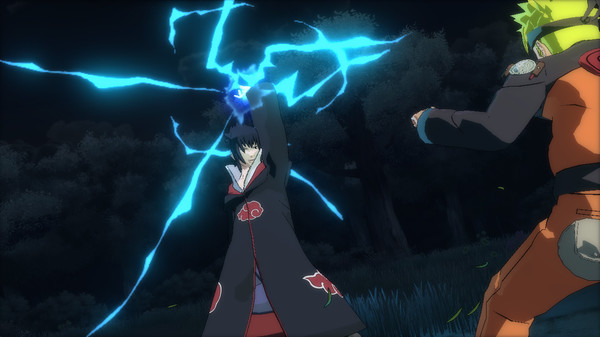
NARUTO SHIPPUDEN: Ultimate Ninja STORM 2 brings the beloved ninja anime to life on the Steam Deck, offering a nostalgic and accessible fighting game experience.

Learning Curve

Ultimate Ninja STORM 2 proves highly accessible to newcomers. The game’s simplified control scheme, with most actions mapped to single button presses, allows players to perform impressive moves and combos with ease. This approachability makes it an excellent choice for casual play, especially for anime fans who may not be fighting game veterans.

Skill Ceiling

While the game’s mechanics are not as deep as traditional fighting games, mastering character-specific techniques, timing, and resource management provides a moderate challenge. The inclusion of support characters and awakening modes adds layers of strategy, offering room for improvement without becoming overwhelming. This balance makes it suitable for both quick pick-up-and-play sessions and more serious competitive matches.

Diversity of Game Modes

The extensive story mode faithfully recreates key arcs from the Naruto Shippuden anime, providing hours of single-player content perfect for long gaming sessions on the Steam Deck. Free Battle mode allows for quick matches against AI or local opponents, ideal for short bursts of play. The inclusion of online multiplayer, though dated by modern standards, adds to the game’s longevity.

Combat

Combat in Ultimate Ninja STORM 2 faithfully captures the essence of Naruto’s ninja battles. The 3D arena-style fighting allows for dynamic encounters, with characters able to move freely around the battlefield. Special moves and ultimate jutsus are visually spectacular, translating well to the Steam Deck’s screen. While not as technically demanding as traditional 2D fighters, the combat system offers enough depth to keep gameplay exciting and varied.

Co-op Accessibility

Co-op accessibility scores a 3/5, offering solid options for local multiplayer on the Steam Deck. The game supports local versus matches out of the box, allowing friends to compete using a single device. The simplicity of the controls makes it easy for even non-gamers to join in, perfect for impromptu multiplayer sessions. However, the lack of a dedicated co-op story mode slightly limits its cooperative potential.

NARUTO SHIPPUDEN: Ultimate Ninja STORM 2 stands as a solid choice for anime fighting game fans. Its combination of accessible gameplay, extensive story mode, and faithful representation of the Naruto universe makes it an enjoyable experience for both fans of the series and casual fighting game players.


MY HERO ONE’S JUSTICE 2 /rating:3.6

Ratings (Out of 5)

  • Learning Curve: Good 3 /icon:star/rating:3
  • Skill Ceiling: Great 4 /icon:star/rating:4
  • Diversity of Game Modes: Great 4/icon:star/rating:4
  • Combat: Great 4 /icon:star/rating:4
  • Co-op Accessibility: Good 3 /icon:star/rating:3
  • Players: 2 /icon:gamepad/rating:2
  • Cross-Platform Play: No

Available On:

  • Steam Deck
  • PC
  • Nintendo Switch
  • PlayStation 4
  • Xbox One

Game Features

  • Story Mode
  • Mission Mode
  • Arcade Mode
  • Online Multiplayer
  • Local Multiplayer
  • Training Mode
  • Customization Options

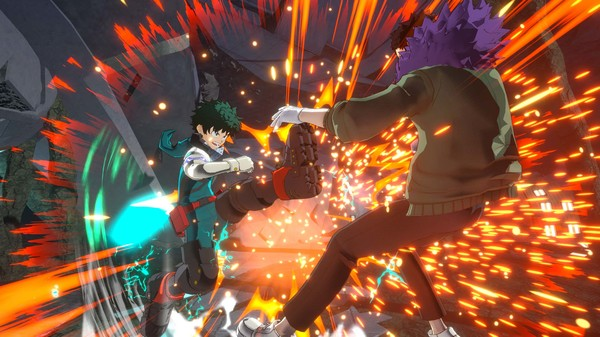
MY HERO ONE’S JUSTICE 2 brings the superhero action of My Hero Academia to life as a 3D arena fighter, offering an accessible and visually spectacular experience.

Learning Curve

With a 4/5 for its learning curve, MY HERO ONE’S JUSTICE 2 proves highly accessible to newcomers. The game’s control scheme is intuitive, allowing players to easily perform flashy moves and combos that capture the essence of each hero’s quirk. The tutorial system effectively introduces core mechanics, enabling players to quickly grasp the fundamentals. This approachability makes it an ideal choice for casual play on the Steam Deck, especially for fans of the My Hero Academia series who may not be fighting game veterans.

Skill Ceiling

The skill ceiling in MY HERO ONE’S JUSTICE 2 offers more depth than its accessible exterior might suggest. While basic combos are easy to execute, mastering character-specific techniques, optimal punishes, and the strategic use of assist characters provides a satisfying challenge. The inclusion of advanced mechanics like counter attacks and plus ultra moves adds layers of complexity for players looking to improve their skills.

Diversity of Game Modes

MY HERO ONE’S JUSTICE 2 offers a story mode that covers key arcs from the anime, allowing players to experience iconic moments on their Steam Deck. The mission mode provides additional challenges and unlockables, adding replay value for solo players. While the arcade and versus modes offer standard fighting game fare, the game doesn’t introduce many innovative modes to set it apart. However, the inclusion of extensive character customization options adds a layer of personalization that fans will appreciate.

Combat

Combat in MY HERO ONE’S JUSTICE 2 delivers fast-paced and visually impressive battles. The 3D arena format allows for dynamic encounters, with characters able to utilize the environment and move freely around the battlefield. Each character’s quirk is well-represented in their moveset, creating a diverse roster that encourages players to experiment with different fighting styles. The spectacle of the super moves translates surprisingly well to the Steam Deck’s screen, maintaining the excitement of the anime’s action sequences.

Co-op Accessibility

The game supports local versus matches out of the box, allowing friends to compete using a single device. The simplicity of the basic controls makes it easy for even non-gamers to join in, perfect for impromptu multiplayer sessions. However, the lack of a dedicated co-op story mode or tag team options slightly limits its cooperative potential.

MY HERO ONE’S JUSTICE 2 stands as an enjoyable anime fighting game experience. Its combination of accessible gameplay, faithful representation of the source material, and visual flair makes it a great choice for fans of My Hero Academia and casual fighting game players alike. While it may not offer the depth of more traditional fighting games, its pick-up-and-play nature and spectacular battles make it well-suited for portable gaming sessions.


Granblue Fantasy: Versus /rating:3.6

Ratings (Out of 5)

  • Learning Curve: Good 3 /icon:star/rating:3
  • Skill Ceiling: Great 4 /icon:star/rating:4
  • Diversity of Game Modes: Great 4/icon:star/rating:4
  • Combat: Great 4 /icon:star/rating:4
  • Co-op Accessibility: Good 3 /icon:star/rating:3
  • Players: 2 /icon:gamepad/rating:2
  • Cross-Platform Play: No

Available On:

  • Steam Deck
  • PC
  • PlayStation 4

Game Features

  • Arcade Mode
  • RPG Mode
  • Versus Mode
  • Online Multiplayer
  • Local Multiplayer
  • Training Mode

Granblue Fantasy: Versus brings the popular mobile RPG to life as a stunning fighting game, offering a unique blend of accessibility and depth.

Learning Curve

With a 4/5 for its learning curve, Granblue Fantasy: Versus shines in its accessibility. The game’s unique “skill button” system allows newcomers to easily perform special moves, making it welcoming for players new to fighting games. At the same time, the option to use traditional inputs provides depth for experienced players. This dual approach to controls makes it an excellent choice for both casual and serious play on the Steam Deck.

Skill Ceiling

While the basic mechanics of the game are easy to grasp, mastering the unique cooldown system, optimal combos, and character-specific strategies provides a satisfying challenge. The inclusion of technical mechanics like spot dodges and cross-overs adds layers of complexity for players looking to improve, ensuring long-term engagement.

Diversity of Game Modes

The standout feature of Granblue Fantasy: Versus is its RPG mode, which offers a unique single-player experience blending fighting game mechanics with RPG elements. Traditional arcade and versus modes provide quick fighting action, while online play extends the game’s longevity. However, the limited number of additional modes keeps it from scoring higher in this category.

Combat

Combat in Granblue Fantasy: Versus strikes a great balance between accessibility and depth. The fighting system emphasizes strong fundamentals and strategic use of special moves, rather than long combo strings. Each character in the diverse roster feels unique, with playstyles that reflect their roles in the original RPG. The visual spectacle of the battles, with stunning animations and impactful moves, translates beautifully to the Steam Deck’s screen, making every match a feast for the eyes.

Co-op Accessibility

Co-op accessibility in Granblue Fantasy: Versus earns a 3/5, offering standard options for local multiplayer on the Steam Deck. The game gives you instant access to local versus matches, allowing for easy setup of casual competitions. The RPG mode, while primarily single-player, does offer some co-op elements that can be enjoyed locally. The simplicity of the basic controls makes it easy for friends to jump in for quick matches, perfect for social gaming on the go.

Granblue Fantasy: Versus stands out as a unique entry in the anime fighting game genre. Its blend of accessibility, RPG elements, and stunning visuals makes it an excellent choice for both fans of the Granblue Fantasy series and newcomers looking for an approachable yet deep fighting game experience.


MELTY BLOOD: TYPE LUMINA /rating:3.4

Ratings (Out of 5)

  • Learning Curve: Good 3 /icon:star/rating:3
  • Skill Ceiling: Good 3 /icon:star/rating:3
  • Diversity of Game Modes: Great 4/icon:star/rating:4
  • Combat: Great 4 /icon:star/rating:4
  • Co-op Accessibility: Good 3 /icon:star/rating:3
  • Players: 2 /icon:gamepad/rating:2
  • Cross-Platform Play: No

Available On:

  • Steam Deck
  • PC
  • Nintendo Switch
  • PlayStation 4
  • Xbox One

Game Features

  • Story Mode
  • Arcade Mode
  • Versus Mode
  • Online Multiplayer
  • Local Multiplayer
  • Training Mode
  • Replay System

MELTY BLOOD: TYPE LUMINA brings the cult classic fighting game series to modern platforms, offering a fast-paced and technical experience that shines on the Steam Deck.

Learning Curve

With a 5/5 for its learning curve, MELTY BLOOD: TYPE LUMINA stands out for its excellent onboarding process. The game features a comprehensive tutorial system that effectively teaches both basic and advanced mechanics. The inclusion of “Rapid Beat” auto-combos allows newcomers to perform flashy sequences easily, while still leaving room for manual execution. This balance makes it an ideal choice for both fighting game veterans and newcomers looking to dive into the genre.

Skill Ceiling

The skill ceiling in MELTY BLOOD: TYPE LUMINA offers a decent challenge for dedicated players. The game’s air-dash heavy gameplay and unique Moon Drive and Moon Skill systems provide plenty of room for creativity and optimization. While not as overwhelmingly complex as some fighting games, mastering character-specific techniques and optimal combo routes offers a satisfying goal for players looking to improve their skills.

Diversity of Game Modes

MELTY BLOOD: TYPE LUMINA offers a standard suite of modes including story, arcade, versus, and online play. While these cover the essentials, the game doesn’t introduce many innovative or unique modes to set it apart. However, the depth of the existing modes, particularly the story mode which offers multiple character perspectives, provides substantial content for players.

Combat

Combat in MELTY BLOOD: TYPE LUMINA succeeds in delivering fast-paced and fluid battles. The game’s emphasis on air movement and aggressive offense creates dynamic matches that feel exciting even on the Steam Deck’s smaller screen. Each character in the diverse roster offers unique playstyles and mechanics, ensuring that players can find a fighter that suits their preferences. The visual clarity of moves and effects translates well to portable play, maintaining the intensity of the action.

Co-op Accessibility

Co-op accessibility scores a 4/5, offering robust options for local multiplayer on the Steam Deck. The game supports local versus matches, with an interface that’s easy to navigate on the portable screen. The inclusion of a spectator mode for local play adds a nice touch for group sessions. While there’s no dedicated co-op campaign, the ease of setting up casual matches makes MELTY BLOOD: TYPE LUMINA an excellent choice for impromptu fighting game sessions with friends.

MELTY BLOOD: TYPE LUMINA stands as a solid choice for anime fighting game enthusiasts on the Steam Deck. Its combination of accessible mechanics, deep gameplay, and rich lore from the Type-Moon universe makes it an engaging experience for both longtime fans and newcomers to the series.


One Piece Burning Blood /rating:3.2

Ratings (Out of 5)

  • Learning Curve: Good 3 /icon:star/rating:3
  • Skill Ceiling: Good 3 /icon:star/rating:3
  • Diversity of Game Modes: Good 3 /icon:star/rating:3
  • Combat: Great 4 /icon:star/rating:4
  • Co-op Accessibility: Good 3 /icon:star/rating:3
  • Players: 2 /icon:gamepad/rating:2
  • Cross-Platform Play: No

Available On:

  • Steam Deck
  • PC
  • Nintendo Switch
  • PlayStation 4
  • Xbox One

Game Features

  • Story Mode
  • Mission Mode
  • Arcade Mode
  • Online Multiplayer
  • Local Multiplayer
  • Training Mode
  • Customization Options

MY HERO ONE’S JUSTICE 2 brings the superhero action of My Hero Academia to life as a 3D arena fighter, offering an accessible and visually spectacular experience.

Learning Curve

With a 3/5 for its learning curve, One Piece Burning Blood strikes a balance between accessibility and complexity. The game’s control scheme is designed to be intuitive, allowing players to easily perform signature moves from the series. The inclusion of support characters and Logia-type transformations adds depth without overwhelming newcomers.

Skill Ceiling

While the game may not have the technical depth of traditional fighting games, mastering character-specific techniques, team compositions, and the timing of support attacks provides room for skill expression. The unique mechanics, such as the Logia guard and awakening transformations, add layers of strategy that reward players who invest time in learning the system.

Diversity of Game Modes

One Piece Burning Blood’s story mode, which focuses on the Marineford arc, provides a narrative-driven experience for fans of the series. The Wanted Versus mode adds a strategic layer to fights by allowing players to build teams and manage resources. While these modes offer engaging content for One Piece enthusiasts, the game lacks the depth and variety of additional modes found in more robust fighting games.

Combat

Combat in One Piece Burning Blood truly captures the spirit of the over-the-top action of the anime series. The game’s 3D arena-style battles allow for dynamic encounters that showcase the diverse abilities of the One Piece cast. Each character feels distinct, with movesets that faithfully recreate their fighting styles from the series. The visual spectacle of special moves and transformations translates well to the Steam Deck’s screen, providing an immersive experience for fans. While the combat system may lack the refinement of more established fighting game franchises, it succeeds in delivering exciting and authentic One Piece battles.

Co-op Accessibility

The game supports local versus matches, allowing friends to engage in pirate duels using a single device. The relatively straightforward controls make it accessible for casual players to join in, ideal for spontaneous gaming sessions. However, the lack of dedicated cooperative modes or tag team options limits its potential for extended co-op play. Despite this, the game’s emphasis on team building in certain modes adds a collaborative element that friends can enjoy together.

One Piece Burning Blood stands as a solid choice for fans of the series looking for a fighting game experience on their Steam Deck. While it may not compete with more technically advanced fighters, its faithful recreation of the One Piece world, characters, and abilities makes it an enjoyable option for both casual play and deeper exploration of its unique systems.


In conclusion, these seven anime fighting games offer a diverse range of experiences on the Steam Deck, catering to different preferences and skill levels. From the technical depth of GUILTY GEAR -STRIVE- to the accessible fan service of One Piece Burning Blood, there’s something for every anime and fighting game enthusiast. The portability of the Steam Deck enhances these games, allowing players to enjoy quick matches on the go or dive into deeper story modes during longer sessions. Whether you’re a seasoned fighting game veteran or a casual fan looking to experience your favorite anime in a new way, these titles showcase the versatility and power of the Steam Deck as a platform for anime fighting games.

/meta-title: Best Steam Deck Games – Best 2 player Anime Fighting Games

/meta-description: Discover some of the best Steam Deck Games of the anime fighting genre that are all Steam Deck verified, ranked based on metrics such as skill ceiling, combat, and diversity of games modes.

Best Anime Fighting Games

What are the best fighting games based on Anime?

With the highly anticipated release of both One Punch Man: World on January 31st 2024 and JuJutsu Kaisen Cursed Clash on February 2nd 2024, we’ve ranked the top fighting games based on anime you can play right now on modern consoles! So if you are a fan of both anime and fighting games then look no further than the 5 options below! As always, the games will each be ranked on a set of metrics tailored to the anime fighting game genre.

Learning Curve Skill Ceiling Diversity of Game Modes
Character Selection Gameplay Mechanics

What do One Punch Man: World and JuJustu Kaisen Cursed Clash offer?

Firstly, what do the two upcoming anime fighting games offer? One Punch Man: World, available on PC, ios and Android, adapts the first season of the hit anime and features cross-platform play. Playing single or multiplayer, choose from a wide range of familiar characters including Saitama, Genos, Mumen Rider and Silver Fang to tackle villains such as the Subterranean King, Mosquito Girl, Beast King, and more.

Available on the Nintendo Switch, PS5, PS4, Xbox One/Series X/Series S, and PC, JuJutsu Kaisen Cursed Clash is a 2 vs 2 game that allows you to master the Cursed Techniques of both Jujutsu Sorcerers and Cursed Spirits. The varied, dynamic gameplay utilises mechanics that cause the stage to collapse and Domain Expansions that evolve the entire field as you play!

Naruto: Ultimate Ninja Storm 4 /rating:4.4

Ratings (Out of 5)

  • Learning Curve: Great 4 /icon:star/rating:4
  • Skill Ceiling: Great 4 /icon:star/rating:4
  • Diversity of Game Modes: Great 4/icon:star/rating:4
  • Character Selection: Outstanding 5 /icon:star/rating:5
  • Gameplay Mechanics: Outstanding 5 /icon:star/rating:5
  • Players: 2 /icon:gamepad/rating:2
  • Console: Nintendo Switch, PS3, PS4, Xbox One, PC
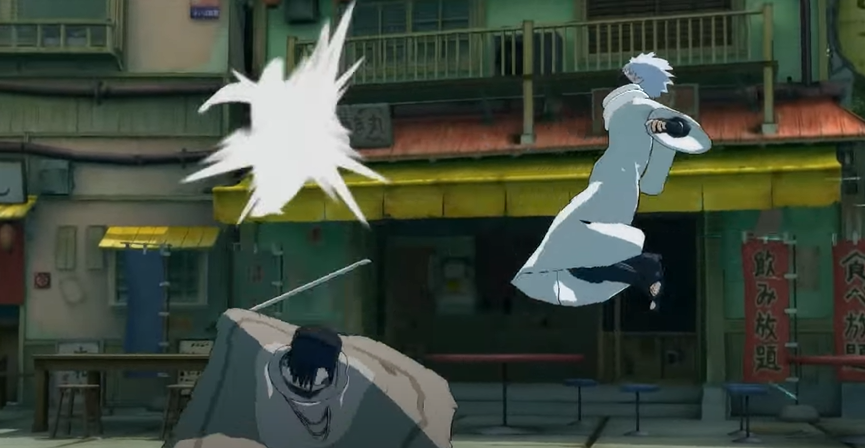
A screenshot of the game depicting two characters fighting. One flies through the air as he is struck with a sword by the other

Naruto: Ultimate Ninja Storm 4 is a treat for any fan of the anime or manga and features fast-paced, 3D arena-based combat. With the option of playing story mode or battle mode, both featuring stunning cinematography, the varied gameplay means you won’t get easily bored!

Buy the game on Steam and PlayStation Store and XBox and Nintendo Store!

Character Selection

With over 100 playable characters, Naruto: Ultimate Ninja Storm 4 has an excitingly diverse roster including Naruto, Sasuke, Sakura and more. Furthermore, the game introduces characters from The Last: Naruto the Movie and Boruto: Naruto the Movie, expanding the roster to the next generation of ninja. Whilst a significant portion of the roster is made up of various versions of certain characters (namely Naruto and Sasuke), each version reflects the different stages of their development or significant story arcs and features their own unique movesets.

Learning Curve and Skill Ceiling

The game is designed to be accessible to fans of the Naruto series who may not have extensive experience in the fighting game genre. As such, the controls are relatively intuitive, allowing you to perform basic attacks, combos, and special jutsu techniques without a steep learning curve. While basic attacks and combos are easy to execute, mastering the more advanced techniques, including ultimate jutsu or awakening transformations may require some practice and therefore provide more depth to the gameplay experience. Additionally, the ability to switch characters during battles further adds an element of strategy that perfectly balances a high skill ceiling yet low learning curve.


Dragon Ball Z: FighterZ /rating:4

Ratings (Out of 5)

  • Learning Curve: Outstanding 5 /icon:star/rating:5
  • Skill Ceiling: Great 4 /icon:star/rating:4
  • Diversity of Game Modes: Good 3 /icon:star/rating:3
  • Character Selection: Good 3 /icon:star/rating:3
  • Gameplay Mechanics: Oustanding 5 /icon:star/rating:5
  • Players: 2 /icon:gamepad/rating:2
  • Console: PS5, PS4, Xbox One, Xbox Series X/S, Nintendo Switch, PC
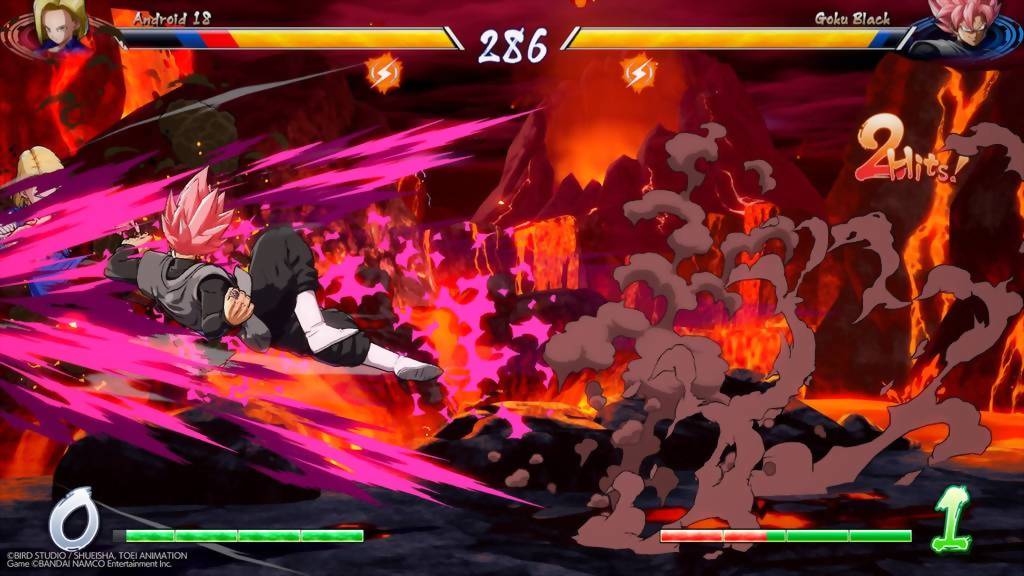
A screenshot of the game depicting two characters fighting. They are surrounded by purple lights

Part of the Dragon Ball franchise and inspired by the iconic anime and manga series, Dragon Ball Z FighterZ is truly a gem of a fighting game for both fans and non-fans of the original content! The game is praised for its visually stunning graphics and faithful recreation of the Dragon Ball Z art style, displayed through fast-paced and dynamic 2D combat in both the story and arcade modes. Truly, the best thing about this game is how much it feels like Dragon Ball Z.

Game Page

Buy the game on Steam and PlayStation Store and XBox and Nintendo Store!

Character Selection

With only 21 playable characters in the original release, FighterZ does not include the same extensive roster as some of the other games on this list, however, the characters themselves span across the whole of the Dragon Ball Z saga, meaning it is highly likely you can play as at least one of your favourites! Characters range from Goku, Vegeta, Piccolo, Frieza, Cell, and many more! Furthermore, FighterZ allows you to select and play as 3 characters in every battle, with seamless switching between each. There’s an engaging range of movesets for each player and one of the more unexpectedly amusing aspects of the game is teaming unconventional characters together, like Gotenks and Ginyu, for lighthearted banter before a battle.

Learning Curve and Skill Ceiling

With explosive and intense combat, you would be forgiven for being intimidated by the gameplay, but fear not! Fighterz is extremely welcoming to newcomers of the genre and employs a straightforward control scheme, making it easy to grasp basic movements, attacks, and special moves. Additionally, Dragon Ball FighterZ includes an auto-combo system, allowing you to perform simple yet visually impressive combos by repeatedly pressing the light attack button. Clean and accessible as it is, you can also progress past simply spamming auto-combos to hone the more technical components of the gameplay (namely, dodging said auto-combos)! With fluid and fast battles, timing is key and can only truly be mastered with practice over time, making hitting the skill ceiling a gradual and thoroughly enjoyable experience.


My Hero One’s Justice 2 /rating:3.8

Ratings (Out of 5)

  • Learning Curve: Outstanding 5 /icon:star/rating:5
  • Skill Ceiling: Good 3 /icon:star/rating:3
  • Diversity of Game Modes: Great 4 /icon:star/rating:4
  • Character Selection: Great 4 /icon:star/rating:4
  • Gameplay Mechanics: Good 3 /icon:star/rating:3
  • Players: 2 /icon:gamepad/rating:2
  • Console: Nintendo Switch, PS4, Xbox One, PC
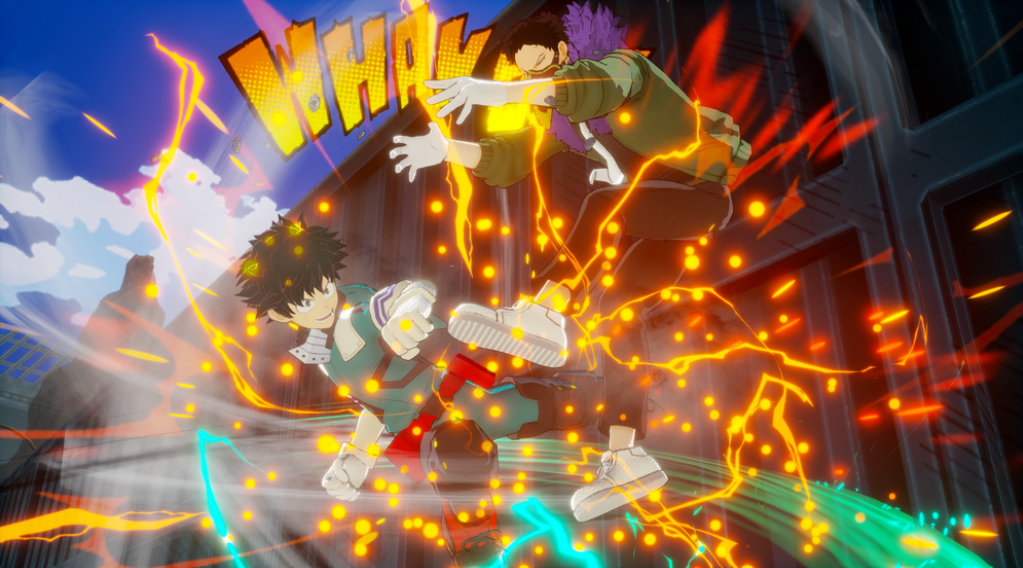
A screenshot of the game depicting two characters fighting. They are surrounded by orange lightning and the word wham

My Hero One’s Justice 2 is a 3D arena fighting game based on My Hero Academia and the sequel to My Hero One’s Justice, expanding upon its predecessor with new characters, features, and improvements. Like Naruto, My Hero One’s Justice 2 includes a Story Mode that follows the events of the anime and includes perspectives of both heroes and villains, whilst also providing co-op and online multiplayer battles. Battles are over the top and colourful, just like the anime, whilst sprinkling in a good dose of humour throughout.

Game Page

Buy the game on Steam and PlayStation Store and XBox and Nintendo Switch!

Character Selection

The game allows you to choose from around 40 different playable (and customisable!) characters including both heroes and villains and featuring Izuku Midoriya, Katsuki Bakugo, All Might and Shoto Todoroki amongst others. With 18 new characters added since its predecessor, each with their own unique moves and the ability to utilise support characters, the roster truly provides a treat for fans of the anime! The movesets are different for each character, sharing no similarities when it comes to quirks (ie. One quirk heavy move will be a gravity move for another character)! These quirks are extremely faithful to the anime and lots of fun to utilize featuring gravity, flying, seal, super speed, etc!

Learning Curve and Skill Ceiling

At its core, My Hero One’s Justice 2 is a generic fighting game (with completely destructible maps!), adopting the tried and true attack, jump, and dash mechanics that contribute to the majority of the fighting style and combos. Each character also has two special moves, or ‘quirks’ that add some depth into the gameplay whilst keeping the learning curve of the game relatively low. Despite this, the support character functionality is interesting to experiment with and you can create some great combos with your characters, which adds a level of strategic thinking for those more experienced in the fighting genre. Ultimately, My Hero One’s Justice 2 is easy to learn and a good bit of casual fun, however, after mastering the skill set of each character there is really no way up from there.


Demon Slayer: Kimetsu no Yaiba – The Hinokami Chronicle /rating:3.2

Ratings (Out of 5)

  • Learning Curve: Great 4 /icon:star/rating:4
  • Skill Ceiling: Good 3 /icon:star/rating:3
  • Diversity of Game Modes: Average 2 /icon:star/rating:2
  • Character Selection: Good 3 /icon:star/rating:3
  • Gameplay Mechanics: Great 4 /icon:star/rating:4
  • Players: 2 /icon:gamepad/rating:2
  • Console: PS5, PS4, Xbox One, Xbox Series X/S, PC
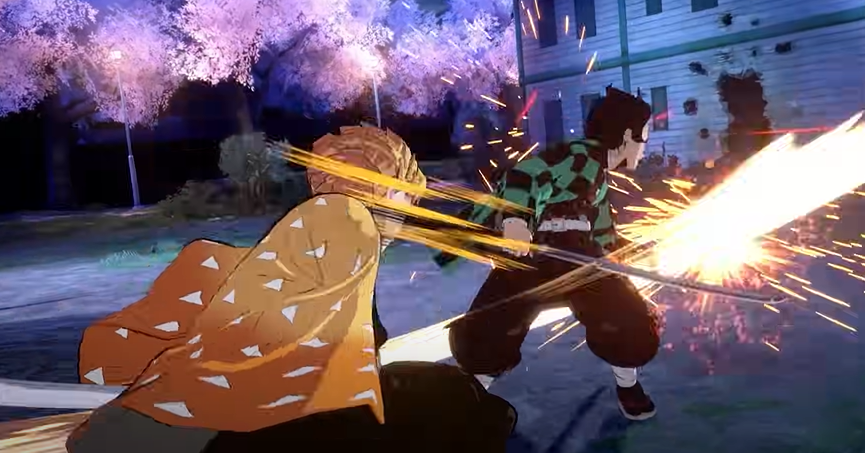
A screenshot of the game depicting two characters fighting. Yellow lightning appears as one character is struck

Released in 2021, Demon Slayer is based on the beloved anime of the same name. With the option of playing story mode or duelling in battles, faithfulness to the series is truly where this game shines. If you are a fan of the anime (and can sit through lengthy cutscenes), you will love playing through the story mode, featuring interactions and battles at multiple key moments through the story. Whilst the game could benefit from more stages (an introduction of the interactive kind could really boost some of the more repetitive gameplay), and a more diverse range of game modes, ultimately Demon Slayer is an enjoyably bright and engaging versus game.

Game Page

Buy the game on Steam and PlayStation Store and XBox and Nintendo Store!

Character Selection

Through cinematic battles, you are given the opportunity to play as multiple characters including both slayers and demons including Tanjiro, Nezuko, Rui and Akaza to name a few! Multiple DLCs have continued to add the anime’s later demons and characters versions, keeping the gameplay fresh and exciting. Unfortunately, several of the characters (mainly the hashiras) are unlocked only as you play through the story mode and, for some, this can be a laborious process. However, through extensive playing of the versus mode (and we mean extensive) there is the ability to unlock achievements which can also be used towards unlocking characters.

One of the more interesting features of the character selection is the support character mechanic. Playing as a slayer, including hashiras, gives you the ability to select, utilise, and even switch to a support character throughout the battle. Playing as a demon does not allow for this option, thereby adding a level of strategy and skill starting right from the character selection!

Learning Curve and Skill Ceiling

The learning curve of the game is relatively accessible for beginners who want to enjoy the story and basic gameplay, but it can become steeper for those aiming to excel in the more competitive aspects of the game. The basic controls for each character are the same but the speed and range of each differs, giving you the opportunity to experiment with and adapt your playstyle. The battles are vibrant and visually stunning, with some finishing move scenes coming directly from the anime, and the need to block and evade alleviate the combat from becoming the simple button mashing experience that some fighting games can fall victim to. Whilst you can get away with button mashing to an extent, the combat mechanics are a lot deeper than predecessors of the same company and timing for each move is crucial, something that takes patience and practice to truly master.


Jump Force /rating:3

Ratings (Out of 5)

  • Learning Curve: Good 3 /icon:star/rating:3
  • Skill Ceiling: Average 2 /icon:star/rating:2
  • Diversity of Game Modes: Good 3 /icon:star/rating:3
  • Character Selection: Outstanding 5 /icon:star/rating:5
  • Gameplay Mechanics: Average 2 /icon:star/rating:2
  • Players: 2 /icon:gamepad/rating:2
  • Console: PS4, Nintendo Switch, Xbox One, PC
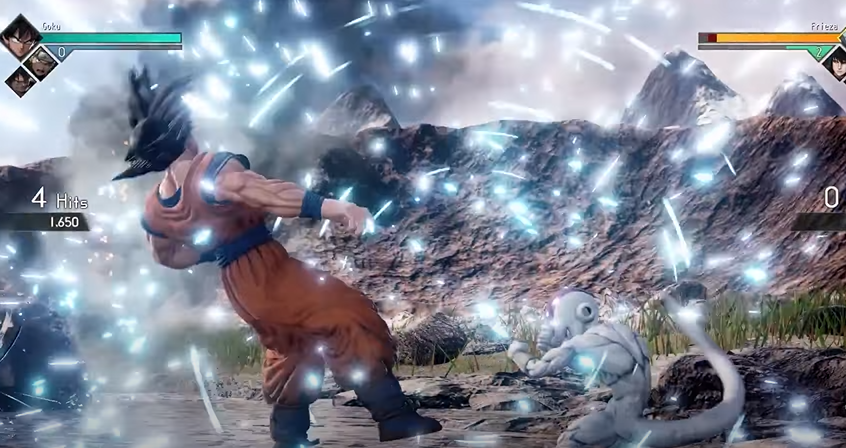
A screenshot of the game depicting two characters fighting, Blue lights surround the air

Jump Force is a crossover fighting game bringing together characters from various manga and anime series including Dragon Ball, One Piece, Naruto, Bleach, Hunter x Hunter, and many more! Playing as your own customizable avatar, choose the story mode, revolving around the real world colliding with anime, or engage in 3D arena-style battles. Whilst Jump Force is not a perfect game by any means, it remains notable for its unique crossover and the appeal of playing as characters from such a wide variety of anime and manga.

Game Page

Buy the game on Steam and PlayStation Store!

Character Selection

The game’s launch roster features 40 playable characters from 16 different series, plus an additional 14 characters available through DLCs and a free update. Some notable characters include Asta (Black Clover), Goku and Vegeta (Dragon Ball Z), Jotaro Kuji (JoJo’s Bizarre Adventure), Izuku Midoriya (My Hero Academia), Naruto and Sasuke (Naruto), and Monkey D Luffy and Roronoa Zoro (One Piece) to name a few (and that really is only a few!) Each character in Jump Force has a set of unique special moves and ultimate attacks inspired by their respective manga and anime series. Indeed, the impressive array of source material and characters is truly where this game shines, getting a perfect 5/5 from us!

Learning Curve and Skill Ceiling

Unfortunately, this is where things start to go a little downhill. Jump Force is designed to appeal to a broader audience, including fans of the included series who may not be hardcore fighting game enthusiasts. As a result, the gameplay prioritises a more casual experience that allows you to enjoy the spectacle of the battles rather than nuanced and challenging mechanics. Featuring straightforward controls, it is fairly easy to execute and master basic attacks, special moves, and combos (the game also features auto-combos). And this is essentially all there is to the game. While it does have the combos and special moves we have come to expect from fighting games, the depth of combo variations and intricate mechanics are certainly not as extensive as the other games on this list. In addition to this, the game’s AI can be somewhat predictable, making it easier to learn patterns and find effective strategies when playing in singleplayer mode. Whilst Jump Force may be bottom of our list in terms of gameplay, it is still a visually fun instalment of casual, anime battles to check out.

/meta-title: Best Anime Fighting Games

/meta-description: Searching for Anime fighting games for both single and multiplayer? Look no further than our curated list of visually explosive fighting games based on your favourite Anime or Manga!