Best Steam Deck Games (Metroidvania) PART 2

What are the best Steam Deckgames in the metroidvania genre?

Enjoyed our previous blog on the best Steam Deck Games in the metroidvania genre? Check out even more of these virtual havens that give you the opportunity to immerse yourself in mystery, lore, and all the exploration you could ask for! In this follow-up, we’ll delve into four more outstanding Metroidvania titles that are all Steam Deck verified, evaluating them based on key elements that define the genre. These best games for Steam Deck showcase why Metroidvanias are perfect for on-the-go gaming, offering deep, engaging experiences that you can enjoy anywhere. Whether you’re a seasoned fan or new to the genre, these best Metroidvania games are sure to enhance your Steam Deck games library.

Story Exploration Combat Ability Gating
Replayability

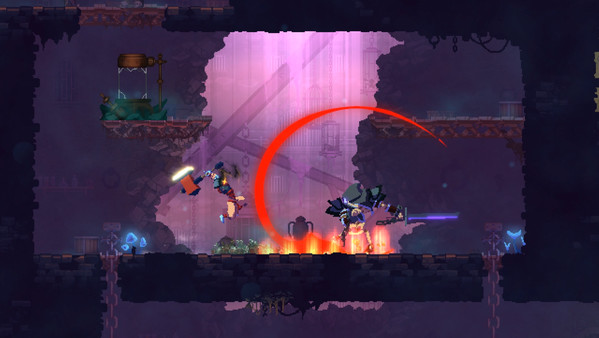
Dead Cells /rating:4.7

Ratings (Out of 5)

  • Story: Great 4 /icon:star/rating:4
  • Exploration: Outstanding 5 /icon:star/rating:5
  • Combat: Outstanding 5 /icon:star/rating:5
  • Ability Gating: Outstanding 5 /icon:star/rating:5
  • Replayability: Outstanding 5 /icon:star/rating:5
  • Players: 1 /icon:gamepad/rating:1
  • Cross-Platform Play: No

Available On:

  • Steam Deck
  • PC
  • PlayStation 4
  • Xbox One
  • Nintendo Switch
  • iOS
  • Android

Game Features

  • Roguelite elements
  • Procedurally generated levels
  • Fast-paced combat
  • Extensive weapon and ability variety
  • Regular content updates

Dead Cells stands out as a shining example of how to blend Metroidvania elements with roguelite mechanics, creating an addictive and endlessly replayable experience on the Steam Deck.

Story

While storytelling isn’t Dead Cells’ primary focus, it weaves an intriguing narrative through environmental details and sparse NPC interactions. The game’s mysterious world and the player character’s cyclical existence create an atmosphere of intrigue that encourages exploration. The story’s minimalist approach works well with the Steam Deck’s pick-up-and-play nature, allowing players to engage with the narrative at their own pace without feeling overwhelmed by exposition.

Exploration

Dead Cells excels in its approach to exploration, offering procedurally generated levels that ensure each run feels fresh and exciting. The game’s biomes are visually distinct and filled with secrets, encouraging thorough exploration. The Steam Deck’s portable nature complements this aspect perfectly, allowing players to embark on quick runs during short breaks or settle in for longer sessions of world discovery. The satisfaction of uncovering new paths and shortcuts never diminishes, even after multiple playthroughs.

Combat

The combat system in Dead Cells is a tour de force, offering lightning-fast action that’s both challenging and immensely satisfying. The vast array of weapons and abilities, each with unique playstyles, provides endless opportunities for experimentation. Boss battles are intense, requiring quick reflexes and strategic thinking. The Steam Deck’s responsive controls handle the frenetic combat beautifully, making each encounter feel precise and rewarding. The game’s difficulty curve is well-balanced, offering a stern challenge that never feels unfair.

Ability Gating

Dead Cells takes an innovative approach to ability gating, tying permanent upgrades to the acquisition of Runes. These Runes unlock new movement abilities and access to previously blocked areas, encouraging players to explore thoroughly and tackle challenging areas to progress. This system works well with the game’s roguelite structure, as each run offers the potential for both immediate progress and long-term advancement. The Steam Deck’s portability enhances this aspect, allowing players to make meaningful progress in short bursts.

Replayability

In terms of replayability, Dead Cells is nearly unmatched in the Metroidvania genre. The combination of procedurally generated levels, a vast array of weapons and abilities to unlock, and multiple difficulty modes ensures that no two runs are ever the same. The game’s “just one more run” appeal is perfectly suited to the Steam Deck, allowing players to squeeze in quick sessions whenever they have a spare moment. Regular content updates and DLC expansions further extend the game’s longevity, providing players with new challenges and goals long after their initial playthrough.

Dead Cells represents the pinnacle of action-platforming Metroidvanias on the Steam Deck. Its fast-paced combat, endless variety, and roguelite elements create an experience that’s both deeply engaging and perfectly suited for portable play.


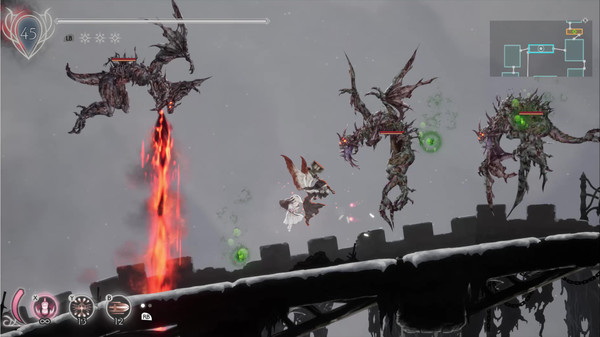
ENDER LILIES: Quietus of the Knights /rating:4.5

Ratings (Out of 5)

  • Story: Outstanding 5 /icon:star/rating:5
  • Exploration: Outstanding 5 /icon:star/rating:5
  • Combat: Great 4 /icon:star/rating:4
  • Ability Gating: Outstanding 5 /icon:star/rating:5
  • Replayability: Great 4 /icon:star/rating:4
  • Players: 1 /icon:gamepad/rating:1
  • Cross-Platform Play: No

Available on:

  • Steam Deck
  • PC
  • PlayStation 4
  • Xbox One
  • Nintendo Switch

Game Features

  • Atmospheric world design
  • Customizable abilities through spirit companions
  • Challenging boss encounters
  • Melancholic soundtrack
  • Metroidvania-style exploration

ENDER LILIES: Quietus of the Knights offers a hauntingly beautiful Metroidvania experience that shines on the Steam Deck’s vibrant display.

Story

ENDER LILIES weaves a melancholic tale of a world corrupted by a mysterious Rain of Death. The narrative unfolds through a combination of environmental storytelling, character interactions, and boss encounters. The story’s themes of hope amidst despair resonate strongly, creating an emotional journey that keeps players invested. The game’s approach to storytelling works well on the Steam Deck, allowing players to absorb the narrative at their own pace while exploring the haunting world.

Exploration

The world of Land’s End is a masterpiece of atmospheric design, with each area feeling distinct and memorable. The game encourages thorough exploration, rewarding players with ability upgrades, lore fragments, and stunning vistas. The map system is intuitive and well-suited to the Steam Deck’s screen, making navigation through the interconnected world a joy. The sense of discovery as players uncover new areas and secrets is palpable, making each play session feel like a new adventure.

Combat

ENDER LILIES features a unique combat system that revolves around summoning spirit companions to fight alongside the protagonist, Lily. This approach offers a wide variety of playstyles and strategies, allowing players to customize their loadout to suit different situations. Boss battles are particularly noteworthy, offering challenging encounters that test both skill and strategy.

Ability Gating

The game excels in its approach to ability gating, gradually introducing new spirit companions that grant access to previously unreachable areas. Each new ability feels significant, often changing the way players approach both exploration and combat. The satisfaction of returning to earlier areas with new powers is a key part of the Metroidvania experience, and ENDER LILIES delivers this feeling in spades.

Replayability

While ENDER LILIES doesn’t feature procedurally generated elements, it offers substantial replay value through its multiple endings, challenging boss rush mode, and the ability to experiment with different spirit companion combinations. The game’s New Game+ mode adds further depth, allowing players to carry over their abilities and tackle the world with a different approach. These features make ENDER LILIES a game players can return to multiple times, always finding new ways to experience its haunting world.

ENDER LILIES: Quietus of the Knights stands out as a gem in the Metroidvania genre on the Steam Deck, with an atmospheric world, unique combat system, and emotional storytelling.


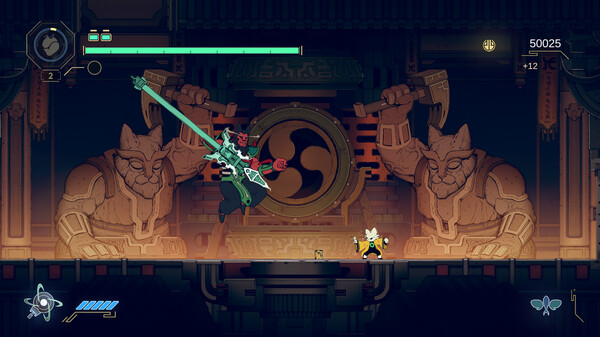
Nine Sols /rating:4.3

Ratings (Out of 5)

  • Story: Outstanding 5 /icon:star/rating:5
  • Exploration: Great 4 /icon:star/rating:4
  • Combat: Great 4 /icon:star/rating:4
  • Ability Gating: Great 4 /icon:star/rating:4
  • Replayability: Great 4 /icon:star/rating:4
  • Players: 1 /icon:gamepad/rating:1
  • Cross-Platform Play: No

Available On:

  • Steam Deck
  • PC

Game Features

  • Unique “Taopunk” setting
  • Challenging combat with deflection mechanics
  • Hand-drawn art style
  • Metroidvania-style exploration
  • Rich lore and world-building

Nine Sols brings a fresh perspective to the Metroidvania genre with its blend of ancient Asian mythology and sci-fi elements, creating a truly unique gaming experience.

Story

Nine Sols presents a rich narrative set in a world where ancient Asian mythology meets futuristic technology. The story unfolds through a combination of character interactions, environmental storytelling, and lore discoveries. The game’s unique “Taopunk” setting creates a fascinating backdrop for the narrative, offering players a world that feels both familiar and alien. The depth of the lore and the gradual unveiling of the plot work well with the Steam Deck’s portability, allowing players to dive into the story in short bursts or longer sessions.

Exploration

The world of Nine Sols is a visual feast, with hand-drawn environments that bring the Taopunk setting to life. Each area is distinct, offering a mix of ancient ruins and futuristic technology that begs to be explored. The game encourages thorough investigation, rewarding players with lore fragments, ability upgrades, and hidden challenges. The Steam Deck’s screen showcases the game’s beautiful art style, making exploration a joy whether playing in handheld mode or docked.

Combat

Nine Sols features a combat system that emphasizes timing and precision, with a focus on deflection mechanics similar to games like Sekiro. This approach creates intense, skill-based encounters that require practice and patience to master. Boss battles are particularly challenging, serving as tests of both skill and understanding of the game’s mechanics. The Steam Deck’s responsive controls are well-suited to the precise inputs required, though some players may find the difficulty curve steep.

Ability Gating

The game takes a thoughtful approach to ability gating, introducing new powers and techniques that open up both combat options and exploration possibilities. Each new ability feels significant, often requiring players to rethink their approach to both navigation and combat. This system works well with the Steam Deck’s pick-up-and-play nature, as players can easily jump back in to test out new abilities in previously visited areas.

Replayability

While Nine Sols offers a more linear experience compared to some Metroidvania titles, it provides replay value through its challenging combat system, multiple difficulty options, and the depth of its lore. Players are encouraged to revisit areas with new abilities to uncover all of the game’s secrets and piece together the full story. The game’s unique setting and atmosphere also make it an experience worth revisiting, even after the main story is complete.

Nine Sols stands out as a unique entry in the Metroidvania genre. Its blend of challenging combat, beautiful art style, and intriguing Taopunk setting create an experience that’s both fresh and engaging for fans of the genre.


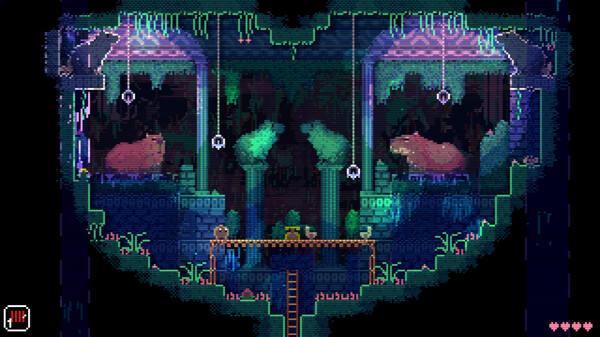
Animal Well /rating:4.1

Ratings (Out of 5)

  • Story: Great 4 /icon:star/rating:4
  • Exploration: Outstanding 5 /icon:star/rating:5
  • Combat: Good 3 /icon:star/rating:3
  • Ability Gating: Great 4 /icon:star/rating:4
  • Replayability: Great 4 /icon:star/rating:4
  • Players: 1 /icon:gamepad/rating:1
  • Cross-Platform Play: No

Available On:

  • Steam Deck
  • PC
  • PlayStation 5

Game Features

  • Surreal, dreamlike atmosphere
  • Puzzle-focused gameplay
  • Minimalist storytelling
  • Unique visual style
  • Hidden secrets and multiple endings

ANIMAL WELL offers a surreal and atmospheric take on the Metroidvania genre, providing a unique puzzle-platforming experience on the Steam Deck.

Story

ANIMAL WELL takes a minimalist approach to storytelling, relying on environmental cues and player interpretation to convey its narrative. The game’s surreal, dreamlike world creates an atmosphere of mystery and intrigue, encouraging players to piece together the story through exploration and discovery. This approach to narrative works well on the Steam Deck, allowing players to engage with the story at their own pace without breaking the immersive atmosphere.

Exploration

Exploration in ANIMAL WELL is a mesmerizing experience, with each area of the game’s interconnected world feeling like a living, breathing entity. The surreal environments are filled with hidden secrets and puzzles, rewarding observant players with new paths and revelations. The game’s unique visual style shines on the Steam Deck’s screen, creating a captivating atmosphere that draws players into its mysterious world. The joy of discovery is a core part of the experience, with each new area offering fresh challenges and surprises.

Combat

Unlike many Metroidvania games, ANIMAL WELL focuses more on puzzle-solving and environmental interaction than traditional combat. Players must use their wits and the items they discover to overcome obstacles and progress through the world. This approach creates a different kind of challenge, one that emphasizes problem-solving over reflexes.

Ability Gating

ANIMAL WELL takes a unique approach to ability gating, focusing on items and environmental interactions rather than traditional power-ups. Players must discover and learn to use various objects to access new areas and solve puzzles. This system creates a sense of gradual mastery over the game’s world, as players learn to see and interact with their surroundings in new ways. The Steam Deck’s portability complements this aspect of the game, allowing players to ponder puzzles and return with fresh perspectives.

Replayability

While ANIMAL WELL offers a more focused experience compared to some Metroidvania titles, it provides significant replay value through its multiple endings, hidden secrets, and the depth of its puzzle design. The game’s surreal nature and the subtle ways in which the world changes encourage multiple playthroughs to fully uncover all of its mysteries. The Steam Deck’s quick resume feature is particularly useful for ANIMAL WELL, allowing players to easily jump back in to experiment with new ideas or revisit puzzling areas.

ANIMAL WELL stands out as a unique and atmospheric entry in the Metroidvania genre. Its focus on puzzle-solving, surreal aesthetics, and minimalist storytelling create an experience that’s both challenging and deeply immersive.


In conclusion, these four games showcase the diversity and creativity within the Metroidvania genre on the Steam Deck. From the fast-paced, roguelite action of Dead Cells to the surreal puzzle-platforming of ANIMAL WELL, each title offers a unique experience that takes full advantage of the Steam Deck’s capabilities. Whether you’re looking for challenging combat, intricate exploration, or mind-bending puzzles, these games provide hours of engaging gameplay that’s perfect for both quick sessions and extended play. The Steam Deck’s portability enhances these Metroidvania experiences, allowing players to delve into these rich, interconnected worlds whenever and wherever they choose. These titles not only represent some of the best games to play on Steam Deck, but they also highlight why the Metroidvania genre continues to thrive on this versatile handheld platform. As you explore these best Steam Deck games, you’ll discover why Metroidvanias are an essential part of any Steam Deck owner’s collection.
/meta-title: Best Steam Deck Games (Metroidvania) Part Two

/meta-description: Discover even more of the best Steam Deck Games of the metroidvania genre that are all Steam Deck verified, ranked based on metrics such as story, combat, and ability gating.

Best Steam Deck Games (Metroidvania)

What are the best Steam Deck games in the metroidvania genre?

Metroidvania, a beloved sub-genre of action-adventure platformers, typically features a 2D or 2.5D perspective and emphasizes non-linear exploration. In this blog, we dive into the best Metroidvania games that are also among the best Steam Deck games, offering an unparalleled portable gaming experience. These titles showcase sprawling maps with distinct biomes and areas, where certain paths are initially inaccessible due to ability gating – a hallmark of the genre. As we explore these games, we’ll rank them based on metrics unique to the Metroidvania genre, helping you find your next favorite adventure for the Steam Deck. Whether you’re a long-time fan of Metroidvanias or new to the genre, this list of the best Metroidvania games for Steam Deck is sure to have something for everyone.

Story Exploration Combat Ability Gating
Replayability

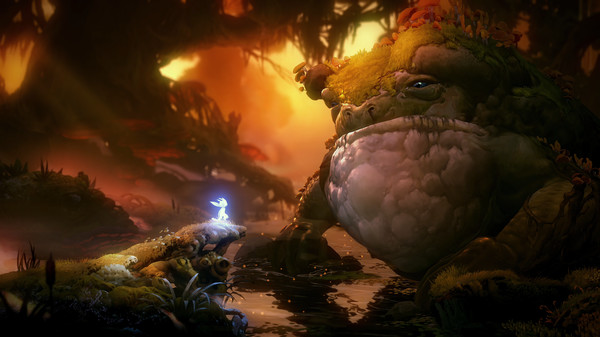
Ori and the Will of the Wisps /rating:4.6

Ratings (Out of 5)

  • Story: Outstanding 5 /icon:star/rating:5
  • Exploration: Outstanding 5 /icon:star/rating:5
  • Combat: Outstanding 5 /icon:star/rating:5
  • Ability Gating: Great 4 /icon:star/rating:4
  • Replayability: Great 4 /icon:star/rating:4
  • Players: 1 /icon:gamepad/rating:1
  • Cross-Platform Play: No

Available On:

  • Steam Deck
  • PC
  • Xbox One
  • Xbox Series X/S
  • Nintendo Switch

Game Features

  • Single Player
  • Stunning hand-painted visuals
  • Emotional narrative
  • Fluid platforming and combat

Ori and the Will of the Wisps stands as a pinnacle of the Metroidvania genre, offering a breathtaking journey that’s perfectly suited for the Steam Deck’s portable prowess.

Story

The narrative of Ori and the Will of the Wisps weaves an emotional tapestry that captivates from start to finish. Building upon the foundation laid by its predecessor, the game tells a tale of hope, sacrifice, and the bonds that tie us together. The story unfolds organically through environmental storytelling and poignant cutscenes, never interrupting the flow of gameplay. This seamless integration of narrative and action creates an immersive experience that’s ideal for the pick-up-and-play nature of the Steam Deck.

Exploration

Venturing through the lush, hand-painted world of Niwen is a joy that showcases the Steam Deck’s vibrant display. Each area feels distinct and alive, teeming with secrets and hidden paths that beckon to be uncovered. The game’s masterful level design encourages thorough exploration, rewarding curious players with upgrades, lore tidbits, and breathtaking vistas. The sense of discovery is palpable, making every play session feel like a new adventure.

Combat

Ori’s combat system is a ballet of light and motion, perfectly tuned for the Steam Deck’s controls. The fluid, acrobatic battles require quick reflexes and strategic thinking, offering a satisfying challenge that never feels unfair. As players progress, they unlock an array of abilities that seamlessly integrate into both combat and exploration, creating a sense of constant growth and empowerment. The responsive controls of the Steam Deck enhance this experience, making every encounter feel precise and exhilarating.

Ability Gating

The progression system in Ori and the Will of the Wisps is a masterclass in ability gating. New skills are introduced at a steady pace, each one opening up previously inaccessible areas in a way that feels natural and rewarding. The game strikes a perfect balance between guiding the player forward and allowing for backtracking to discover secrets with newly acquired abilities. This design philosophy enables players to make meaningful progress in both short bursts or long sessions alike.

Replayability

While the main story of Ori and the Will of the Wisps can be completed in a relatively short time, the game offers numerous reasons to return to its enchanting world. From speed-running challenges to collecting every last secret, there’s always something new to discover. The addition of Spirit Trials and combat shrines provides extra challenges for players seeking to test their skills. These elements, combined with the game’s emotional impact, make it a title that players will want to revisit time and time again on their Steam Deck.

Ori and the Will of the Wisps is a testament to the potential of Metroidvania games on the Steam Deck. Its stunning visuals, engaging gameplay, and touching story create an experience that’s both deeply immersive and perfectly suited for portable play.


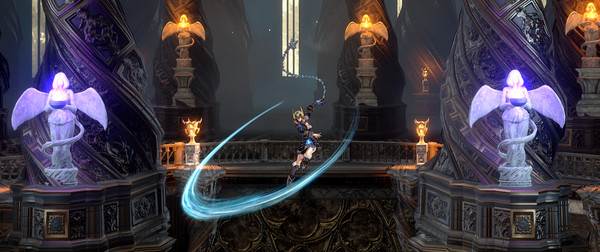
Bloodstained: Ritual of the Night /rating:4.4

Ratings (Out of 5)

  • Story: Great 4 /icon:star/rating:4
  • Exploration: Great 4 /icon:star/rating:4
  • Combat: Great 4 /icon:star/rating:4
  • Ability Gating: Outstanding 5 /icon:star/rating:5
  • Replayability: Great 4 /icon:star/rating:4
  • Players: 2 /icon:gamepad/rating:2
  • Cross-Platform Play: Yes

Available on:

  • Steam Deck
  • PC
  • PlayStation 4
  • Xbox One
  • Nintendo Switch
  • iOS
  • Android

Game Features

  • Single Player
  • Local co-op
  • Vast castle to explore
  • RPG elements and crafting
  • Multiple playable characters
  • Regular content updates

Bloodstained: Ritual of the Night brings the classic Castlevania formula into the modern era, offering a robust Metroidvania experience that shines on the Steam Deck.

Story

The narrative of Bloodstained weaves a dark tale of alchemy, demons, and revenge. While it may not break new ground in storytelling, the game’s plot provides a solid foundation for its gothic adventure. Character interactions and boss encounters are well-written, offering enough intrigue to keep players invested as they explore the sprawling castle. The story’s pacing aligns well with the exploration-based gameplay, making it an engaging experience where players can easily pick up where they left off.

Exploration

Bloodstained’s castle is a labyrinthine marvel, filled with secrets and hidden areas that reward thorough exploration. The diverse environments, ranging from opulent halls to eerie laboratories, create a sense of constant discovery. The game’s map system is intuitive and well-suited to the Steam Deck’s screen, allowing players to easily track their progress and plan their next move. The joy of uncovering new areas and shortcuts is a core part of the Metroidvania experience, and Bloodstained delivers this in spades.

Combat

The combat system in Bloodstained is deep and satisfying, offering a wide array of weapons and abilities to master. From swords and whips to magical shards, players have a vast arsenal at their disposal. The variety of enemy types and challenging boss battles keep the combat engaging throughout the game. The Steam Deck’s controls handle the action smoothly, making even the most intense encounters feel responsive and fair. The addition of RPG elements, such as leveling and equipment crafting, adds further depth to the combat experience.

Ability Gating

Bloodstained excels in its approach to ability gating, gradually introducing new powers that open up previously inaccessible areas. The acquisition of abilities feels meaningful, with each new power significantly expanding the player’s options for both exploration and combat. The game encourages backtracking without making it feel tedious, as new abilities often reveal exciting secrets in familiar areas.

Replayability

With multiple playable characters, a New Game+ mode, and regular content updates, Bloodstained offers substantial replay value. The game’s crafting system and shard abilities provide numerous ways to approach combat and exploration, encouraging experimentation across multiple playthroughs. Additionally, the inclusion of challenge rooms and boss rush modes offers extra content for players seeking to test their skills. These features make Bloodstained a game players can return to time and time again, always finding something new to discover.

Bloodstained: Ritual of the Night offers a deep and engaging Metroidvania experience that’s perfectly suited for the Steam Deck. Its combination of classic gameplay elements with modern refinements creates a game that both honors its roots and pushes the genre forward.


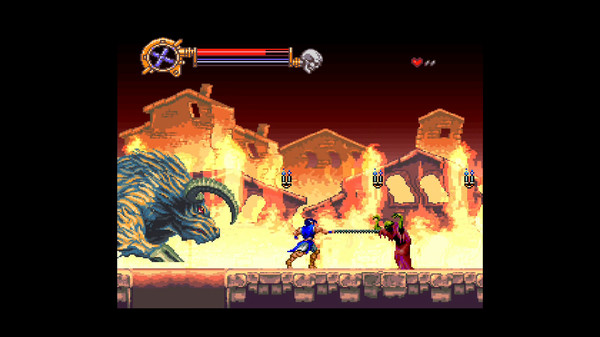
Castlevania Advance Collection /rating:4.4

Ratings (Out of 5)

  • Story: Good 3 /icon:star/rating:3
  • Exploration: Outstanding 5 /icon:star/rating:5
  • Combat: Great 4 /icon:star/rating:4
  • Ability Gating: Outstanding 5 /icon:star/rating:5
  • Replayability: Outstanding 5 /icon:star/rating:5
  • Players: 1 /icon:gamepad/rating:1
  • Cross-Platform Play: No

Available On:

  • Steam Deck
  • PC
  • PlayStation 4
  • Xbox One
  • Nintendo Switch

Game Features

  • Single player
  • Collection of three classic Castlevania games
  • Enhanced with modern features
  • Multiple playable characters
  • Rewind and save state functions
  • Art gallery and music player

The Castlevania Advance Collection brings three beloved Game Boy Advance titles to the Steam Deck, offering a nostalgic yet refined Metroidvania experience.

Story

While the narrative depth varies across the three games, each title in the collection offers a compelling gothic tale. From Aria of Sorrow’s innovative soul system to Harmony of Dissonance’s exploration of the Belmont legacy, the stories provide enough intrigue to drive the action forward. The collection’s ability to save progress at any point makes it easy for Steam Deck users to engage with the narratives in short bursts, perfect for on-the-go gaming.

Exploration

Exploration is at the heart of these classic Castlevania titles, and the Advance Collection shines in this regard. Each game features intricately designed castles filled with secrets and hidden areas. The Steam Deck’s screen perfectly showcases the detailed pixel art, making navigation through the labyrinthine levels a joy. The addition of a map overlay feature enhances the exploration experience, allowing players to easily track their progress without interrupting gameplay.

Combat

The combat in the Castlevania Advance Collection is a testament to the series’ enduring appeal. Each game offers a unique twist on the classic whip-based combat, from Circle of the Moon’s DSS card system to Aria of Sorrow’s soul absorption mechanic. The variety of weapons and abilities across the three games provides a rich combat experience that remains engaging throughout. The Steam Deck’s controls handle the precise movements required for Castlevania combat with ease, making boss battles and enemy encounters feel responsive and satisfying.

Ability Gating

Ability gating is a cornerstone of the Metroidvania genre, and the Castlevania Advance Collection exemplifies this mechanic. Each game in the collection features a well-paced progression system, gradually introducing new abilities that open up previously inaccessible areas. The satisfaction of returning to earlier sections with new powers is a key part of the Metroidvania experience, and these games deliver that feeling in spades.

Replayability

The Castlevania Advance Collection offers exceptional replay value, with three full games to explore. Each title features multiple endings, encouraging players to replay with different strategies or to uncover all the secrets. The inclusion of additional features like a music player and art gallery adds to the collection’s value. The ability to rewind gameplay and create save states at any point makes it easy for players to experiment with different approaches or tackle challenging sections without frustration.

The Castlevania Advance Collection is a must-have for Metroidvania fans. It offers a perfect blend of nostalgia and modern convenience, bringing three classic titles to life in a format that’s ideal for portable play.


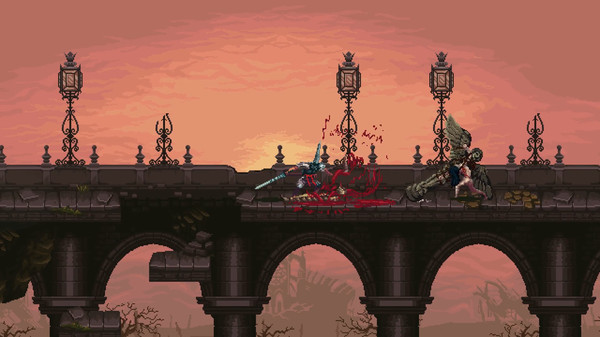
Blasphemous /rating:4.2

Ratings (Out of 5)

  • Story: Great 4 /icon:star/rating:4
  • Exploration: Great 4 /icon:star/rating:4
  • Combat: Outstanding 5 /icon:star/rating:5
  • Ability Gating: Great 4 /icon:star/rating:4
  • Replayability: Great 4 /icon:star/rating:4
  • Players: 1 /icon:gamepad/rating:1
  • Cross-Platform Play: No

Available On:

  • Steam Deck
  • PC
  • PlayStation 4
  • Xbox One
  • Nintendo Switch

Game Features

  • Single Player
  • Dark, gothic atmosphere
  • Punishing combat
  • Rich lore and symbolism

Blasphemous brings a unique, dark fantasy twist to the Metroidvania genre, offering a challenging and atmospheric experience that’s well-suited to the Steam Deck.

Story

Blasphemous weaves a cryptic tale steeped in religious symbolism and gothic horror. The narrative unfolds through environmental storytelling, character interactions, and item descriptions, rewarding attentive players with a rich, layered plot. While the story can be obtuse at times, its mysterious nature encourages exploration and interpretation, making it an engaging experience for Steam Deck users who can delve into the lore at their own pace.

Exploration

The world of Cvstodia is a haunting, beautifully crafted landscape that begs to be explored. Each area is distinct, filled with hidden paths, challenging platforming sections, and secrets waiting to be uncovered. The game’s map system is comprehensive, aiding navigation without holding the player’s hand. The Steam Deck’s portable nature complements this aspect of the game, allowing players to easily pick up where they left off and continue their exploration of this intricate world.

Combat

Combat in Blasphemous is brutal and unforgiving, requiring precision and timing. The Penitent One’s sword combat is supplemented by a variety of unlockable abilities and prayers, offering depth and strategy to encounters. Boss battles are particularly challenging, serving as intense tests of skill and patience. The Steam Deck’s responsive controls are well-suited to the game’s demanding combat, allowing for precise movements and parries. While the difficulty may be off-putting to some, those seeking a challenge will find the combat deeply satisfying.

Ability Gating

Blasphemous takes a unique approach to ability gating, focusing more on items and relics that grant access to new areas rather than traditional power-ups. This system encourages thorough exploration and adds a layer of puzzle-solving to progression. The game strikes a balance between guiding the player and allowing for non-linear exploration, a design choice that works well with the Steam Deck’s pick-up-and-play nature. Discovering a new relic and immediately being able to access previously blocked areas is a rewarding experience that keeps the gameplay fresh.

Replayability

With multiple endings, a New Game+ mode, and various side quests and secrets to uncover, Blasphemous offers significant replay value. The game’s challenging nature encourages players to refine their skills across multiple playthroughs. Additionally, post-launch content updates have added new areas and gameplay modes, further extending the game’s longevity. These features make Blasphemous a game that players can return to repeatedly, always finding new challenges or uncovering missed secrets.

Blasphemous stands out in the Metroidvania genre with its unique aesthetic and punishing gameplay. Its dark, atmospheric world and challenging combat make it a compelling choice for Steam Deck users looking for a more hardcore Metroidvania experience.


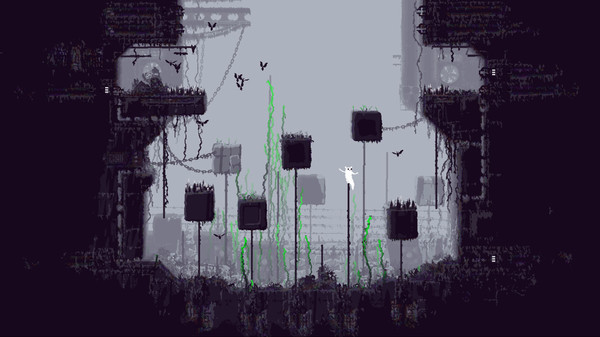
Rain World /rating:3.8

Ratings (Out of 5)

  • Story: Good 3 /icon:star/rating:3
  • Exploration: Outstanding 5 /icon:star/rating:5
  • Combat: Good 3 /icon:star/rating:3
  • Ability Gating: Great 4 /icon:star/rating:4
  • Replayability: Great 4 /icon:star/rating:4
  • Players: 1 /icon:gamepad/rating:1
  • Cross-Platform Play: No

Available On:

  • Steam Deck
  • PC
  • PlayStation 4
  • Nintendo Switch

Game Features

  • Single Player
  • Unique ecosystem simulation
  • Procedurally generated weather
  • Stealth and survival elements
  • Minimalist storytelling

Rain World offers a distinctive take on the Metroidvania formula, blending survival elements with open-ended exploration in a harsh, living world.

Story

Rain World’s narrative is subtle and environmental, told primarily through the player’s interactions with the world and its inhabitants. While the story may lack the depth of other Metroidvania titles, its minimalist approach creates a sense of mystery that encourages players to piece together the world’s history. The game’s focus on survival and exploration aligns well with its sparse storytelling, making it an intriguing experience for players who enjoy uncovering narrative threads at their own pace.

Exploration

Exploration in Rain World is both its greatest strength and most significant challenge. The game’s vast, interconnected world is filled with diverse environments, from industrial ruins to lush ecosystems. Each area feels alive, with dynamic weather systems and a complex food chain that operates independently of the player. The Steam Deck’s portability enhances the exploration experience, allowing players to navigate this harsh world in short bursts or extended sessions. However, the lack of a traditional map system and the game’s unforgiving nature may frustrate some players, leading to a lower score in this category.

Combat

Rain World’s approach to combat is unconventional, focusing more on evasion and environmental manipulation than direct confrontation. As a small, vulnerable creature in a hostile world, players must use stealth and quick thinking to survive. While this system creates tense, memorable encounters, it may not satisfy players looking for more traditional Metroidvania combat. Whilst the Steam Deck’s controls handle the game’s precise movements well, the challenging nature of survival in Rain World’s ecosystem can be frustrating at times.

Ability Gating

Unlike many Metroidvania games, Rain World’s progression is less about acquiring new abilities and more about learning to navigate and survive in different environments. While players can discover new tools and techniques, the game’s open-ended nature means that skill and knowledge are the primary gates to progression. This approach fits well with the Steam Deck’s portability, allowing players to gradually improve their understanding of the world across multiple play sessions. However, the lack of traditional ability gating may disappoint some Metroidvania purists.

Replayability

Rain World’s procedurally generated elements and multiple endings offer significant replay value. Each playthrough can offer a unique experience, with different weather patterns and creature behaviors affecting the player’s journey. The game’s challenging nature encourages multiple attempts, with each run potentially revealing new secrets or strategies. Additionally, the inclusion of different playable creatures in post-launch updates adds further variety to subsequent playthroughs. These features make Rain World a game that Steam Deck owners can return to repeatedly, always finding new challenges in its harsh, beautiful world.

Rain World stands as a unique entry in the Metroidvania genre, offering an experience that’s as challenging as it is rewarding. Its focus on survival and ecosystem simulation sets it apart from more traditional titles, making it an intriguing choice for players seeking a different kind of Metroidvania adventure.


In conclusion, the five Metroidvania games highlighted offer a rich variety of experiences that showcase the genre’s depth and creativity on the Steam Deck. Each title excels in its own right, whether through stunning visuals, engaging combat, or intricate exploration, making them perfect for both casual and dedicated gamers. The Steam Deck’s portability enhances these experiences, allowing players to dive into expansive worlds filled with secrets and challenges at their convenience. Whether you’re seeking emotional storytelling or challenging gameplay, these games provide unforgettable adventures that are ideal for on-the-go gaming!

/meta-title: Best Steam Deck Games (Metroidvania)

/meta-description: Discover some of the best Steam Deck Games of the metroidvania genre that are all Steam Deck verified, ranked based on metrics such as story, combat, and ability gating.

Best Cozy Games On Steam That Are Spooky RPGs

What are the best cosy games on steam that are also spooky RPG games on Steam in 2024?

Craving a spooky twist on your cozy gaming experience? Steam’s diverse library offers a unique selection of cozy games that blend comfort with a dash of the macabre, perfect for alt cozy fans and the upcoming spooky season. In this comprehensive guide, we’ll explore the best cozy games on Steam, featuring creepy RPGs that promise to deliver both charm and chills. Whether you’re seeking the best Steam Deck game to enjoy on the go or simply want to unwind with some eerie adventures, we’ve curated a list of five standout titles that masterfully combine cozy elements with haunting atmospheres. Get ready to discover games that will whisk you away to enchanting worlds while keeping you on the edge of your seat!

Progression Story Depth Atmosphere Character Development
Graphics

Fran Bow /rating:4.6

Ratings (Out of 5)

  • Progression: Great 4 /icon:star/rating:4
  • Story Depth: Outstanding 5 /icon:star/rating:5
  • Atmosphere: Outstanding 5 /icon:star/rating:5
  • Character Development: Great 4 /icon:star/rating:4
  • Graphics: Outstanding 5 /icon:star/rating:5
  • Players: 1 /icon:gamepad/rating:1
  • Cross-Platform Play: No

Available On:

  • PC (Steam)
  • Nintendo Switch
  • iOS
  • Android

Game Features

  • Single Player
  • Point-and-click adventure gameplay
  • Puzzle-solving
  • Dark, psychological storytelling

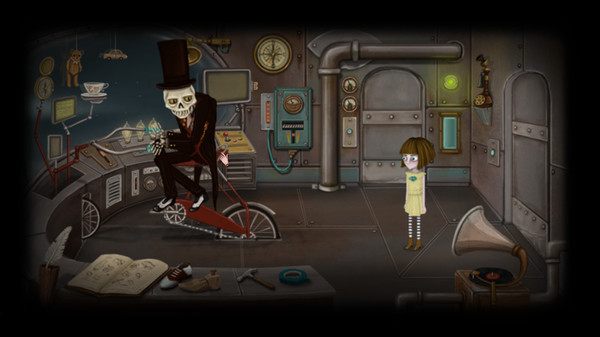
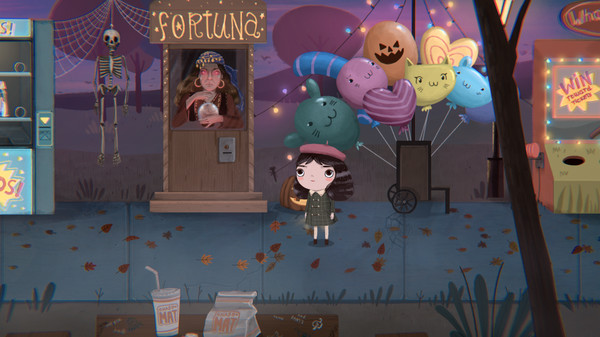
Fran Bow stands out as a pinnacle of cozy-spooky RPGs, offering a deeply unsettling yet strangely comforting adventure. This point-and-click psychological horror game follows the journey of a young girl navigating between reality and a disturbing dream world.

Progression

Fran Bow’s progression system is a masterclass in balancing relaxation with creeping dread. As players guide Fran through her surreal journey, the game maintains a steady pace that allows for exploration and puzzle-solving without feeling rushed. The ability to switch between reality and the nightmarish alternate world provides a unique twist on progression, allowing players to uncover new paths and solutions at their own pace. This mechanic creates a sense of discovery that’s both exciting and unsettling, perfectly capturing the essence of a cozy-spooky RPG.

Story Depth

The narrative of Fran Bow is where the game truly shines, weaving a tale that’s as disturbing as it is touching. The story delves into themes of mental health, loss, and the blurred lines between reality and imagination. As players unravel the mysteries surrounding Fran’s past and her current predicament, they’re treated to a narrative that’s both deeply unsettling and surprisingly heartwarming. The game’s ability to maintain a sense of coziness amidst its darker themes is remarkable, creating a story that lingers in the mind long after the credits roll.

Atmosphere

Fran Bow excels in crafting an atmosphere that seamlessly blends cozy and spooky elements. The game’s world is a surreal mix of childlike wonder and nightmarish imagery, creating an environment that’s simultaneously comforting and unsettling. The ability to switch between the “normal” world and its darker counterpart adds a layer of depth to the atmosphere, allowing players to experience the contrast between cozy and creepy in real-time. This unique approach to world-building results in an immersive experience that keeps players on the edge of their seats while still providing moments of warmth and comfort.

Character Development

The character development in Fran Bow is both nuanced and compelling. Fran herself is a wonderfully complex protagonist, with players witnessing her growth and resilience in the face of unimaginable circumstances. The supporting cast, from the mysterious Mr. Midnight to the various beings Fran encounters, are all well-realized and contribute significantly to the game’s narrative. While the focus is primarily on Fran’s journey, the interactions with other characters provide depth and context to her story, creating a rich tapestry of relationships that enhance the overall experience.

Graphics

Visually, Fran Bow is a stunning achievement in the cozy-spooky genre. The hand-drawn art style is both charming and unsettling, perfectly capturing the game’s dual nature. Characters and environments are rendered with intricate detail, bringing the surreal world to life in vivid, sometimes disturbing clarity. The use of color is particularly noteworthy, with the “normal” world featuring warm, comforting tones that contrast sharply with the muted, eerie palette of the alternate reality. This visual dichotomy not only enhances the gameplay but also contributes significantly to the overall atmosphere.

Fran Bow offers a unique and unforgettable experience in the cozy-spooky RPG genre. Its masterful blend of unsettling themes with moments of warmth and comfort creates a game that’s both deeply engaging and surprisingly cozy. For players seeking a thought-provoking adventure that balances horror with heart, Fran Bow is an essential title.


Cult Of The Lamb /rating:4.2

Ratings (Out of 5)

  • Progression: Great 4 /icon:star/rating:4
  • Story Depth: Great 4 /icon:star/rating:4
  • Atmosphere: Outstanding 5 /icon:star/rating:5
  • Character Development: Good 3 /icon:star/rating:3
  • Graphics: Outstanding 5 /icon:star/rating:5
  • Players: Up to 2 /icon:gamepad/rating:2
  • Cross-Platform Play: No

Available on:

  • PC (Steam)
  • Nintendo Switch
  • PlayStation 4
  • PlayStation 5
  • Xbox One
  • Xbox Series X|S

Game Features

  • Single Player
  • Local Co-op
  • Roguelike dungeon crawling with combat
  • Cult management and base building
  • Resource gathering and crafting
  • Follower management
  • Twitch integration for streamers

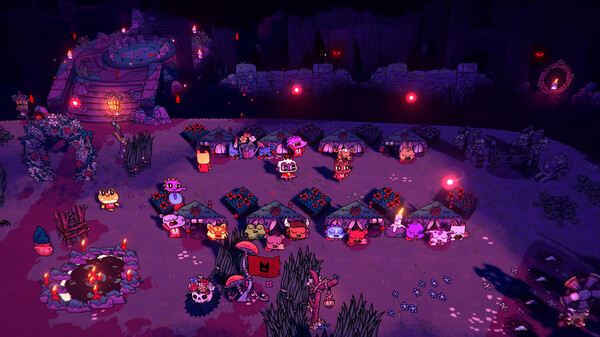
Cult of the Lamb emerges as a delightful surprise in the cozy-spooky RPG genre, offering a unique blend of cute aesthetics and dark themes. This roguelike action-adventure game puts players in the role of a possessed lamb building a cult in a world of false prophets.

Progression

The progression system in Cult of the Lamb strikes an impressive balance between relaxing management and spooky dungeon crawling. As players build and manage their cult, they experience a satisfying sense of growth and expansion. The base-building aspects provide a cozy counterpoint to the more intense roguelike sections, allowing players to alternate between relaxing town management and thrilling combat encounters. This dual nature of progression keeps the game engaging without becoming overwhelming, perfectly embodying the cozy-spooky ethos.

Story Depth

Cult of the Lamb’s narrative weaves a tale that’s both whimsical and sinister. The story explores themes of faith, power, and corruption, all through the lens of adorable animal characters. As players uncover the secrets of the game’s world and the origins of their cult, they’re treated to a narrative that’s surprisingly deep and often unsettling. The game’s ability to maintain a lighthearted tone while dealing with darker themes is commendable, creating a story that’s both accessible and thought-provoking.

Atmosphere

Where Cult of the Lamb truly excels is in its atmosphere. The game masterfully blends cute, cuddly aesthetics with dark, occult themes, creating a world that’s simultaneously charming and unnerving. The contrast between the adorable cult members and the eldritch horrors they worship adds a layer of cognitive dissonance that enhances the overall spooky-cozy vibe. From the cheerful camp management to the foreboding dungeons, every aspect of the game contributes to its unique atmosphere.

Character Development

While character development isn’t the primary focus of Cult of the Lamb, the game still offers interesting growth opportunities for both the player character and cult members. As the cult leader, players can shape their followers’ beliefs and abilities, adding a layer of personalization to the experience. The various NPCs encountered throughout the game, from rival cult leaders to mysterious forest dwellers, add depth to the world. However, the emphasis on gameplay over deep character arcs means that individual character development is somewhat limited.

Graphics

Visually, Cult of the Lamb is a feast for the eyes. The game’s art style is a perfect embodiment of the cozy-spooky genre, featuring adorable character designs set against backdrops that range from cheerful to creepy. The attention to detail in both the cult camp and the procedurally generated dungeons is impressive, with each area feeling distinct and alive. The use of color and lighting is particularly noteworthy, with the game effortlessly transitioning between warm, inviting tones and darker, more ominous palettes.

Cult of the Lamb offers a unique and engaging experience in the cozy-spooky RPG genre. Its blend of cute aesthetics with dark themes, combined with satisfying gameplay loops, creates a game that’s both comforting and unsettling. For players seeking a fresh take on the genre that balances management sim coziness with roguelike spookiness, Cult of the Lamb is an excellent choice.


Undertale /rating:4

Ratings (Out of 5)

  • Progression: Good 3 /icon:star/rating:3
  • Story Depth: Outstanding 5 /icon:star/rating:5
  • Atmosphere: Great 4 /icon:star/rating:4
  • Character Development: Outstanding 5 /icon:star/rating:5
  • Graphics: Good 3 /icon:star/rating:3
  • Players: 1 /icon:gamepad/rating:1
  • Cross-Platform Play: No

Available On:

  • PC (Steam)
  • Nintendo Switch
  • PlayStation 4
  • Xbox One

Game Features

  • Single player
  • Unique combat system with option to spare enemies
  • Multiple endings
  • Puzzle-solving elements

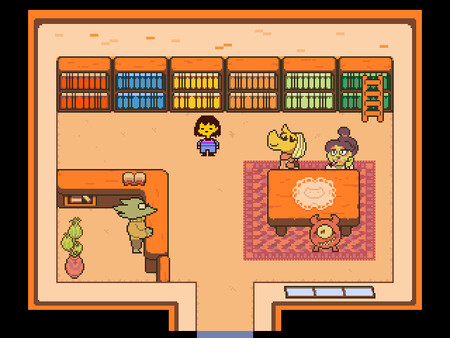
Undertale stands as a beloved indie classic that has redefined expectations in the RPG genre, offering a unique blend of heartwarming interactions and unsettling moments. This retro-style RPG subverts traditional gaming tropes, creating an experience that’s both cozy and occasionally spine-chilling.

Progression

Undertale’s progression system is unconventional, focusing more on player choices and moral decisions than traditional leveling. The game’s approach to advancement is relaxed, allowing players to explore and interact with the world at their own pace. While not overtly spooky, the progression takes unexpected turns that can be unsettling, especially as players realize the consequences of their actions. The balance between cozy character interactions and the looming sense of consequence creates a unique progression experience that keeps players engaged and sometimes on edge.

Story Depth

The narrative of Undertale is where the game truly shines, offering a story that’s both deeply emotional and surprisingly dark. As players navigate the underground world of monsters, they uncover layers of lore and personal histories that are both heartwarming and haunting. The game’s ability to switch between lighthearted humor and profound, sometimes disturbing revelations is masterful. The multiple endings and hidden storylines add depth and replayability, encouraging players to explore different approaches and uncover the full scope of the narrative.

Atmosphere

Undertale excels in creating an atmosphere that’s predominantly cozy but punctuated by moments of genuine unease. The game’s world is filled with charming characters and whimsical locations, fostering a sense of comfort and belonging. However, this coziness is regularly disrupted by encounters and revelations that can be deeply unsettling. The juxtaposition of friendly monsters with occasional glimpses of horror creates a unique atmosphere that keeps players both comforted and on their toes.

Character Development

Character development is a cornerstone of Undertale’s experience. Each character, from the protagonist to the various monsters encountered, is well-developed with distinct personalities and backstories. The game allows players to form deep connections with these characters, making every interaction meaningful. The way characters evolve based on player choices adds a layer of depth to the relationships, creating emotional investment that enhances both the cozy and spooky aspects of the game.

Graphics

Visually, Undertale opts for a simple, retro-inspired pixel art style. While not technically impressive, the graphics serve the game’s purposes well. Character designs are memorable and expressive, capable of conveying a wide range of emotions despite their simplicity. The game’s visual style contributes to its overall charm, with the basic graphics sometimes making the more unsettling moments even more impactful through contrast. While not as visually striking as some other entries in the cozy-spooky genre, Undertale’s graphics effectively support its unique atmosphere and storytelling.

Undertale offers a one-of-a-kind experience in the cozy-spooky RPG genre. Its innovative approach to storytelling, character development, and player choice creates a game that’s both heartwarming and occasionally chilling. For players seeking a thought-provoking adventure that challenges gaming conventions while delivering both comfort and creepiness, Undertale is an essential title.


Little Misfortune /rating:4

Ratings (Out of 5)

  • Progression: Good 3 /icon:star/rating:3
  • Story Depth: Great 4 /icon:star/rating:4
  • Atmosphere: Great 4 /icon:star/rating:4
  • Character Development: Great 4 /icon:star/rating:4
  • Graphics: Outstanding 5 /icon:star/rating:5
  • Players: 1 /icon:gamepad/rating:1
  • Cross-Platform Play: No

Available On:

  • PC (Steam)
  • Nintendo Switch
  • PlayStation 4
  • Xbox One

Game Features

  • Single Player
  • Point-and-click adventure gameplay
  • Choice-based narrative
  • Character interactions
  • Dark humor and mature themes

Little Misfortune presents a darkly whimsical adventure that balances childlike innocence with mature, often unsettling themes. This point-and-click narrative game follows the journey of a young girl seeking happiness in a world that’s far more sinister than it first appears.

Progression

The progression in Little Misfortune is linear but engaging, guiding players through a series of choices that shape Misfortune’s adventure. While not as open-ended as some RPGs, the game’s progression feels relaxed, allowing players to explore and interact with the environment at their own pace. The journey from seemingly innocent beginnings to increasingly disturbing scenarios creates a unique sense of advancement that’s both cozy in its familiarity and spooky in its revelations.

Story Depth

Little Misfortune’s narrative is a masterclass in balancing dark themes with childlike wonder. The story delves into heavy topics such as neglect, abuse, and the loss of innocence, all viewed through the lens of its naive protagonist. This approach creates a narrative that’s simultaneously heartwarming and deeply unsettling. The game’s ability to maintain Misfortune’s innocence while exposing players to increasingly disturbing elements results in a story that’s both emotionally impactful and genuinely creepy.

Atmosphere

The atmosphere in Little Misfortune is where the game truly shines in its blend of cozy and spooky elements. The world is presented through Misfortune’s eyes, filled with glitter, unicorns, and childish wonder. However, this sweet exterior is constantly undercut by darker elements that become more prominent as the game progresses. The juxtaposition of Misfortune’s cheerful narration with the increasingly ominous surroundings creates an atmosphere that’s uniquely unsettling while maintaining a thread of coziness through the protagonist’s unwavering optimism.

Character Development

Character development in Little Misfortune focuses primarily on the titular protagonist, with players witnessing her journey and growth throughout the game. Misfortune’s character is well-realized, with her innocence and resilience in the face of a dark world forming the emotional core of the game. While other characters are less developed, they serve to highlight different aspects of Misfortune’s personality and the world she inhabits. The way Misfortune’s character evolves, or in some ways remains unchanged, in response to the events of the game adds depth to the narrative and enhances both the cozy and spooky elements of the experience.

Graphics

Visually, Little Misfortune is a treat that perfectly encapsulates the game’s dual nature. The art style is charming and colorful, with a storybook quality that reflects Misfortune’s childlike perspective. Character designs are expressive and memorable, particularly Misfortune herself. The use of color and lighting is particularly effective, with the game’s palette shifting subtly to reflect the changing tone of the narrative. The contrast between the cute, colorful foreground elements and the often dark, foreboding backgrounds creates a visual dissonance that enhances the game’s unsettling atmosphere.

Little Misfortune offers a unique and memorable experience in the cozy-spooky RPG genre. Its blend of childlike wonder with dark, mature themes creates a game that’s both endearing and deeply unsettling. For players seeking an emotionally resonant adventure that challenges perceptions and delivers both comfort and creepiness, Little Misfortune is a standout title.


Ravenous Devils /rating:3.4

Ratings (Out of 5)

  • Progression: Good 3 /icon:star/rating:3
  • Story Depth: Great 4 /icon:star/rating:4
  • Atmosphere: Good 3 /icon:star/rating:3
  • Character Development: Good 3 /icon:star/rating:3
  • Graphics: Great 4 /icon:star/rating:4
  • Players: 1 /icon:gamepad/rating:1
  • Cross-Platform Play: No

Available On:

  • PC (Steam)
  • Nintendo Switch
  • PlayStation 4
  • Xbox One

Game Features

  • Single Player
  • Management simulation
  • Dark humor and mature themes
  • Resource management and crafting

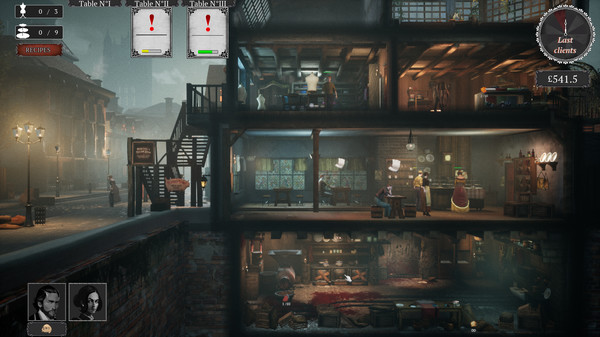
Ravenous Devils offers a macabre twist on the management sim genre, blending dark humor with genuinely unsettling themes. This horror cooking sim puts players in charge of a Victorian-era tailor shop and pie emporium with a gruesome secret, creating a unique experience that’s more spooky than cozy.

Progression

The progression system in Ravenous Devils revolves around expanding and improving your nefarious business operations. Players gradually unlock new recipes, equipment, and business opportunities as they navigate the dark underbelly of Victorian London. While the progression is satisfying, it leans more heavily on the spooky side, with each advancement deepening the player’s involvement in the game’s grim activities. The balance between relaxing management gameplay and the unsettling nature of the business creates a progression that’s engaging but may be too dark for those seeking a truly cozy experience.

Story Depth

Ravenous Devils weaves a tale that’s as disturbing as it is intriguing. The narrative explores themes of desperation, morality, and the lengths people will go to for success. As players uncover more about the protagonists’ past and the dark world they inhabit, they’re treated to a story that’s rich in dark humor and gothic horror elements. The game’s ability to maintain a sense of grim fascination while dealing with truly horrific themes is noteworthy, creating a narrative that’s compelling despite (or perhaps because of) its macabre nature.

Atmosphere

Where Ravenous Devils struggles to fit the cozy-spooky mold is in its atmosphere. The game leans heavily into its spooky and macabre elements, creating an environment that’s more unsettling than comforting. The Victorian setting is well-realized, with a gloomy, oppressive ambiance that perfectly suits the game’s themes. However, the constant presence of gore and the nature of the protagonists’ business means that moments of coziness are few and far between. The game’s atmosphere is undeniably effective in creating a sense of dread and dark humor, but it may be too intense for players seeking a more balanced cozy-spooky experience.

Character Development

Character development in Ravenous Devils focuses primarily on the main protagonists, Percival and Hildred. While their backstory and motivations are gradually revealed throughout the game, the nature of their actions limits the depth of emotional connection players can form with them. The supporting characters and customers serve more as props for the protagonists’ schemes rather than fully developed individuals. This approach fits the game’s dark tone but may leave players wanting more in terms of character growth and relationships.

Graphics

Visually, Ravenous Devils captures the grim atmosphere of Victorian London with impressive detail. The pixel art style is used effectively to create a world that’s both charming in its nostalgic aesthetic and disturbing in its content. The character designs, particularly of Percival and Hildred, are memorable and fit well within the game’s gothic horror theme. The animations, especially those depicting the more gruesome aspects of the business, are disturbingly well-executed, contributing significantly to the game’s unsettling atmosphere. While the graphics serve the game’s themes well, they may be too graphic for some players, pushing the boundaries of what can be considered “cozy” in the cozy-spooky genre.

Ravenous Devils offers a unique and darkly humorous take on the management sim genre. Its blend of time management gameplay with macabre themes creates an experience that’s more spooky than cozy. While it may not appeal to all fans of cozy games, those with a taste for dark humor and gothic horror will find a compelling, if unsettling, experience in this grisly tale of entrepreneurship gone wrong.


In conclusion, the cozy-spooky RPGs highlighted in this blog showcase the delightful blend of warmth and eerie themes that can create a captivating gaming experience. From the emotional depth of Fran Bow to the charming yet dark world of Cult of the Lamb, each title offers unique narratives and atmospheres that invite players to explore the balance between comfort and creepiness. Whether you’re seeking heartfelt stories or whimsical adventures with a twist, these games provide a perfect escape into worlds where coziness and spookiness coexist beautifully.

/meta-title: Best Cozy Games On Steam (Spooky RPGs)

/meta-description: Discover some of the best cozy yet spooky games available on Steam Deck and PC in 2024 ranked based on on metrics such as progression, story depth and atmosphere.